DSS: Redefining Biotechnology & Life Science in India

























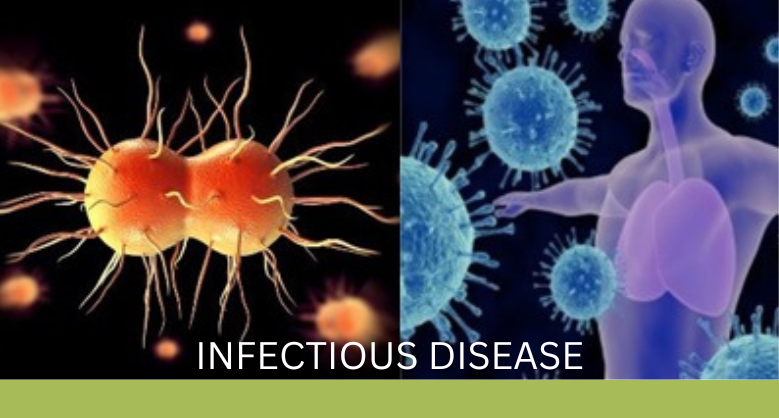
INFECTIOUS DISEASE
You may hear elders saying stay away from people who have colds, cough this is because of Infectious or diseases. It is a disease caused by pathogens like bacteria, viruses, fungi or parasites. All transmitted disease is not only from persons some are from insects or other animals and also from contaminated foods and water. This pathogen lives in our body and they are normally harmless but sometimes may cause disease. SIGN AND SYMPTOMS These vary depending upon the organism. Mild symptoms can be cured at home while some need hospitalization. General sign symptoms include-
- Fever
- Diarrhoea
- Fatigue
- Muscle aches
- Coughing
Types of infectious diseases and their common disease-
1. Bacterial infection- Single cell organisms present in our surroundings and some inside our body.
- Strep throat.
- Salmonella.
- Tuberculosis.
- Whooping cough (pertussis).
- Chlamydia, gonorrhoea and other sexually transmitted diseases (STDs).
- Urinary tract infections (UTIs).
- E. coli.
2. Viral infections-Noncellular organisms which replicate inside the host cell. It is very small as compared to bacterial cell.
- Common cold.
- The flu (influenza).
- COVID-19.
- Stomach flu (gastroenteritis).
- Hepatitis.
- Respiratory syncytial virus (RSV).
3. Fungal infections- Many skin diseases, such as ringworm and athlete's foot, are caused by fungi. Other types of fungi also infect our lungs or nervous system.
- Ringworm (like athlete’s foot).
- Fungal nail infections.
- Vaginal candidiasis (vaginal yeast infection).
- Thrush.
4. Parasitic infection- Parasite use the body of another organism to live and reproduce such an example is seen in malaria which is caused by a parasite that is transmitted by a mosquito bite. Other parasites are worms, protozoa etc.
- Giardiasis.
- Toxoplasmosis.
- Hookworms.
- Pinworms.
People whose immune system is weak, pregnant women, young children, unvaccinated people, health workers etc are prone towards to getting an infectious disease. How are infectious diseases diagnosed? Earlier diagnosis of patient’s disease using one or more lab tests helps patients to monitor infections disease. Fully integrated and automated molecular diagnostics analyser like RealTime System uses innovative technology to give the next level of flexibility and performance. RealTime System combines excellent automation with proven execution to diagnose infectious disease as early as possible. They use PCR assay to detect Cytomegalovirus (CMV) DNA, Chlamydia trachomatis, the genomic DNA of Neisseria gonorrhoeae, Hepatitis B Virus (HBV) DNA, hepatitis C viral ribonucleic acid (HCV RNA) in human serum and plasma, HIV-1 infected individuals, Mycobacterium tuberculosis (MTB), Rifampicin (RIF) etc which can be diagnosed easily so that we can cure as soon as possible. How are infectious diseases treated? Treatment depends on the types of disease.
- Bacterial infections can be treated with antibiotics. Vaccines against TB help to immunize our bodies to fight against the disease.
- Viral infections are less curable due to mutation in RNA. Some viral infections like the common cold, the flu can be treated with medicine but some need special treatment like HIV.
- Fungal infections can be treated with antifungal medicines. It can be taken orally or on your skin to cure them.
- Parasites can be treated with antiparasitic medicines.
How can we prevent disease?
- Clean your hands regularly with soap and water.
- Cover your nose when someone sneezes or coughs.
- Don’t drink and eat contaminated water and food.
- To reduce the risk of a mosquito bite, cover your body or use mosquito repellent cream.
- Try to avoid contact with sick people around you or sharing items with them.
- Properly wash your food before consuming it.
- Don’t eat uncooked food.
There is various precaution one can take to prevent infectious disease. And if you are diagnosed with the disease not to take medicine of your own, first consult your doctor and then take the prescribed medicine. Taking a lot of antibiotics by your own may cause antibiotic resistance in near future.
Faq’s :-
1. What are infectious diseases?
Infectious diseases are illnesses caused by microorganisms such as bacteria, viruses, fungi, or parasites.
2. How do infectious diseases spread?
They can spread through direct contact, contaminated food or water, airborne transmission, or insect bites.
3. What are common examples of infectious diseases?
Examples include influenza, tuberculosis, COVID-19, malaria, and dengue.
4. How are infectious diseases diagnosed?
Laboratories use molecular testing, blood tests, and microbiological analysis to detect infectious agents.
5. How can infectious diseases be prevented?
Prevention methods include vaccination, hygiene practices, safe food handling, and public health measures.
Latest Articles
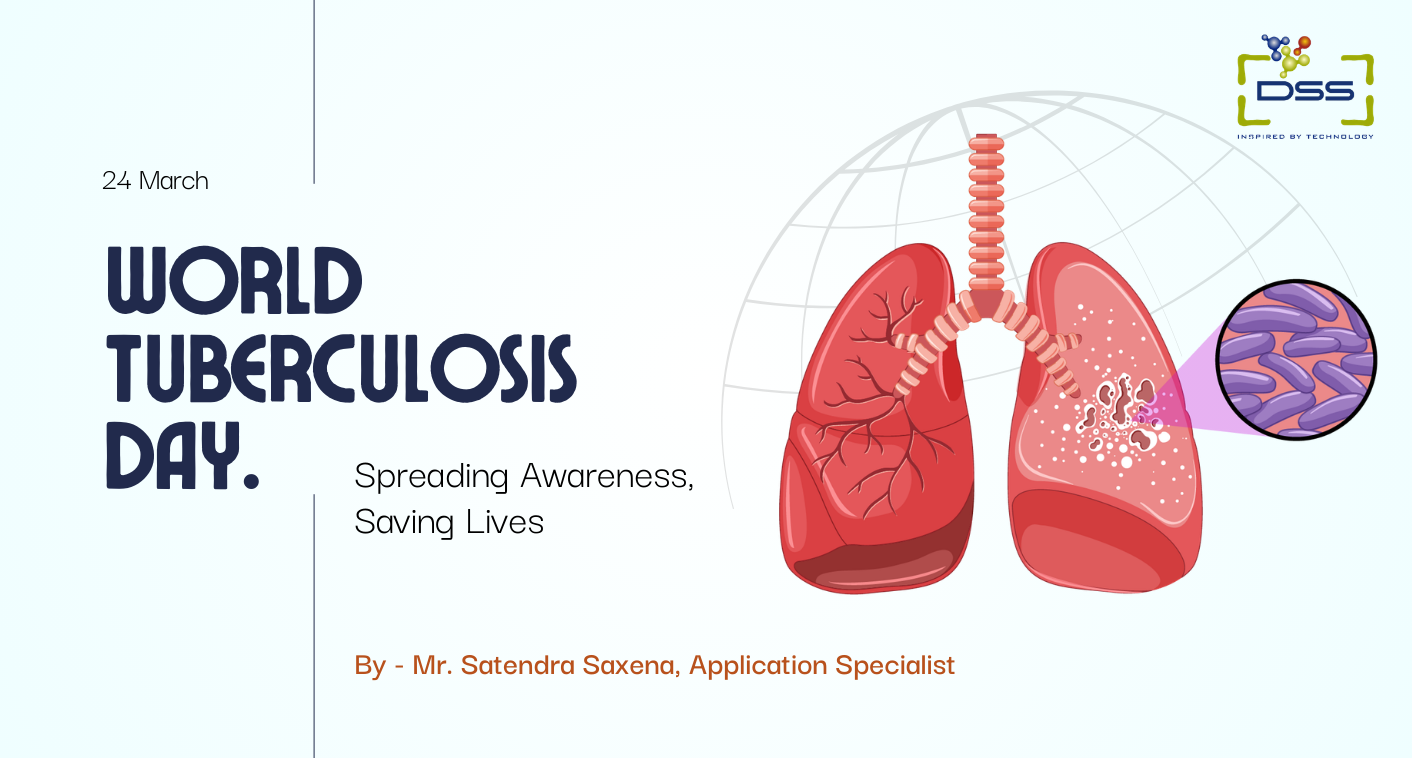
World Tuberculosis Day: “Spreading Awareness, Saving Lives”
BY Mr. Satendra Saxena, Application Specialist, DSS Imagetech 23rd March 2026
Every time on March 24, the world pauses to observe World Tuberculosis (TB) Day. It’s a day of mixed feelings. We celebrate the scientific improvements that have made this complaint...
Read More
International Women’s Day – Prioritising Women’s Health for a Healthier...
BY Ms. Sohini Chatterjee, Application Specialist, DSS Imagetech 7th March 2026
In 2013, one public disclosure transformed the global conversation around women’s health. When Angelina Jolie revealed in a New York Times op-ed that she carried a BRCA1 mutation and had...
Read More
How BX51WI Microscopes Support High-Resolution Neural Imaging
BY DSS Imagetech Pvt Ltd 24th February 2026
Picture this scenario. It’s 6:00 PM on a Friday. You have spent the last six hours harvesting tissue. You perfused the mouse perfectly, the liver cleared instantly, and the brain...
Read More