DSS: Redefining Biotechnology & Life Science in India
























Home > Products & Services > Instruments
Instruments
Pathology is the study and diagnosis of disease through examination of organs, tissues and bodily fluids. Evolution of pathology has been through HE studies to IHC and now interlinking to genomics. We, at DSS provide a complete solution for Imaging and Analysis. Our products range from basic digitalization and imaging analysis systems to fully automatic operation.
The need for digitization has emerged from the aspect of classroom education and archiving of huge data generated. The computer aided systems have become a need for reproducibility and standardization of results. With DSS we have solutions being offered from global giants such as Precipoint, Hamamatsu, Olympus, ASI and more.
Biosafety
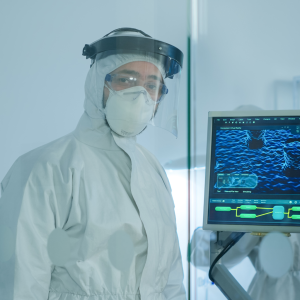
Biological safety cabinets (BSCs) are containment devices designed to guard personnel, product and the environment from exposure to biohazards and…
Cameras
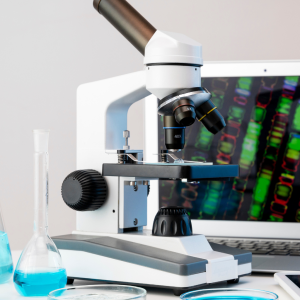
DSS offers a range of scientific digital cameras along with the microscopes to fulfill the needs of all users from…
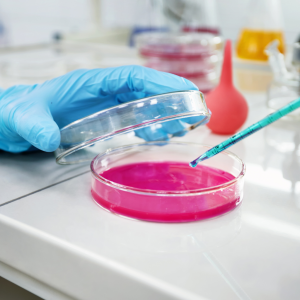
Cell Culture monitoring
Cell culture monitoring is a process of observing and measuring the growth and behavior of cells in a laboratory setting.…
Cytogenetics Systems
Cytogenetics is a branch of hereditary qualities but at the same time is a part of cell biology/cytology (a development…
Digital Slide Scanners
The Digital Slide Scanners convert glass slides into high-resolution digital information by high-speed scanning. It works by simply setting the…

Electrophysiology Systems
Understanding the electrical activity of cells, tissues, and neural circuits is vital to uncovering the complex mechanisms that govern biological…
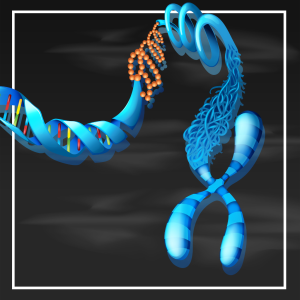
Fluorescence In Situ Hybridization (FISH)
Fluorescence in situ hybridization (FISH) is a lab technique for distinguishing and finding a particular DNA succession on a chromosome.…
H&E
A combination of two hematoxylin stains- hematoxylin and eosin make H&E. The hematoxylin stains cell nuclei blue, and eosin stains…

Immuno Histo Chemistry (IHC)
Immunohistochemistry (IHC) combines histological, immunological, and biochemical techniques for the identification of specific tissue components by means of a specific…
Microfluidics
Microfluidics is the science to understand the behavior of fluids through micro-channels, and the technology of manufacturing microminiaturized devices containing…

Microscopes
A microscope is an instrument that magnifies objects, too small to be seen with an unaided eye, producing larger images…
Molecular Pathology & Diagnostics
Molecular pathology is an emerging discipline within pathology that is centred around the subject and study of disease through the…
Real Time PCR
We bring innovation to the forefront of molecular diagnostics through cutting-edge Real-Time PCR solutions that redefine speed, accuracy, and sensitivity…
Laboratory Instruments for Research and Diagnostic Applications
A laboratory instrument is any device built to prepare, contain, observe, monitor, image, measure or analyse a biological sample as part of a laboratory workflow. That's a broad definition on purpose.
The instruments a cytogenetics lab needs look nothing like what an electrophysiology lab needs, even though both sit under the same umbrella term. No single platform covers every one of these roles.
A biosafety cabinet protects the operator and sample during handling. A microscope or scanner captures an image. A Real Time PCR system measures molecular targets. A cell-culture monitoring system tracks growth over time.
Choosing the right instrument means starting with the specific role it needs to play in your workflow, not the category label.
What Types of Laboratory Instruments Does DSS Imagetech Offer?
Biosafety and Cell Culture Instruments
Biosafety equipment, including biological safety cabinets, is built to protect personnel, product and the surrounding environment during handling of biological material. Cell-culture monitoring instruments support a related but distinct task: observing and measuring how cells grow and behave over time in culture, rather than containing them during handling.
Both categories sit at the front end of many laboratory workflows, before a sample reaches an imaging or analytical instrument.
Microscopy, Cameras and Digital Imaging Systems
Microscopes magnify specimens too small to see with the naked eye, producing an image for observation or documentation. Scientific cameras attach to microscopes to capture that image digitally.
Digital slide scanners take this further, converting whole glass slides into high-resolution digital files through automated scanning — useful for archiving, remote review and reproducible documentation.
These three categories generally work together rather than as standalone purchases. A microscope's optics, a compatible camera, and slide-scanning capability each cover a different stage of the same imaging workflow.
Readers wanting more detail on microscope types and selection can visit the dedicated laboratory microscopes page.
Cytogenetics, FISH, Histology and IHC Systems
Cytogenetics systems support the study of chromosomes as part of genetic research and diagnostic workflows. FISH instruments support fluorescence in situ hybridization, a technique used to locate a specific DNA sequence on a chromosome.
H&E systems relate to haematoxylin and eosin staining, a standard histology technique for visualising cell nuclei and other tissue structures. IHC instruments support immunohistochemistry, which combines histological, immunological and biochemical methods to identify specific components within tissue.
All four categories work with prepared slides and samples as part of a broader laboratory or pathology workflow. None of them performs a diagnosis on its own — the instrument produces information that a trained professional interprets as part of an established procedure.
Molecular Pathology and Real Time PCR Instruments
Molecular pathology and diagnostic instruments support the study of disease at the molecular and genetic level, an area that has grown alongside more traditional histology-based pathology. Real Time PCR instruments support molecular workflows built around amplifying and detecting specific genetic sequences.
Sensitivity, accuracy and detection performance for any specific PCR system depend on the instrument, reagents and protocol used together. This should be confirmed against the manufacturer's documentation rather than assumed from the category description.
Electrophysiology and Microfluidics Instruments
Electrophysiology systems support the study of electrical activity in cells, tissues and neural circuits — a specialised research area with its own configuration requirements around stability and micromanipulation. Microfluidics instruments relate to the science of fluid behaviour in micro-channels and the manufacture of correspondingly small-scale devices.
Both are narrower, more specialised categories than general laboratory instrumentation. Readers working in either area are better served by the dedicated electrophysiology systems and microfluidics pages than by a general overview here.
Research, Scientific and Chemistry Laboratory Instruments
Scientific laboratory instruments cover a wide range of equipment used across research, and the specific combination a laboratory needs depends heavily on its technique. A cytogenetics laboratory typically needs imaging and cytogenetics-specific systems. A molecular research laboratory typically needs PCR and related molecular instruments. A cell-biology facility typically needs microscopy and cell-culture monitoring equipment.
Chemistry laboratory instruments, more broadly, can include a wide range of analytical, sample-processing and imaging equipment depending on the technique involved. DSS Imagetech's catalogue covers specific categories relevant to biotechnology and life-science workflows rather than the full breadth of general chemistry equipment or glassware — worth checking whether a particular chemistry application is covered before assuming it is.
Where Are Laboratory Instruments Commonly Used?
Research institutions and universities use laboratory instruments for study design, data generation and teaching, often prioritising ease of use and durability. Hospitals, diagnostic laboratories and pathology laboratories use instruments such as histology, IHC, cytogenetics and molecular diagnostic systems as part of established clinical procedures — the specific role any instrument plays there depends entirely on its documented intended use.
Biotechnology companies typically draw on a mix of imaging, molecular and cell-culture instruments depending on their research stage. Cell-culture facilities, microscopy and imaging facilities, cytogenetics laboratories, molecular research laboratories, and electrophysiology or neuroscience laboratories each tend to concentrate on the instrument categories that match their specific technique, rather than needing the full catalogue.
How Should a Laboratory Select Equipment?
Selecting laboratory equipment starts with the application and works outward from there. Begin with the intended research or clinical application, the sample type involved, and the specific technique or methodology the workflow requires.
From there, check the instrument's documented intended use — a system built for research use isn't automatically suited to a clinical diagnostic setting. Check the throughput your laboratory actually needs too, since a system built for occasional use may not suit a high-volume workflow.
Instrument-and-consumable compatibility, and camera-and-software compatibility where imaging is involved, should be confirmed rather than assumed. Automation requirements, available laboratory space, and biosafety or environmental requirements are practical constraints worth mapping out early.
Operator training, installation and technical-support requirements, and maintenance, calibration and warranty terms all vary by instrument and should be discussed directly with the supplier before purchase. Finally, check applicable quality and regulatory requirements relevant to your laboratory and jurisdiction, and weigh the total budget against the complete workflow rather than the instrument price alone.
Comparing Common Laboratory Instrument Categories
| Instrument category | General function | Common application | Important selection consideration |
|---|---|---|---|
| Biosafety equipment | Contains and protects during sample handling | Handling infectious or hazardous biological material | Cabinet class and containment level must match the biosafety requirement |
| Cell-culture monitoring | Observes and measures cell growth and behaviour | Cell biology, live-cell research | Compatibility with existing culture vessels and imaging setup |
| Microscopes and cameras | Magnify and capture images of specimens | Research, pathology, teaching, life-science observation | Resolution, contrast method and camera compatibility should match the sample |
| Digital slide scanners | Converts glass slides into high-resolution digital files | Archiving, remote review, reproducible documentation | Slide format and scanning throughput needs vary by lab |
| Cytogenetics and FISH systems | Support chromosome and DNA-sequence analysis | Genetic research and diagnostic workflows | Requires compatible reagents and trained interpretation |
| H&E and IHC systems | Support tissue staining and marker identification | Histology and pathology workflows | Staining protocol and reagent compatibility need confirmation |
| Molecular diagnostics and Real Time PCR | Amplify and detect specific genetic sequences | Molecular pathology, infectious disease and genetic testing | Sensitivity and accuracy depend on instrument, reagents and protocol together |
| Electrophysiology systems | Record electrical activity in cells or tissue | Neuroscience and electrophysiology research | Needs mechanical stability and micromanipulator compatibility |
| Microfluidics instruments | Manipulate fluids at micro-channel scale | Specialised research applications | Device and channel design must match the intended application |
Laboratory Equipment for Research and Diagnostic Workflows
Research instruments and clinical diagnostic instruments are not always interchangeable, even within the same broad category. A research-use instrument may have a documented intended use limited to investigational work, different validation expectations, and different standard operating procedures compared with an instrument documented for clinical diagnostic use.
Laboratory equipment intended for a research setting shouldn't automatically be assumed suitable for clinical diagnostic instruments' regulatory or validation requirements — and the reverse is also true. Always check the specific documentation for the instrument and application in question rather than assuming based on the general category.
Installation, Training and Technical Support Considerations
Before purchasing, it's worth confirming site preparation needs, space and environmental requirements, electrical or utility requirements, installation scope, initial configuration, operator training, software setup, compatible accessories, calibration requirements, preventive maintenance, the troubleshooting process, warranty terms, and service availability for your specific location.
Installation, training, maintenance, calibration, warranty and technical-support terms vary by instrument and location and should be confirmed directly with DSS Imagetech before purchase.
Why Explore Laboratory Instruments From DSS Imagetech?
Working through instrument categories on a single page makes it easier to see how a microscope, its camera, compatible software, and relevant accessories fit together, rather than researching each piece separately.
DSS Imagetech's instrument portfolio spans biosafety, imaging, cytogenetics, molecular pathology, electrophysiology and microfluidics, drawing on brands including Olympus (Evident), Hamamatsu Photonics and Applied Spectral Imaging, among others confirmed in the DSS Imagetech brand directory.
The practical value for most laboratories is being able to raise a specific application or workflow question and get pointed toward the categories genuinely relevant to it.
Discuss Your Instrument Requirements With DSS Imagetech
If you're evaluating laboratory instruments, it helps to share your intended application, sample type, required technique, current laboratory workflow, existing equipment, required throughput, imaging or software needs, automation requirements, laboratory location, and your expectations around installation and support.
With this information, the DSS Imagetech team can point you toward the instrument categories and configurations worth evaluating. Explore a relevant category above, or contact us to discuss your specific requirements.
Frequently Asked Questions
Find answers to common questions about instruments, their applications, and selection.
What types of laboratory instruments does DSS Imagetech offer?
DSS Imagetech's instrument portfolio covers biosafety equipment, cell-culture monitoring, microscopes and cameras, digital slide scanners, cytogenetics and FISH systems, H&E and IHC systems, molecular pathology and Real Time PCR instruments, electrophysiology systems, and microfluidics instruments. Which category is relevant depends on your laboratory's specific technique and workflow.
How do I choose suitable laboratory equipment?
Start with your intended application, sample type and required technique, then check the instrument's documented intended use and confirm compatibility with your existing consumables, software and accessories. Laboratory space, operator training, installation and support needs, and applicable quality or regulatory requirements should also be factored in before deciding.
What is the difference between research instruments and clinical diagnostic instruments?
A research instrument's documented intended use is typically limited to investigational work, while a clinical diagnostic instrument carries different validation expectations and standard operating procedures. The two aren't automatically interchangeable, so it's important to check an instrument's specific documented intended use rather than assuming based on its general category.
Can laboratory instruments work with any software or consumable?
No. Compatibility between an instrument and specific software, cameras, reagents or consumables depends on the exact models involved and should be confirmed with DSS Imagetech before purchase rather than assumed from the category listing.
Does DSS Imagetech provide installation and technical support?
Availability, scope and terms for installation, training, calibration, maintenance and technical support vary by instrument and location. These should be confirmed directly with the DSS Imagetech team for the specific product you're considering.
What information should I share when requesting an instrument recommendation?
Share your intended application, sample type, required technique, current equipment, throughput needs, software or imaging requirements, automation preferences, and laboratory location. This lets the DSS Imagetech team point you toward configurations genuinely relevant to your workflow.
Testimonials & Reviews

Dr. (Prof.), Nitesh Mohan
Professor & Head, Department of Pathology, RMCH Bareilly
DSS's expertise, dedication, and professionalism were outstanding in making the Karyotyping & FISH workshop a great success. Their knowledge and valuable insights empowered all the participants with practical skills, receiving highly positive feedback from both students as well as faculty members.

Dr. Chhaya Chande, Professor & HOD, Microbiology
GGMCJJ Hospitals, Mumbai
“Ms. Megha Dhumal (Assistant Manager- Application) has done a satisfactory demonstration of the running of the Abbott Sample preparation machine model m2000sp and the Abbott RT-PCR machine model m2000rt. We appreciate the effort made by the DSS team under these difficult conditions to help our lab to carry out the imperative Covid-19 tests.”
Dr Sunil K Arora, Professor, Deptt of Immunopathology
PGIMER, Chandigarh
“We are using Confocal Microscope and one Fluorescence Microscope. Both are working fine. The after sales services by DSS have been excellent for functioning & upkeep of the microscopes. The applications support by experts from DSS is very useful. Keep it up!”
Dr Pramod Kumar Bajaj
MD, Spermprocessor Pvt Ltd
“Really excited to see the DSS Pathology solutions exhibition booth at APCON 2019 along with Magnus. We think all the upcoming technology had been displayed along with your efforts to make it Indigenous (Made in India) is highly appreciated. Wish you all the best. Keep it up!”
Dr. Sreejesh S, Associate Professor, Dept of Hematology
PGIMER, Chandigarh
“My experience with DSS so far has been very good till now. We are getting good support in both purchase as well as in troubleshooting. Very good experience with Mr Arun, Mr Manoj, Mr Mahesh and all others from the DSS team.”

Dr Sudha S Murthy, Department of Pathology and Laboratory Medicine
BIACH & RI, Hyderabad
“I am happy with DSS and associated with 19 years and use Dako antibody. Happy with Supply but need improvement.”
Dr S Radhika MD, PhD
Professor, Deptt. Of Cytology & Gynaec Pathology, PGIMER, Chandigarh
“PGI Cytology Dept. has had a long association with DSS- Olympus Microscopy Division. They have provided excellent services- after sales service. The product is also of very good quality. We have had no problems with their products and services are of very good quality.”

Dr Nuzhat Husain
RMLIMS, Lucknow
“Have been using Dako Reagents and Dako antibodies for a while. Services and products have been good and timely.”
Dr Minu Singh
Assistant Professor, PGIMER, Chandigarh
“MRC Holland MLPA products provided by DSS are of good quality, have never faced any quality issues with their product or shipping condition. They provide prompt response upon any query.”

Mr. Krishnani Professor, SGPGI, Lucknow
“My experience with DSS so far has been excellent for the last 30 years- sales and service experience. Microscope products are very useful and sturdy with high precision.”