DSS: Redefining Biotechnology & Life Science in India

























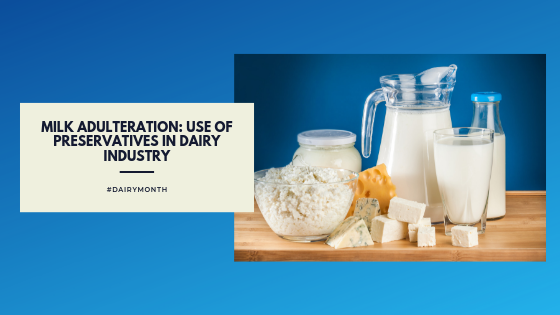
Use of Preservatives in Dairy Industry
Milk is a global food source as it is rich in nutrients. At present India is the largest producer of milk in the world with over 150 million tonnes of production and per capita availability of over 300 grams per day. The dairy industry has seen tremendous growth and as demand is increasing, it is expected to grow more in future too.
The basic ingredient for all the dairy products is milk. Raw milk has a very short shelf life. To overcome this, preservatives are added in milk derivative dairy products to increase the shelf life of the product. Preservative is a substance which when added in limits to food, is capable of inhibiting, retarding or arresting the process of fermentation, acidification or other decomposition of food.
Preservatives are broadly divided into 2 Classes;
- Class I includes common salt, sugar, spices, vinegar, honey etc. The addition of these preservatives is not restricted unless otherwise provided in the regulation appendix of every product by the regulation authorities.
- Class II includes benzoic acid, sorbic acid, nisin, sodium diacetate etc. the addition of these preservatives is restricted and the addition of more than one Class II preservative is prohibited.
The most commonly used preservatives in dairy products such as cheese and yogurt are benzoate, sorbate, and natamycin. These compounds are generally used to inhibit various types of microorganisms. Sodium benzoate the first chemical preservative approved in food products by the FDA. The carboxyl group and conjugated double bonds in the sorbate structure are reactive and have a strong effect on the antimicrobial activity as well as the quality and the safety of the product. Natamycin plays an important role in surface treatment of food like cheese. The mold grows on the surface of cheese which is the major factor limiting the shelf life. Natamycin is active against nearly all yeasts and molds.
Milk adulteration with dangerous preservatives is a huge challenge for the dairy industry. Driven by greed and lack of responsibility towards society few dealers add chemicals such as formaldehyde, hydrogen peroxide, boric acid, and antibiotics into the milk. The dairy industry has strict Quality control parameters to overcome this issue. The Chemical and molecular biology-based testing is done to make sure the product reaches the consumer is safe and of high quality.
Faq’s :-
1. Why are preservatives used in the dairy industry?
Preservatives are used in dairy products to prevent microbial growth, extend shelf life, and maintain product safety during storage and transportation.
2. What are the common preservatives used in dairy products?
Common preservatives used in the dairy industry include potassium sorbate, sodium benzoate, and natural preservatives that help maintain product freshness.
3. Are preservatives in dairy products safe for consumption?
Yes, preservatives used in regulated amounts are considered safe and are approved by food safety authorities to ensure consumer protection.
4. How do preservatives prevent spoilage in dairy products?
Preservatives inhibit the growth of bacteria, yeast, and molds that can cause dairy products to spoil.
5. What are natural alternatives to chemical preservatives in dairy?
Natural alternatives include salt, fermentation, refrigeration, and certain plant-based antimicrobial compounds.
6. How do laboratories test preservatives in dairy products?
Laboratories use analytical methods and microbiological testing to detect and measure preservatives in dairy samples.
Latest Articles
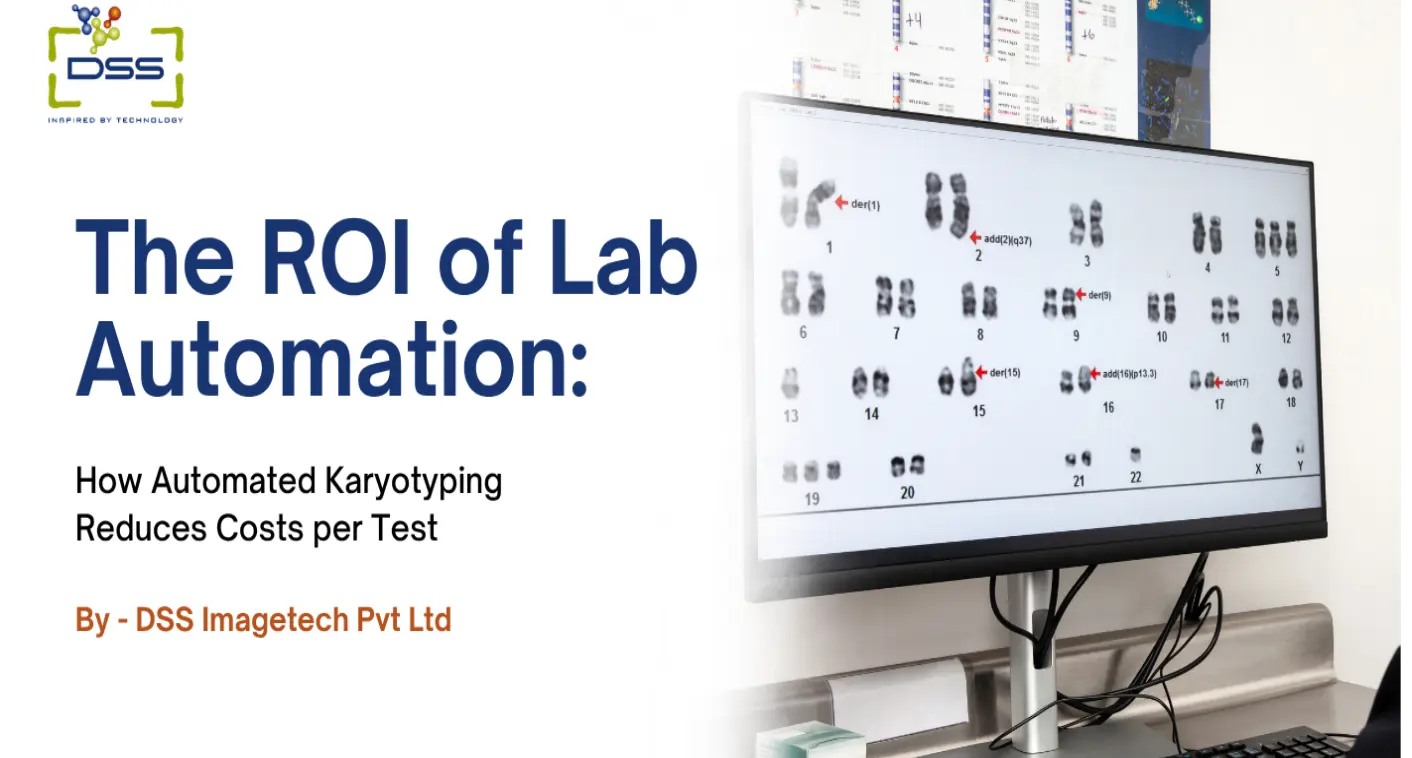
The ROI of Lab Automation: How Automated Karyotyping Reduces Costs...
BY DSS Imagetech 13th July 2026
If you walk into almost any cytogenetics lab across India right now, you’ll probably hear the exact same complaint. Lab directors are staring at their monthly numbers, calculating just how...
Read More
Journey from Manual Testing to Automation powered by AI &...
BY Mr. Mahesh Semwal, Deputy General Manager (DGM) 29th June 2026
The diagnostics industry has witnessed a tremendous transformation over the last 25–30 years. Those who have been part of this journey have seen how diagnostics laboratories have moved from intensive...
Read More
LUNG CANCER CARE: THE POWER OF PRECISION DIAGNOSTICS & GENOMICS
BY Mr. Jaywant Chauhan, Application & Product Specialist, DSS Imagetech 19th May 2026
Lung cancer today is among the most common & serious types of cancer in the world. It happens when abnormal cells in the lungs begin to grow in a way...
Read More