DSS: Redefining Biotechnology & Life Science in India




























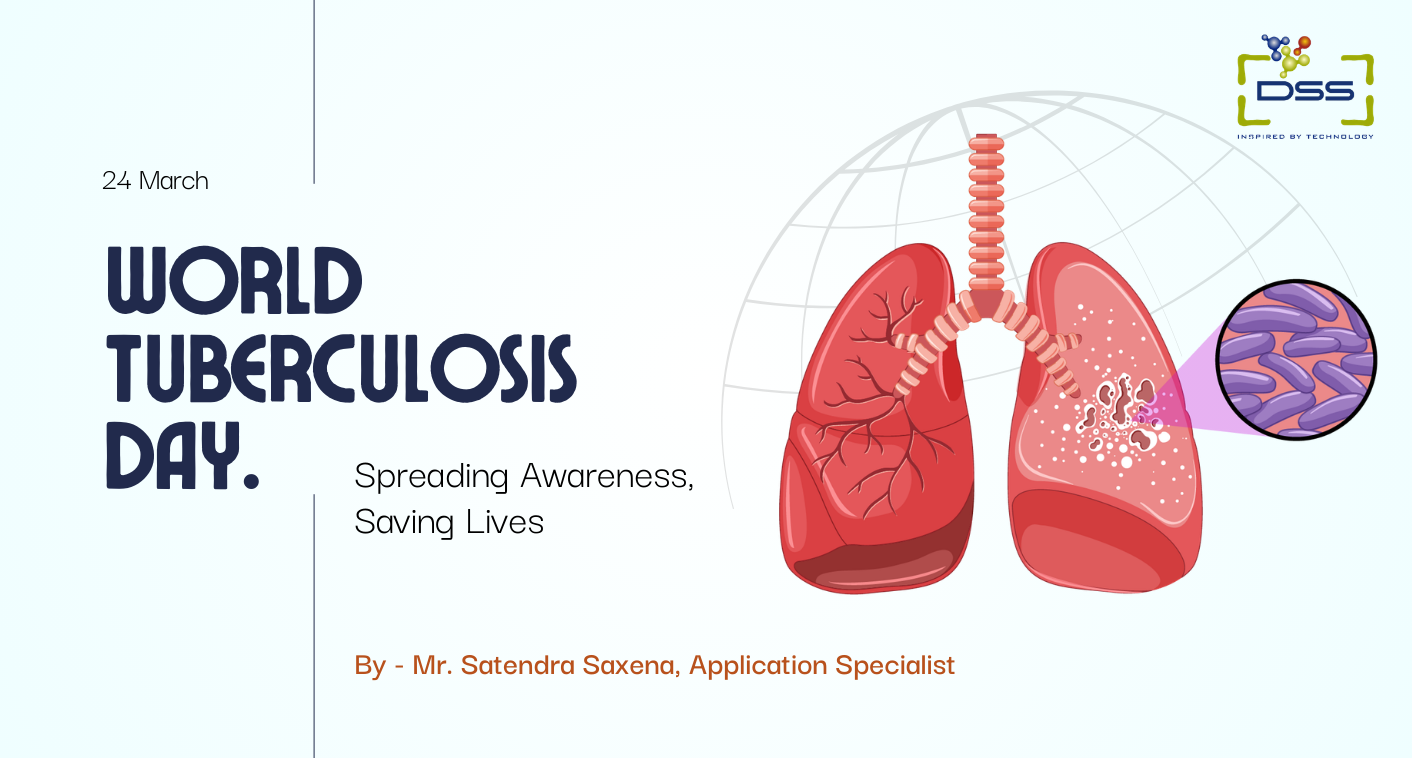
World Tuberculosis Day: “Spreading Awareness, Saving Lives”
Every time on March 24, the world pauses to observe World Tuberculosis (TB) Day. It’s a day of mixed feelings. We celebrate the scientific improvements that have made this complaint curable, but we also face the sobering reality that TB remains one of the world’s deadliest contagious killers. (Source: WHO)
Despite being preventable and curable, TB continues to affect millions of people encyclopedically. This day serves as a memorial that harmonious sweats, mindfulness, and early treatment are essential to exclude the complaint and cover communities.
Tuberculosis is a contagious bacterial infection that primarily affects the lungs (Pulmonary TB), but it can also affect other corridors of the body similar as the brain, feathers, and chine (Extrapulmonary TB). The complaint spreads through the air when a person with active TB coughs, sneezes, or speaks. People living or working in close contact with an infected existent are at an advanced threat of transmission.
Indeed though TB is preventable and curable, it remains one of the deadliest contagious conditions in the world. Millions of people still suffer from TB each time, especially in developing countries. One of the major challenges is medicine-resistant TB, which occurs when cases do n’t complete their full course of treatment.
The good news is that TB can be treated with proper drugs taken regularly for six to nine months. Early opinion, mindfulness, and strict adherence to treatment are the keys to barring this complaint.
India’s plan to exclude TB by 2025 is one of the world’s most ambitious health operations. Under the National Tuberculosis Elimination Programme (NTEP), India has strengthened its TB response with advanced diagnostics, innovative programs, private sector hookups, and a case-first approach.
Crucial motorists include record-high case reporting, better diagnostics, fiscal support for cases, and strong multi-sector collaboration. Still, with global TB backing declining and shifting precedents, continued commitment is vital to meet India’s 2025 target and the UN’s goal of ending TB by 2030. (Source: https://www.who.int/campaigns/world-tb-day)
Global TB Prevalence Rate (2015 – 2026)
This trend tracks the number of new TB cases per 100,000 people.
- The Trend: A steady decline until 2020, a “shaft” or table during 2021-2022 due to missed judgments, and a return to a downcast pitch in 2024-2025.
- Target: The WHO thing was a 50 reduction by 2025.
- Factual: We’ve achieved roughly a 12-15 reduction encyclopedically since 2015.
TB Mortality (Deaths) Trends
TB deaths are falling faster than the number of new cases, thanks to better treatment access.
- 2015 – 18 million deaths
- 2023 – 125 million deaths
- 2026 (Projected) – 11 million deaths
Treatment Success Rates
One of the most positive “graphs” in the TB world is the rising success rate for medicine-resistant strains.
The “Missing Cases” Gap
A critical graph used by health officers is the gap between Estimated Cases and Notified Cases (people actually diagnosed).
- In 2020, this gap widened significantly (millions of people were “missing” from the health system).
- By 2026, the gap has narrowed to its lowest point in history, meaning we’re eventually changing and treating nearly 80% of all people who fall ill.
Common symptoms of TB include
- Cough lasting further than two to three weeks
- Casket pain
- Coughing up blood
- Fever and chills
- Night sweats
- Unexplained weight loss
- Fatigue and weakness
Still, TB can become severe, If these symptoms are ignored. Still, with early discovery and proper medical care, it’s fully curable. (Source: Centers for Disease Control and Prevention – TB History)
In 2026, the global communication is clearer than ever:
“Yes! We Can End TB. Led by Countries! Powered by People!”
This is not just a hopeful watchword; it’s a roadmap for a world free of a complaint that has claimed billions of lives throughout mortal history.
It’s a common misconception that tuberculosis is a “complaint of history.” In reality, TB continues to affect millions. While it’s preventable and treatable, the gap between those who need care and those who admit it remains too wide.
(Source: https://www.who.int/teams/global-tuberculosis-programme/tb-reports)
The 2026 theme emphasizes that while high-position political commitment is essential, the real power lies with the people – survivors, healthcare workers, and lawyers who fight the smirch and ensure no bone is left before.
To end the epidemic, we must first understand it.
There are three core pillars of TB Awareness
- Transmission: TB is an airborne complaint. It doesn’t discriminate. It spreads when someone with active lung TB coughs, speaks, or sneezes.
- Symptoms: A patient cough lasting further than three weeks, unexplained weight loss, night sweats, and casket pain are the primary red flags.
- Cure: ultramodern drugs can cure TB. Still, the treatment is a marathon, not a sprint. Cases must complete their full 6-to-9-month course to help Multidrug-Resistant TB (MDR-TB) – ++ a much more dangerous interpretation of the bacteria.
Why is TB still then? The answer is not just natural; it’s social.
- Smirch: In numerous societies, a TB opinion is met with fear or insulation. This prevents people from seeking help until it’s too late.
- Access: Reaching remote populations and marginalized communities remains the final frontier in global health.
- Innovation: We’re presently seeing an instigative shift. From AI-powered X-ray webbing to shorter, more effective medicine rules, the tools to end TB are eventually in our hands.
Why World Tuberculosis Day Matters
World Tuberculosis Day isn’t just about flashing back a scientific discovery – it’s about addressing a global health exigency. According to the World Health Organization, tuberculosis remains one of the top contagious killers worldwide, causing millions of new cases and deaths each time.
TB disproportionately affects vulnerable populations, including people living in poverty, those with weakened vulnerable systems, and communities with limited access to healthcare. smirch and lack of mindfulness frequently delay opinion and treatment, allowing the complaint to spread further.
By observing this day, governments, healthcare associations, and communities unite to
- Promote mindfulness about TB symptoms and forestallment
- Encourage early testing and treatment
- Reduce smirch girding the complaint
- Strengthen global sweats to exclude TB
Prevention and Treatment
Prevention
- BCG vaccination helps cover children against severe forms of TB.
- Covering the mouth while coughing and icing proper ventilation reduces transmission.
- Early webbing for high-threat groups helps describe cases snappily.
Treatment
TB is treated with a course of antibiotics that generally lasts six months or longer. Completing the full treatment is pivotal. Stopping drugs beforehand can lead to medicine-resistant TB, which is more delicate and precious to treat.
With proper medical care, people with TB can completely recover and live healthy lives.
The Global Aim Ending TB
The global community has set ambitious targets to end the TB epidemic. Through improved diagnostics, stronger healthcare systems, exploration, and community mindfulness, progress is being made but challenges remain. Investment in healthcare, public education, and support systems is essential to reach vulnerable populations and ensure that no bone is left before.
How You Can Make a Difference
You don’t need to be a healthcare professional to contribute to the fight against TB.
Then’s how you can help
- Learn and partake accurate information about TB
- Help people with symptoms to take medical advice
- Support health juggernauts in your community
- Stand against smirch and demarcation
Small conduct can produce big change.
Current TB Situation in India
- India accounts for about 25 of all tuberculosis cases in the world, making it the country with the loftiest TB burden encyclopedically in 2024.
- In 2024 India recorded around 26.18 lakh diagnosed TB cases, out of an estimated 27 lakh total cases – showing advanced discovery but still a veritably high burden.
- The number of “missing” TB cases – people who have TB but were n’t diagnosed or reported has dramatically dropped compared to once before, from around 15 lakh in 2015 to lower than 1 lakh in 2024.
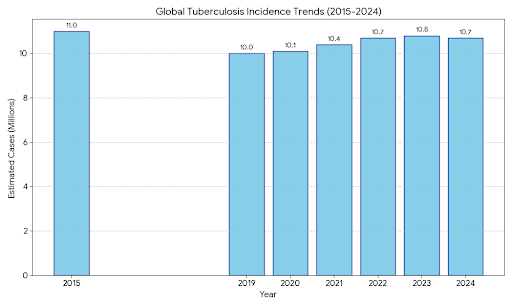
Progress Over Time
- The TB prevalence rate (new cases per population) in India has fallen by about 21 from 2015 to 2024 – from around 237 cases per lakh population to 187 per lakh.
- TB mortality has also dropped, dropping from roughly 28 deaths per lakh in 2015 to about 21 deaths per lakh in 2024.
- Treatment content has improved sprucely – from around 53 in 2015 to over 92 in 2024, meaning further people with TB are being diagnosed and treated.
Key Initiatives by the Government of India to Eliminate TB
To address this significant burden, the Government of India has enforced a range of focused strategies under its National Tuberculosis Elimination Programme (NTEP). These crucial enterprises under NTEP aim to strengthen opinion, treatment, and forestallment sweats, accelerating progress toward a TB-free India.
Global TB Statistics (2025-2026 Report)
According to the latest report by the WHO Global Tuberculosis Report, TB remains one of the world’s deadliest contagious killers. While we’re seeing a “turning of the drift,” the figures remain a stark memorial of the work ahead.
The Road to Elimination Key Strategies
To meet the WHO End TB Strategy targets of an 80% reduction in prevalence and a 90% reduction in deaths by 2030, the global community is fastening on three major pillars.
Advanced Diagnostics
The rollout of rapid-fire molecular tests (like GeneXpert and Truenat) is replacing aged, less accurate foam microscopy. New AI-enabled handheld X-ray biases are also allowing for webbing in remote and vulnerable communities.
Shorter Treatment rules
The preface of the BPaLM authority (Bedaquiline, Pretomanid, Linezolid, and Moxifloxacin) has been a game-changer for medicine-Resistant TB (DR-TB), reducing treatment duration from 18–24 months to just 6 months.
Other Important Medications
When the standard drugs can’t be used due to allergies or extreme resistance (XDR-TB), doctors turn to “Group B” or “Group C” drugs:
- Clofazimine: Originally a leprosy drug, now vital for resistant TB. It can sometimes cause a temporary darkening of the skin.
- Cycloserine: An oral drug used for resistant cases, though it requires monitoring for mental health side effects.
- Delamanid: Another newer drug often used for children or when Bedaquiline isn’t an option.
- Levofloxacin: A common alternative to Moxifloxacin in resistant cases.
Etiology (Cause of Tuberculosis)
- The Causative Agent: Mycobacterium tuberculosis
The primary cause of TB is the bacterium Mycobacterium tuberculosis (often called the “tubercle bacillus”). It belongs to the Mycobacterium tuberculosis complex, which includes other rare variants like M. bovis (from cattle) and M. africanum.
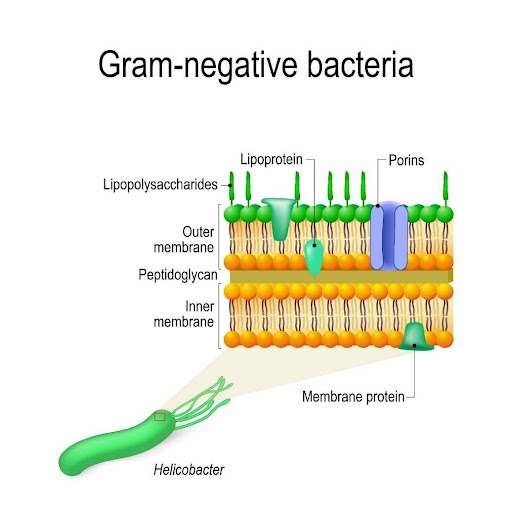
Key Characteristics of the Bacteria:
- Acid-Fastness: These bacteria have a unique, waxy cell wall rich in mycolic acids. This makes them resistant to standard Gram stains and many common antibiotics. They are identified using an “Acid-Fast” stain (like Ziehl-Neelsen).
- Aerobic Nature: They are “obligate aerobes,” meaning they require high levels of oxygen to survive. This is why they most commonly attack the upper lobes of the lungs, where oxygen concentration is highest.
- Slow Growth: While most bacteria multiply in minutes, M. tuberculosis divides every 15–20 hours. This slow growth is why TB symptoms take weeks to appear and why treatment takes months.
- Transmission (The Source)
TB is an airborne disease. It is not like it is spread by shaking hands or sharing food or touch surfaces. It is an airborne disease.
- Droplet Nuclei: When a person with active pulmonary TB coughs, sneezes, speaks, or sings, they expel tiny particles (1–5 microns in diameter). These particles can stay suspended in the air for several hours.
- Infection Dose: It only takes the inhalation of 1 to 10 bacteria to start a new infection in a susceptible host.
- Pathogenesis (How the Disease Develops)
Once the bacteria are inhaled, they follow a specific biological path:
- Phagocytosis: The bacteria reach the alveoli (air sacs) of the lungs, where immune cells called macrophages try to eat and destroy them.
- The Granuloma: In a healthy person, the immune system “walls off” the bacteria in a tiny, scar-like shell called a granuloma.
- Latent vs. Active:
o Latent TB Infection (LTBI): The bacteria are trapped inside the granuloma. Here, the person will not fall sick and also cannot spread the disease.
o Active TB Disease: If the immune system weakens, the granuloma breaks down, the bacteria multiply rapidly, and the person becomes symptomatic and infectious. - Host Risk Factors (Why Some Get Sick)
While anyone can breathe in the bacteria, the etiology of the disease (progression from infection to illness) often depends on the host’s health:
- Immune Suppression: HIV is the strongest risk factor for TB.
- Comorbidities: Diabetes, chronic kidney disease, and malnutrition significantly increase risk.
- Lifestyle: Smoking and heavy alcohol use damage lung defenses and weaken the immune response.
- Environmental: Overcrowding and poor ventilation allow the concentration of droplet nuclei to remain high, increasing the “dose” of exposure.
Role of DSS Imagetech in Tuberculosis diagnosis:
DSS Imagetech contributes significantly to tuberculosis (TB) diagnostics in India by equipping laboratories with reliable and scalable microscopy solutions suited to different testing volumes. Since microscopy continues to be a widely used method for TB detection, the availability of dependable instruments is essential for accurate screening.
For routine and low-throughput laboratories, DSS offers systems such as the CX33/CX43 and BX43, designed for consistent performance and ease of use. In higher-volume settings, including reference laboratories and medical colleges, advanced configurations like the BX43 and BX53 with fluorescence capabilities enable faster screening and improved detection efficiency. By providing a comprehensive range of microscopy solutions, DSS Imagetech supports timely diagnosis and helps strengthen TB control efforts across diverse healthcare environments.
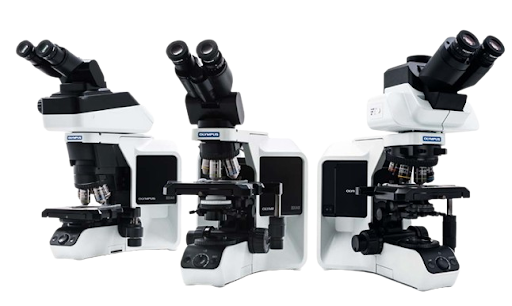
(Source: https://www.dssimage.com/product-category/products-services/instruments/microscopes/)
About the Writer

Mr. Satendra Saxena is an Application Specialist in Clinical Diagnostics (Molecular) with over 8 years of experience in the field. He works closely with leading laboratories across North India, supporting the implementation and optimization of molecular diagnostic workflows to ensure accurate and reliable results. His areas of expertise include DNA/RNA extraction, RT-PCR assays, MLPA, clonality testing, and NGS-based assays. Additionally, he possesses strong experience in technical training and troubleshooting.
FAQs :-
1. Why is World Tuberculosis Day observed on March 24?
World TB Day is observed on March 24 to commemorate the day in 1882 when
Robert Koch announced the discovery of Mycobacterium tuberculosis, the bacterium that causes tuberculosis. This discovery was a major milestone in medical history because it made it possible to develop diagnostic methods and effective treatments to fight the disease
2. How does Tuberculosis spread from person to person?
Tuberculosis is an airborne infectious disease.
When a person with active pulmonary TB (TB in the lungs) coughs, sneezes, speaks, or sings, tiny droplets containing TB bacteria are released into the air.
If another person inhales these droplets, they may become infected.
TB does NOT spread through:
- Shaking hands
- Sharing food
- Touching surfaces
- Casual contact
3. What is the difference between Latent TB and Active TB?
Latent TB (Inactive TB)
- TB bacteria are present in the body but inactive
- No symptoms
- Not contagious
- Can become active later if immunity becomes weak
Active TB
- Bacteria multiply and cause illness
- Symptoms include:
- Cough lasting more than 3 weeks
- Chest pain
- Fever
- Weight loss
- Night sweats
- Active pulmonary TB can spread to others
4. Is Tuberculosis curable?
Yes. Tuberculosis is preventable and curable.
Treatment usually involves a combination of anti-TB medicines taken for 6–9 months.
It is very important to:
- Take medicines regularly
- Complete the full course
- Follow medical advice
Stopping treatment early can lead to drug-resistant TB.
5. What are MDR-TB and XDR-TB?
These are drug-resistant forms of tuberculosis.
MDR-TB (Multidrug-Resistant TB)
TB that does not respond to at least two main first-line medicines.
XDR-TB (Extensively Drug-Resistant TB)
A rare but serious form that is resistant to:
- First-line medicines
- Several second-line medicines
These forms are harder and more expensive to treat.
Drug resistance usually develops when treatment is incomplete or irregular.
Latest Articles
World Tuberculosis Day: “Spreading Awareness, Saving Lives”
BY DSS Imagetech Pvt Ltd 23rd March 2026
Every time on March 24, the world pauses to observe World Tuberculosis (TB) Day. It’s a day of mixed feelings. We celebrate the scientific improvements that have made this complaint...
Read More
International Women’s Day – Prioritising Women’s Health for a Healthier...
BY Ms. Sohini Chatterjee, Application Specialist, DSS Imagetech 7th March 2026
In 2013, one public disclosure transformed the global conversation around women’s health. When Angelina Jolie revealed in a New York Times op-ed that she carried a BRCA1 mutation and had...
Read More
How BX51WI Microscopes Support High-Resolution Neural Imaging
BY DSS Imagetech Pvt Ltd 24th February 2026
Picture this scenario. It’s 6:00 PM on a Friday. You have spent the last six hours harvesting tissue. You perfused the mouse perfectly, the liver cleared instantly, and the brain...
Read More