DSS: Redefining Biotechnology & Life Science in India






























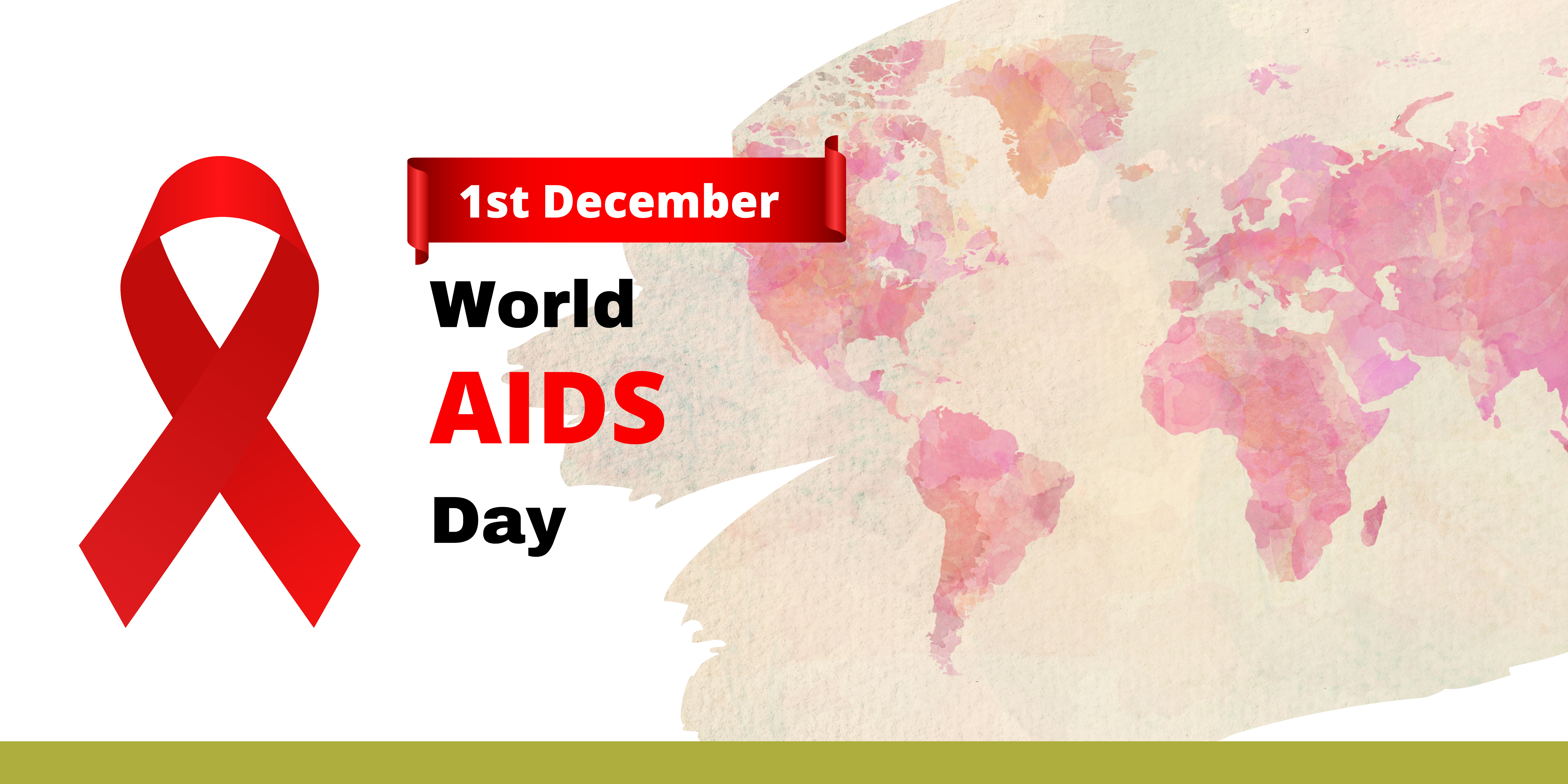
World Aids Day
HIV (human immunodeficiency virus) damages cells in the body that help individuals fight infections, making them more vulnerable to other infections and illnesses.
Qualitative HIV-1 Abbott RealTime assay aids clinicians in the diagnosis of HIV-1 infections in children and adults.
If not treated on time, HIV can progress to AIDS (acquired immunodeficiency syndrome).AIDS is a late stage of HIV infection in which the body’s immune system has been severely harmed by the virus.
Changes at cellular level, when HIV progressed to AIDS
- CD4 cell count decreases to less than 200 cells/mm3 of blood.
- Or regardless of their CD4 count, patients develop one or more opportunistic infections.
How do you get HIV and spread it?
Direct contact with specific body fluids from an HIV-positive person with a detectable viral load can allow HIV to enter the body. These are the fluids:
- Blood
- Semen and pre-seminal fluid
- Rectal fluids
- Vaginal fluids
- Breast milk
The HIV in these fluids must enter the bloodstream of an HIV-negative individual in order for transmission to occur.
How is it transmitted?
- Having unprotected sexual interaction with an HIV-positive person.
- Sharing needles and other injection devices with an HIV positive person.
- From mother to kid, pregnancy, delivery, or breastfeeding,.
- Taking food that has been pre-chewed by an HIV-positive person.
Does HIV Viral Load Affect HIV Infection or Transmission?
Yes. The amount of HIV in a person’s blood is referred to as viral load. Taking HIV medicine (also known as antiretroviral therapy or ART) as directed can lower the viral load to the point where a test couldn’t detect it (this is called an undetectable viral load).
HIV-positive people who follow their medication as directed and achieve and maintain an undetectable viral load have virtually minimal risk of transferring HIV to an HIV-negative partner through sex.
HIV Cannot Spread in These Ways
HIV is not transmitted by:
- Air or Water
- Insects such as mosquitoes, ticks and others.
- Saliva, tears, or sweat from an HIV-positive individual that is not mixed with their blood
- Shaking hands, embracing, sharing restrooms, sharing food, or drinking glasses.
- Other types of sexual action that do not involve body fluid exchange (for example, touching).
Symptoms of HIV
Stage 1: Acute HIV Infection
About two-thirds of HIV-infected patients develop a flu-like illness within two to four weeks of being infected.
Stage 2: Clinical Latency/Chronic HIV infection
The virus continues to multiply at this point, albeit at a very low level. In the second phase, people may not feel sick or have no symptoms.
People can stay at this stage for up to 15 years, but some people progress faster.
Stage 3: AIDS
If HIV is not treated, it will gradually damage your immune system, leading to AIDS (acquired immunodeficiency syndrome). Symptoms of AIDS can include:
- Dramatic weight loss.
- Fever that comes back or nocturnal sweats.
- Consistent Fatigue
- Swelling in lymph glands under armpits, groin, or neck over an extended period of time
- More than a week’s worth of diarrhoea
- Mouth sores, anus, or genital sores
- Pneumonia
- Blotches on or under the skin, or within the mouth, nose, or eyelids.
- Memory loss, sadness, and other neurologic diseases.
Takeaway
HIV is a virus that impairs the immune system’s ability to function. With breakthroughs in therapy, a person living with HIV who has access to quality healthcare and takes antiretroviral medication can live a long and normal life.HIV is spread through some bodily fluids, with sharing needles and having sex without barrier protection being the most common ways of transmission.An undetectable viral load occurs when HIV levels in the body are so low that a test cannot detect them. In this instance, the infection cannot spread from one person to another. Antiretrovirals can assist a person in achieving this goal.
Latest Articles
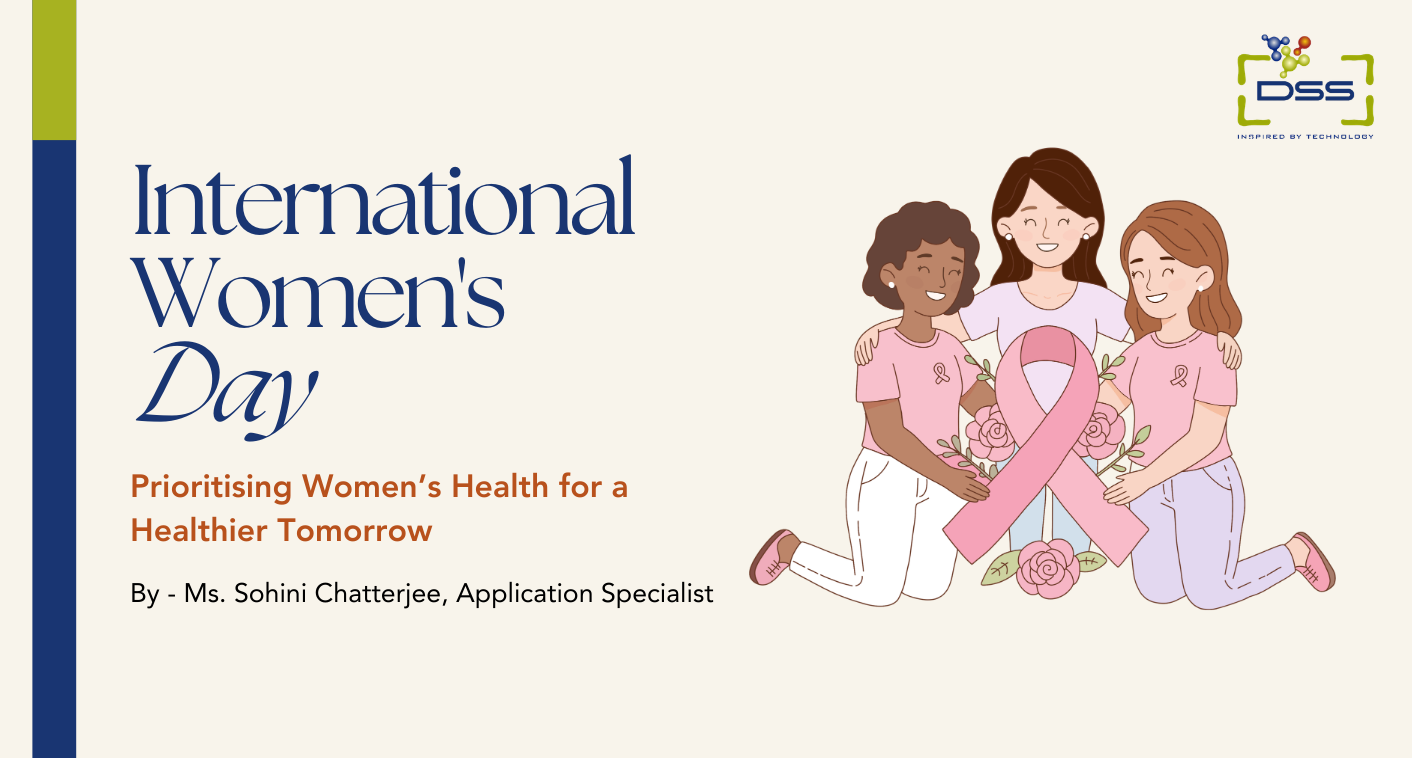
International Women’s Day – Prioritising Women’s Health for a Healthier...
BY Ms. Sohini Chatterjee, Application Specialist, DSS Imagetech 7th March 2026
In 2013, one public disclosure transformed the global conversation around women’s health. When Angelina Jolie revealed in a New York Times op-ed that she carried a BRCA1 mutation and had...
Read More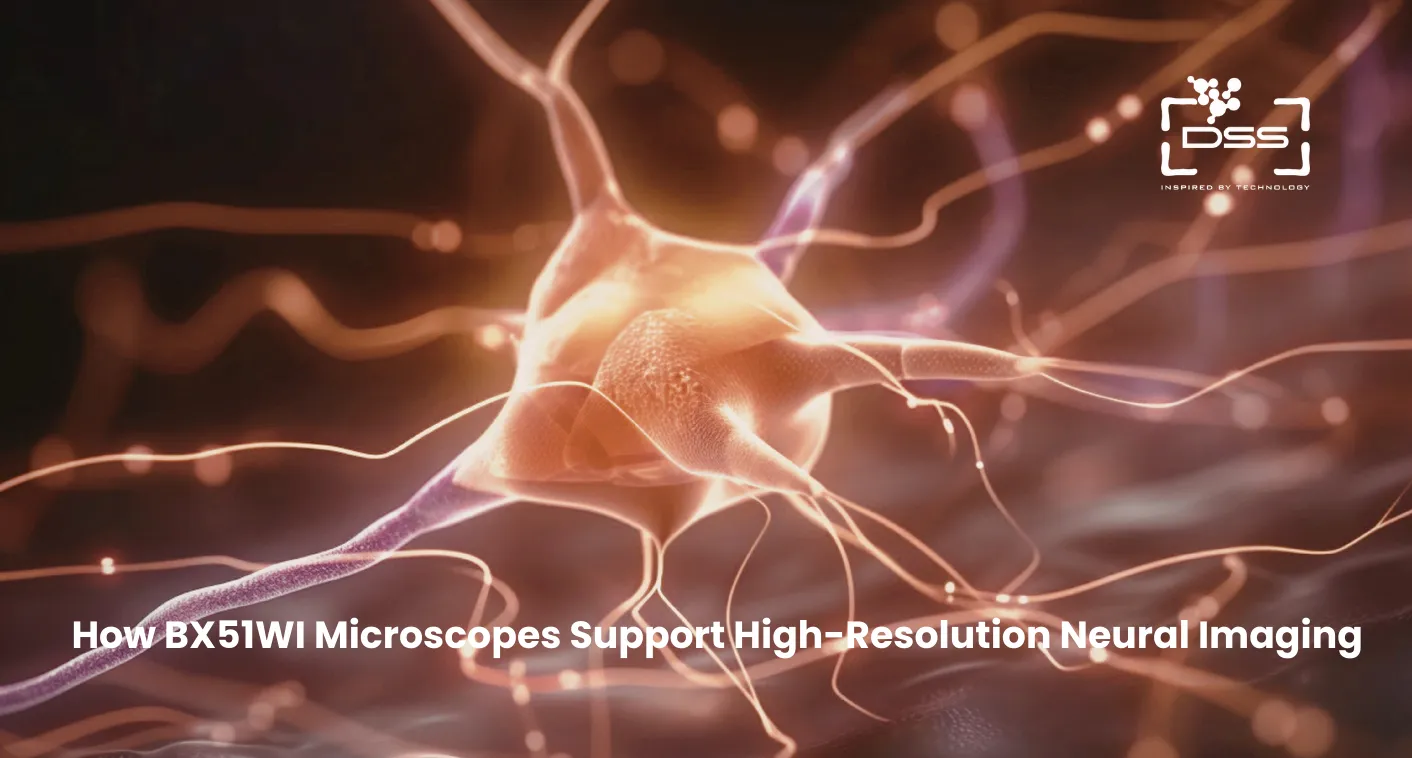
How BX51WI Microscopes Support High-Resolution Neural Imaging
BY DSS Imagetech Pvt Ltd 24th February 2026
Picture this scenario. It’s 6:00 PM on a Friday. You have spent the last six hours harvesting tissue. You perfused the mouse perfectly, the liver cleared instantly, and the brain...
Read More
The Role of Research & Development in Driving Scientific Innovation
BY DSS Imagetech Pvt Ltd 24th February 2026
Human progress is not an accident. The leap from a simple medicinal herb to a targeted biologic drug, from a magnifying glass to a digital microscope, or from a basic...
Read More