DSS: Redefining Biotechnology & Life Science in India




























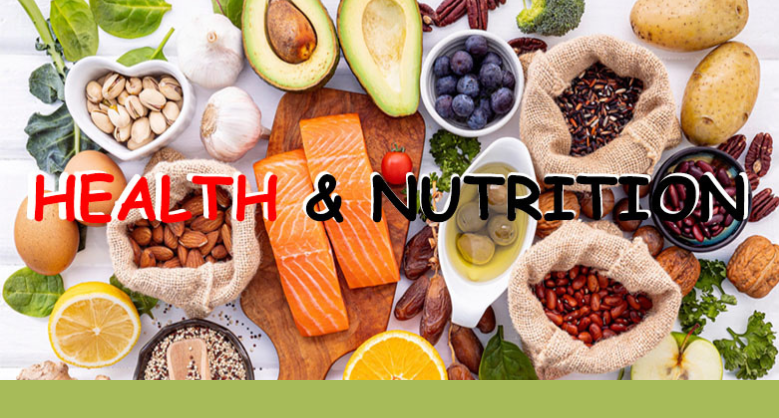
Health & Nutrition
Nutrition
Basically, Nutrition is a study of food and its effect on our body. It is an essential requirement of our body for healthy functioning and performing different activities.
You can well identify and distinguish between a healthy child and a weak child. Health and weakness only happen when our body does not get the desired/required quantity of nourishment from food consumed. Thereby the body shows signs of weakness, lack of growth and development, feels lethargic and inappropriate functioning of the brain.
Nutrition = Nourishment
Nourishment comes from the food we eat regularly and how our body cells use these foods for the proper functioning of each of our organs and body parts.
Food must contain appropriate quantities of the following nutrients:-
- Proteins
- Carbohydrates
- Fat
- Vitamins
- Minerals
- Fibre and Water
If human beings do not consume the right quantities of Nutrients then there is always a risk of developing certain and different kinds of health-related problems.
Micronutrients –
These categories of Nutrients are needed in large quantities.
The following are classified under the category of Carbohydrates –
- Sugar – It is harmful to the body as it can cause spikes in blood glucose, obesity, and metabolism issues.
- Starch and
- Fibre (Soluble and insoluble)
Dietary Fiber plays an important role in the health and fitness of our body.
It is an essential part of our diet as it helps to add to our body’s healthy gut Microbiota.
Insoluble Fiber does not dissolve in water and adds bulk to the stool preventing constipation.
It includes :
- Fruits
- Nuts
- Vegetables
- Whole grain foods
Soluble Fiber absorbs water to form a gel-like substance that helps to keep cholesterol level lower and regulates blood sugar levels.
Good sources of soluble fiber are :-
- Beans
- Fruits
- Oats
- Nuts
- Vegetables
Total Dietary Fiber requirement per day
- 25 gms for adult female
- 38 gms for adult male
Less fibre requirement after the age of 50 yrs which is –
- 21 gms for women
- 28 gms for men
Proteins – It is an essential component for the growth and development of our body. These are obtained from the food we eat. Some foods provide us with complete protein requirements and other foods contain a combination of Amino acids. Such as those who are on a Vegan diet have to combine their food intakes with different ranges of food only to fulfil their body requirements of 20 Amino acids.
Fats – This is also important for our body as it helps in:-
- Lubricating joints
- Helps organs produce hormones
- Enables the body to absorb vitamins
- Reduces inflammation
- Preserve brain health
Extra intake is again harmful to our body since it can lead to obesity, high cholesterol, liver disease and other health problems.
Water – It is an essential component of our body’s requirements.
60% of our body contains water so consumption of at least 2 litres of water or 8 glasses of water per day. Many people claim that if we do not stay hydrated throughout the day then our energy levels and brain function starts deteriorating.
Micronutrients –
Includes Vitamins and Minerals in small amounts.
Minerals – Our body needs Carbon, Hydrogen, Oxygen, and Nitrogen in the same way as it needs Dietary Minerals such as
- Iron
- Potassium
- Sodium
- Calcium
- Phosphorus
- Magnesium
- Zinc
- Iron
- Manganese
- Copper
- Selenium
Vitamins
Vitamins are important for the synthesis of new cells in our body. They ensure that the nutrients which we consume with our food are utilized and they are essential for the immune system.
Different kinds of Vitamins our body needs are:-
Vitamin B1, B2, B3, B5, B6, B7, B9, B12,
Vitamin C
Vitamin A
Vitamin D
Vitamin E
Vitamin K
There are a total of 13 different vitamins, which are divided into two groups depending on their solubility.
The first group contains the water-soluble vitamins – these include Vitamin B1, B2, B3, B5, B6, B7, B9, B12 and Vitamin C
The other group comprises those vitamins that are only soluble in fat, namely vitamins A, D, E and K.
So plan your diet as per your health and weight. Expert advice is recommended for every person in order to have a healthy body and mind.
Eat generously! Eat healthily!
Latest Articles
How to Choose the Right Research Microscope
BY DSS Imagetech Pvt Ltd 14th August 2026
You’re standing there with a procurement form and a budget number. Someone circled in red, and down the hall a colleague is muttering that their old scope “still works fine,...
Read More
The Evolution of Customer Support in Clinical Diagnostics
BY Surender Kumar | General Manager – Service, Clinical Diagnostics Division 23rd July 2026
How Customer Expectations Have Changed Over the Last 20 Years “Customer Support is no longer a cost center—it is a competitive advantage.” Twenty years ago, customer support was primarily viewed...
Read More
The ROI of Lab Automation: How Automated Karyotyping Reduces Costs...
BY DSS Imagetech 13th July 2026
If you walk into almost any cytogenetics lab across India right now, you’ll probably hear the exact same complaint. Lab directors are staring at their monthly numbers, calculating just how...
Read More