DSS: Redefining Biotechnology & Life Science in India


















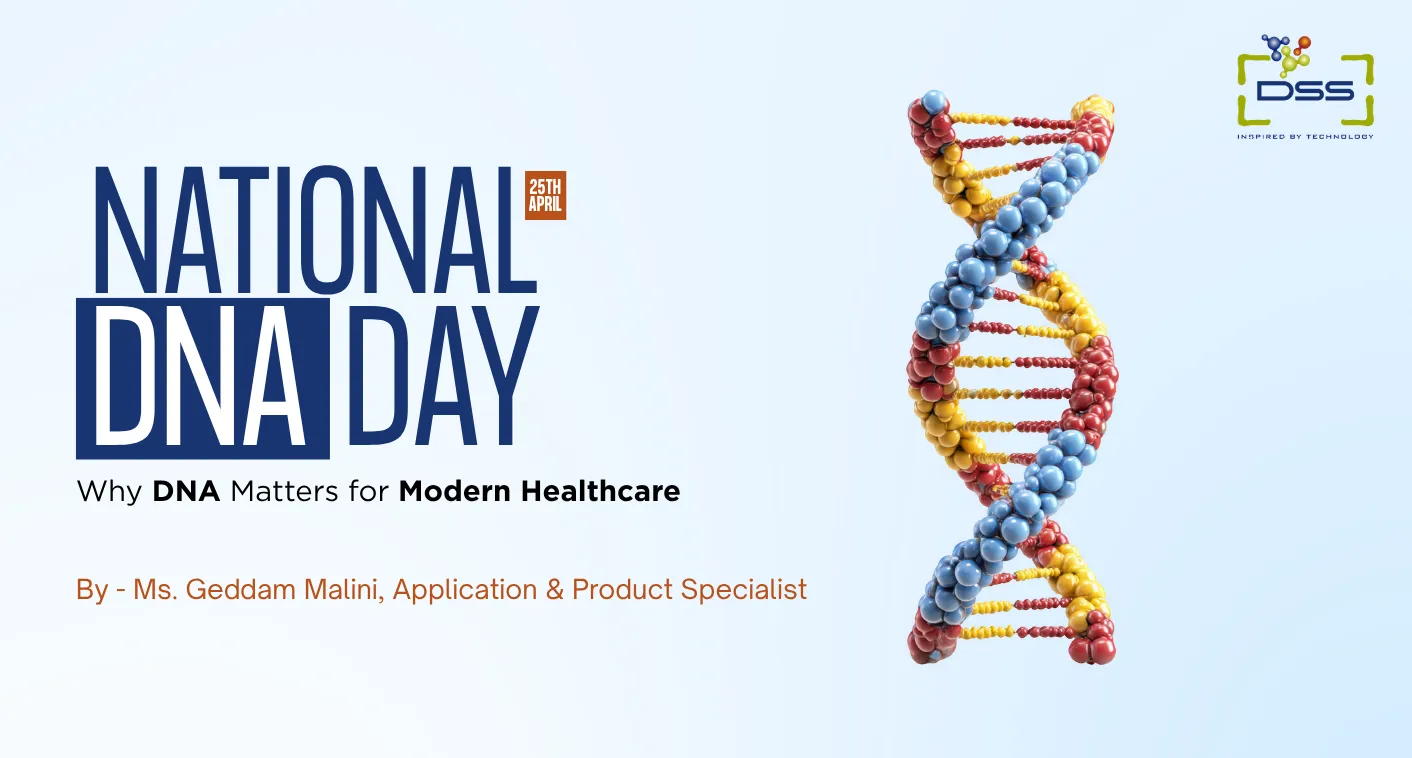
National DNA Day 2026: Why DNA Matters for Modern Healthcare
Every cell in our body carries DNA, the code of life. April 25 marks DNA Day, it highlights advances in genomic research and encourages education in genetics.
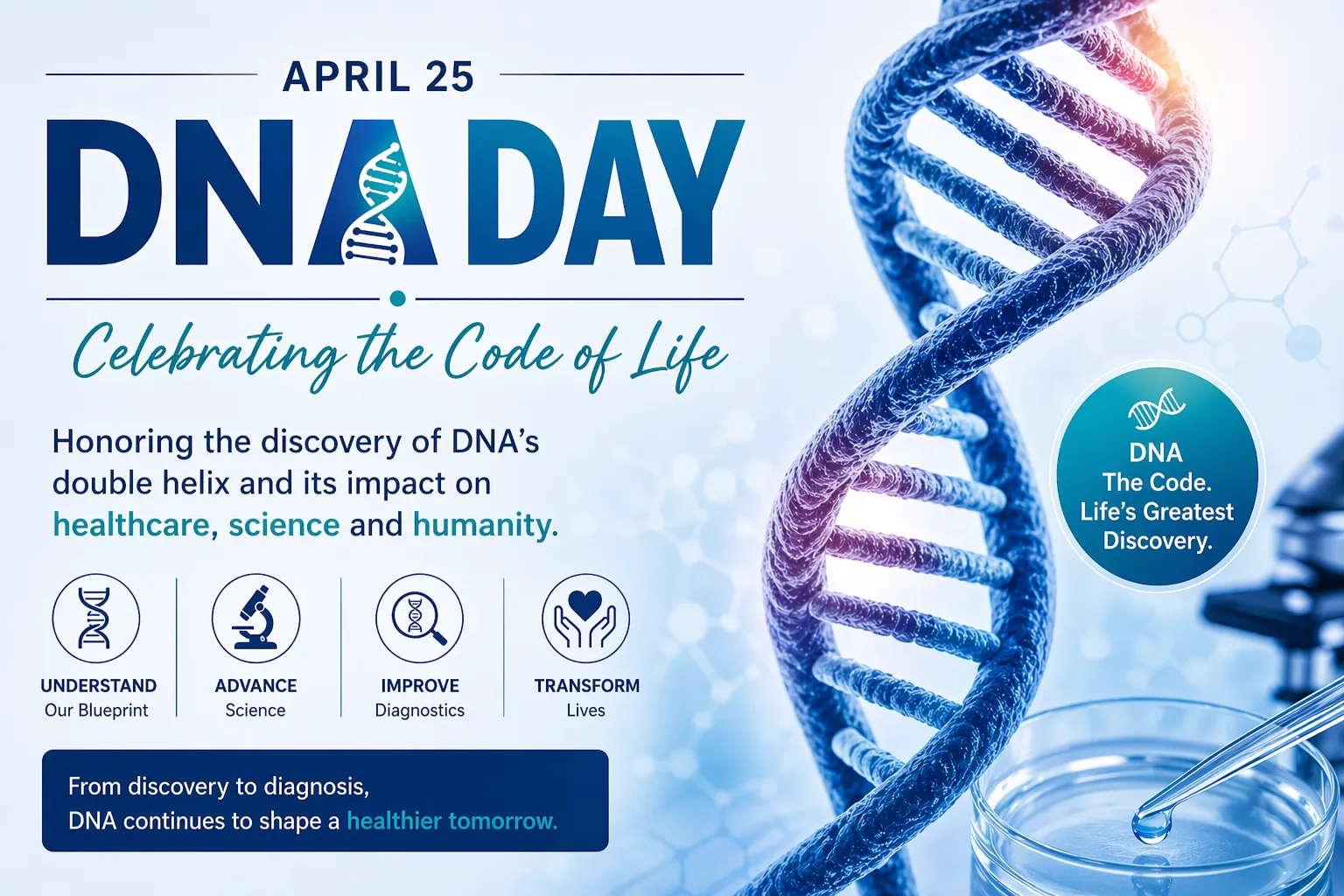
While DNA was once just a scientific discovery, today it plays a critical role in modern healthcare. From identifying genetic disorders and diagnosing cancers to enabling personalized treatments, DNA has transformed how doctors detect and treat diseases. On DNA Day, we celebrate not just a historic discovery, but the growing impact of genetics in improving patient care worldwide.
DNA: The blueprint of Life
DNA acts as the body’s instruction manual, guiding how we grow, function, and repair ourselves. While we inherit our DNA from our parents, our everyday lifestyle choices can also influence how certain genes behave. Eating a balanced diet helps repair cells and protects DNA from damage, while regular physical activity supports overall health and lowers the risk of many diseases. On the other hand, habits such as smoking and excessive alcohol consumption can damage DNA and can increase the likelihood of conditions like cancer.
DNA: The Diagnostic Engine of Modern Healthcare
One of the most significant impacts of DNA in healthcare is the early detection of genetic disorders. Even small changes or mutations in chromosomes or genes can lead to serious health conditions. By understanding these changes, healthcare professionals can detect diseases earlier, choose appropriate treatments, and improve patient outcomes.
DNA testing helps detect conditions such as:
- Inherited disorders that can be passed from one generation to another
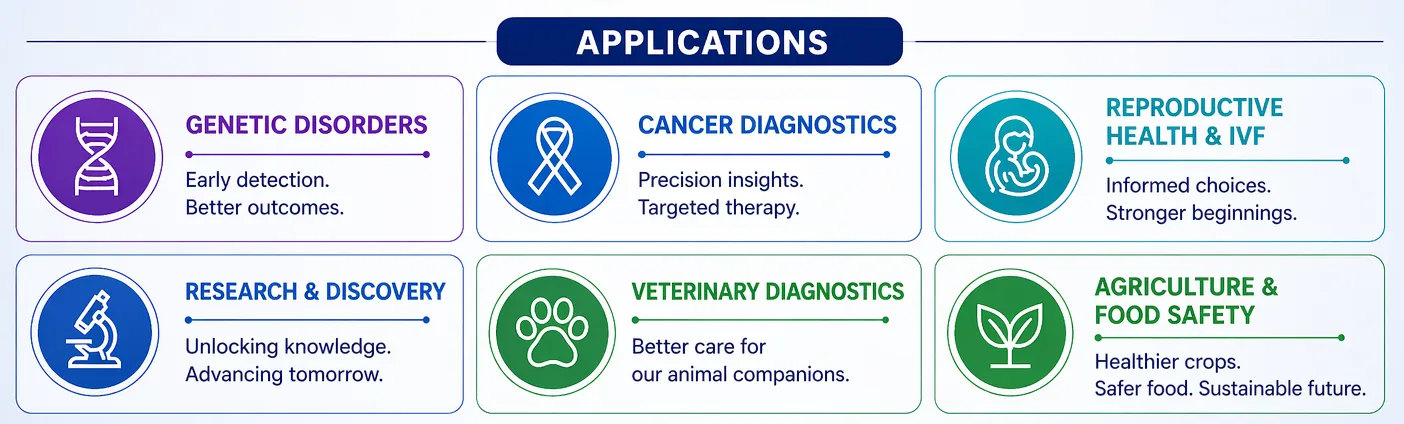
- Prenatal testing and IVF applications – analyzing embryos/zygotes for genetic abnormalities before implantation
- Rare genetic disorders that may otherwise remain undiagnosed for years
- Leukemia genetics – identifying chromosomal abnormalities linked to blood cancers
- Solid tumor applications – detecting genetic mutations that help guide targeted cancer therapies
- CTC (Circulating Tumor Cell) analysis – supporting cancer monitoring and research
- Stem cell research – understanding genetic stability for regenerative medicine
- Drug development research – helping researchers understand disease pathways and develop targeted therapies
- Telomere analysis – studying aging, cellular health, and disease progression
DNA science is not limited to human healthcare, it also plays an important role in other fields such as:
- Agricultural genetics – improving crop quality, disease resistance, and livestock productivity
- Veterinary genetics – diagnosing inherited disorders in animals and supporting better breeding practices
DNA insights help doctors in Personalized Medicine
Every patient responds differently to treatment, and genetics often helps explain those differences. Differences in an individual’s genetic makeup can influence how they respond to medications, their risk of side effects, and the effectiveness of certain treatments. By analyzing DNA, healthcare providers can move toward more personalized treatment approaches that are tailored to each patient’s unique genetic profile.
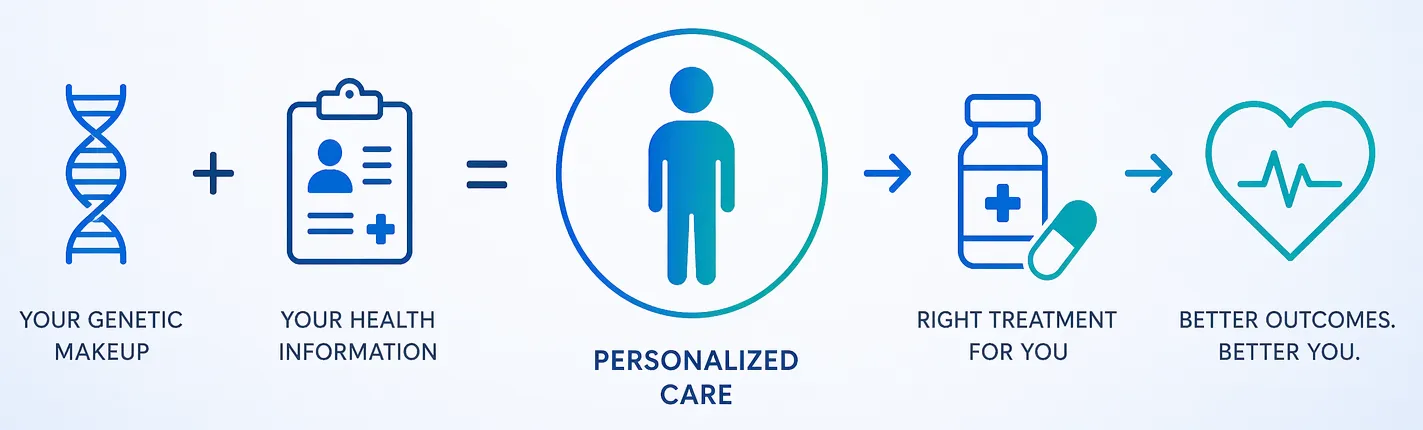
DNA helps:
- Select the most suitable medications
- Predict treatment response
- Reduce the risk of side effects
- Improve treatment outcomes
Technologies That Make This Possible
Behind these advancements are powerful diagnostic technologies and modern innovations that help scientists and clinicians study DNA more accurately and efficiently:
Some of the key technologies that support DNA diagnostics include:
- Karyotyping : Examines the number and structure of chromosomes to identify abnormalities such as extra, missing, or rearranged chromosomes. This workflow is supported by specialized karyotyping reagents from EuroClone and growth media from ADS Biotec that help prepare high-quality samples for accurate analysis. With solutions such as the Hanabi Metaphase Chromosome Harvester and Hanabi Chromosome Metaphase Spreader, automation brings greater standardization to a process where minimizing variability is critical delivering higher throughput, reduced hands-on time, consistent high-quality chromosome spreads, and lower operator dependency.
- FISH (Fluorescence In Situ Hybridization) : Uses fluorescent probes to detect specific genetic abnormalities at a targeted level using solutions such as Abbott Laboratories Vysis probes and NeoDx Biotech Labs CyFISH probes. Automated sample preparation processors from Abbott Laboratories help streamline laboratory workflows and improve consistency in sample processing. Hybridization chambers from Abbott Laboratories and EuroClone help ensure controlled conditions for accurate testing procedures.
- Molecular Diagnostics: Identifies gene-level mutations associated with cancers, inherited disorders, and infectious diseases. This includes clonality and MRD solutions from Invivoscribe, targeted mutation assays from EntroGen, and NGS-based profiling from Xiamen Spacegen. It is further complemented by MLPA and digitalMLPA solutions from MRC Holland for CNV analysis in tumor and genetic disease testing. In infectious disease diagnostics, high-throughput testing is supported by Abbott Laboratories’s m2000 system, along with PCR- and NGS-based pathogen detection solutions from Certest Biotec and region-specific assays from NeoDx Biotech Labs.
- Microscopy & Imaging Systems : Solutions from Evident support manual, Semi-Auto, to Fully automated microscopy, also with continuous tray loader systems for efficient image capture.
- Automated Analysis Platforms : AI Integrated Platforms from Applied Spectral Imaging help laboratories analyze faster while improving reporting accuracy. They also support customized reporting, centralized case data management, seamless LIS integration, and interconnected review stations, enabling more efficient laboratory workflows.
Together, these technologies create a complete diagnostic ecosystem: helping laboratories move from sample preparation to analysis and reporting with greater precision, confidence, faster diagnosis workflows, accurate reporting, better treatment planning, and more advanced research across healthcare and life sciences.
The future of DNA in modern healthcare
The future of healthcare is becoming increasingly proactive, precise, and technology-driven and DNA will continue to play a central role in that transformation. While innovations are rapidly advancing the field, foundational techniques continue to remain gold standards in many diagnostic applications, proving that strong scientific roots never fade.
Key advancements shaping the future include:
- AI-Driven Diagnostic Precision – AI in diagnostics: Helping laboratories analyze complex genetic data faster and improve diagnostic accuracy
- Faster sequencing technologies: Making genetic testing quicker, more accessible, and cost-effective
- Preventive healthcare: Genetic Risk Assessment like Identifying disease risks early and enabling preventive action before symptoms appear, DNA testing for disease prevention
- Personalized Medicine – Expansion of precision medicine: Creating highly personalized treatments based on an individual’s genetic profile
Conclusion:
DNA is no longer just a scientific discovery from the past, it is shaping the future of healthcare every day. From early diagnosis to personalized treatment, its impact continues to grow. As healthcare moves forward, the future will be built on both innovation and trusted golden diagnostic foundations combining advanced technologies with proven methods to deliver better outcomes.
For more information please contact DSS Imagetech at enquiry@dssimage.com.
References:
- The Emergence of Artificial Intelligence-Guided Karyotyping: A Review and Reflection Lynne S. Rosenblum 1,*, Julia Holmes 1,2 and Agshin F. Taghiyev 1 The Emergence of Artificial Intelligence-Guided Karyotyping: A Review and Reflection – PubMed
- American Oncology Network Advances Karyogram Segmentation and Increases the Speed to Results with New A.I. Software American Oncology Network Advances Karyogram Segmentation and Increases the Speed to Results with New A.I. Software
- Multicenter evaluation of a new AI-Based Karyotyping software on bone marrow specimens Rachel D. Burnside1, Julie Best2, Lisa Spudich3 1: Multicenter evaluation of a new AI-based karyotyping software on bone marrow specimens – ScienceDirect
- New Artificial Intelligence Based Computer-Aided Chromosome Analysis and Karyotyping a Pilot Evaluation https://www.sciencedirect.com/science/article/pii/S2949774424007210
- Applied Spectral Imaging software – Cytopower software https://spectral-imaging.com/cytogenetics/
- Evident/Olympus Microscopes https://evidentscientific.com/en/products/upright/bx63
- MRC Holland. digitalMLPA™ technology overview. https://www.mrcholland.com/technology/digitalmlpa?utm_source=chatgpt.com
- Automated systems & consumable kits for cytogenetic, pathology and research/diagnostic labs Adsbiotec
- Reagents and equipment for cytogenetics https://www.euroclonegroup.it/documents/documents/PR107_Cyto_ed3_0617_mail.pdf
- Vysis FISH Chromosome search probes Vysis FISH Chromosome Search | Abbott Molecular
- Molecular Diagnostics Kits for Infectious Diseases, Oncology Treatment & Genetic Disorders Neodx
- DSS Imagetech. Integrated cytogenetics and genomics solutions. DSS Imagetech
About the Writer

Ms. Geddam Malini is an Application & Product Specialist at DSS Imagetech Pvt Ltd with 3+ years experience in the field of microscopy. She works with Evident microscopy systems, supporting sales through technical discussions, product demonstrations, customer hand-holding, troubleshooting, and user training. She also organizes workshops and hands-on sessions to promote microscopy applications in cytogenetics, pathology and enhance customer adoption.
FAQs :-
1. Is DNA testing only used for humans?
No. DNA analysis is also widely used in veterinary diagnostics, agriculture, food safety, and scientific research.
2. Can DNA testing help detect cancer?
Yes. DNA-based testing helps identify genetic mutations linked to cancers such as leukemia and solid tumors, supporting early detection and targeted treatment decisions.
3. Will traditional diagnostic methods become outdated with new technologies?
No. While advanced technologies like NGS and molecular diagnostics are growing rapidly, foundational methods like karyotyping and FISH continue to remain essential, gold standard and widely trusted in many clinical applications.
4. What is personalized medicine?
YPersonalized medicine uses a person’s genetic information to help doctors choose treatments that are more effective and reduce unwanted side effects.
5. How does automation improve cytogenetics workflows?
Automation helps reduce manual errors, improve standardization, increase throughput, minimize hands-on time, and deliver more consistent sample preparation and analysis results.
Latest Articles
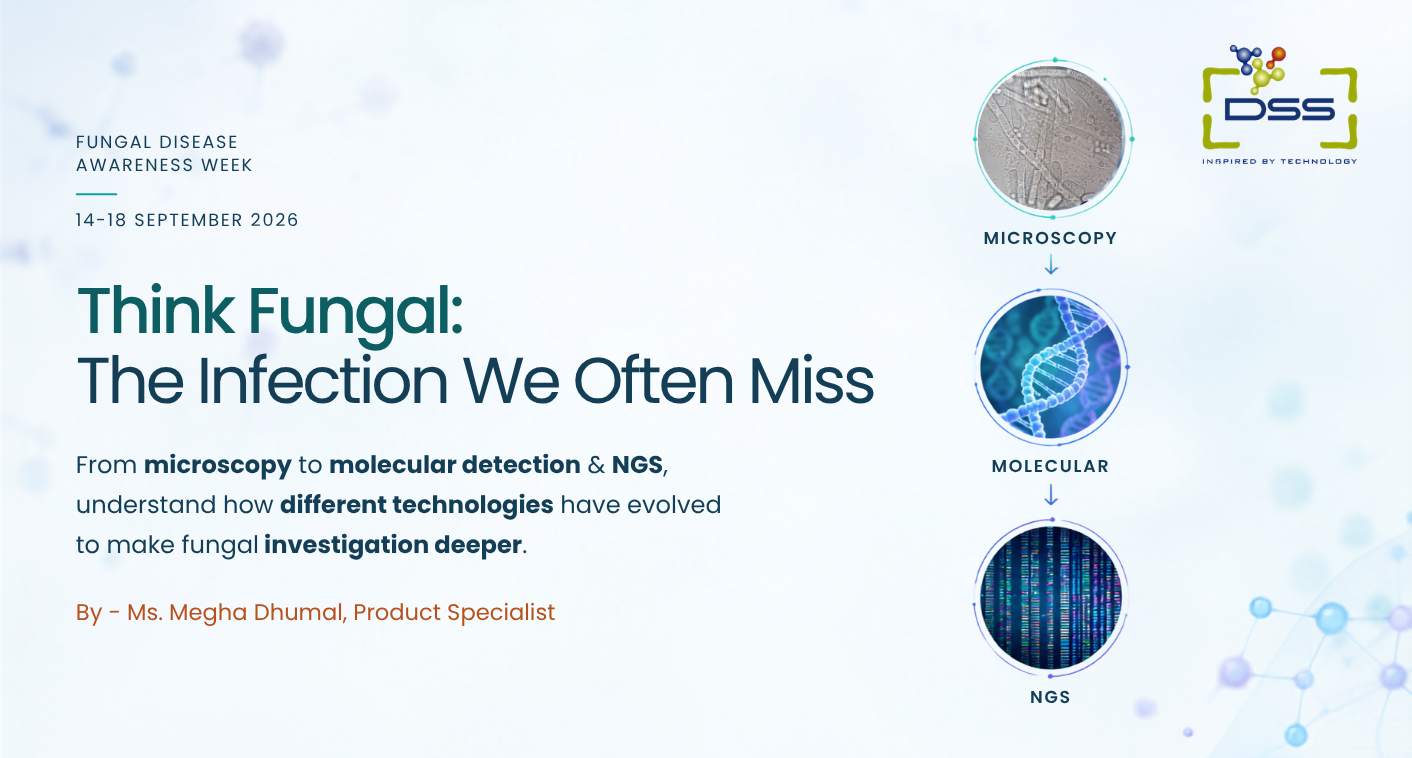
Think Fungal: The Infection We Often Miss
BY Megha Dhumal, Product Specialist 18th September 2026
Fungal Disease Awareness Week | 14–18 September 2026 2026 marks the 10th Annual Fungal Disease Awareness Week, highlighting a decade of efforts to raise awareness of fungal diseases and their...
Read More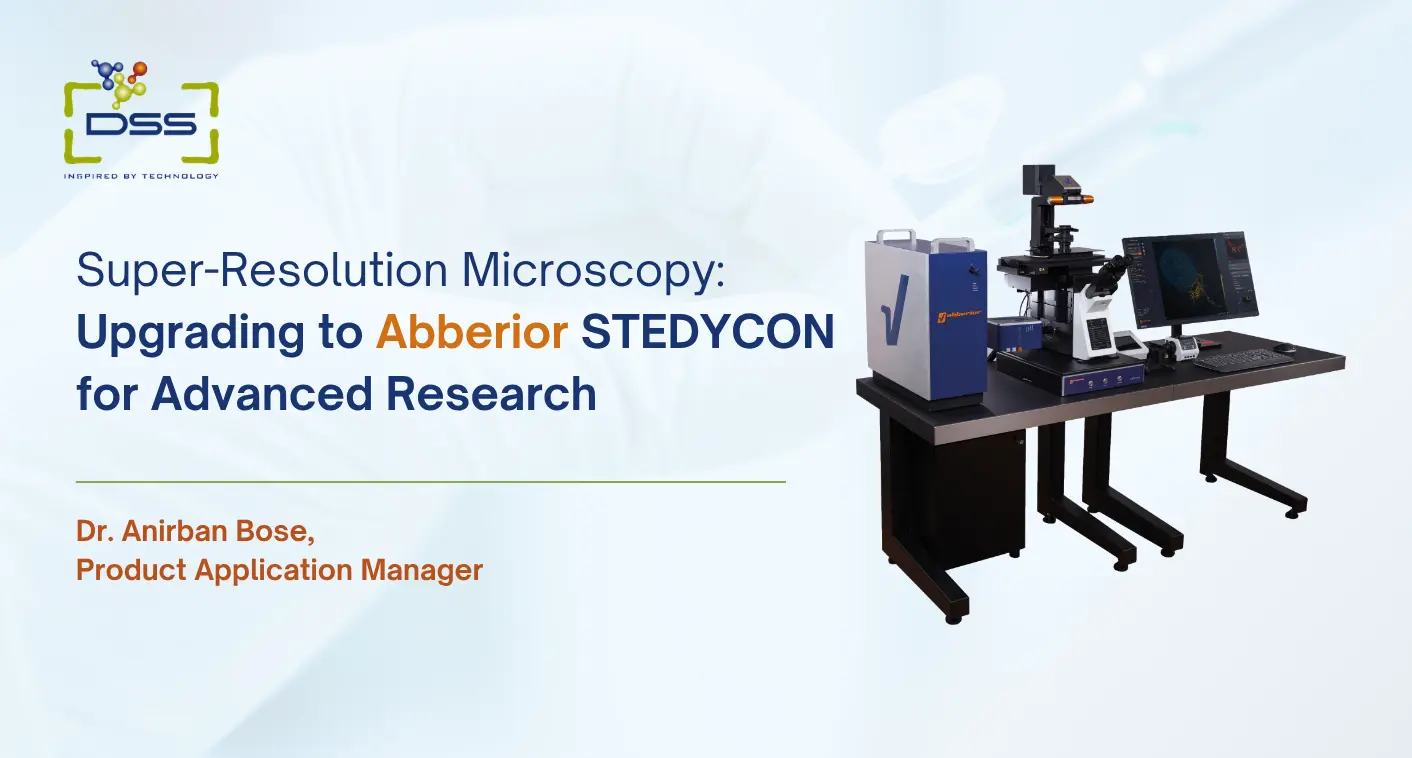
Super-Resolution Microscopy: Upgrading to Abberior STEDYCON for Advanced Research
BY Dr. Anirban Bose (Ph.D.) Product & Application, Manager 5th September 2026
No matter how high-end your conventional fluorescence or confocal microscope is, there is a hard ceiling that eventually becomes incredibly frustrating. You could be trying to get a clear look...
Read More
How to Choose the Right Research Microscope
BY DSS Imagetech Pvt Ltd 14th August 2026
You’re standing there with a procurement form and a budget number. Someone circled in red, and down the hall a colleague is muttering that their old scope “still works fine,...
Read More