DSS: Redefining Biotechnology & Life Science in India






























LUNG CANCER CARE: THE POWER OF PRECISION DIAGNOSTICS & GENOMICS
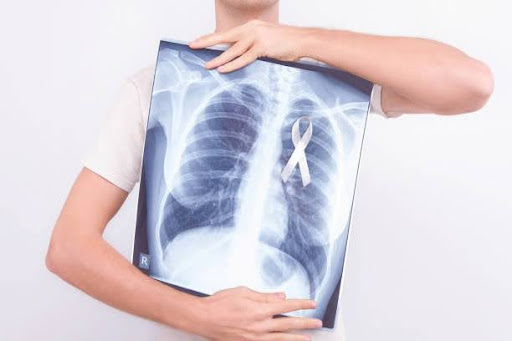
Lung cancer today is among the most common & serious types of cancer in the world. It happens when abnormal cells in the lungs begin to grow in a way that alters their normal function & cannot lead to the formation of tumours. There are two major types of lung cancer: non-small cell lung cancer (NSCLC) & small cell lung cancer (SCLC).
NSCLC accounts for almost 85% of all cases & is considered most common while SCLC is far more aggressive & spreads more rapidly than NSCLC.
Causes & Risk factors
Long term cigarette smoking remains the leading cause of lung cancer-at about 85% of cases. Both smoking (active & passive) can raise the risk for lung cancer. Even light & occasional smoking is dangerous. Alongside smoking itself, other frequent potential risk factors are being exposed to radon gas, air pollution & second h& smoke. It is a much more common problem among smokers but lung cancer can be seen in non smokers because of these other exposures or genetics.
Types & characteristics
There are subtypes of non-small cell lung cancer including adenocarcinoma, squamous cell carcinoma & large cell carcinoma.
NSCLC usually develops in large cells but usually grows & spreads to other organs more slowly. It comprises 80-85% of all lung cancers.
Small Cell Lung Cancer (SCLC) or oat cell cancer is usually aggressive & typically begins in the smaller airway cells. It spreads quickly to other parts of the body. Though responsive to chemotherapy & radiotherapy, typically diagnosed very late.
Symptoms & Diagnosis
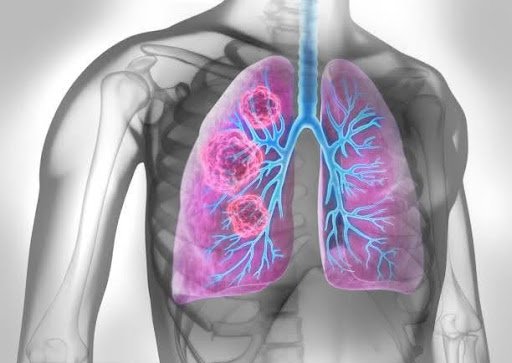
Lung cancer does not get noticed soon enough as its symptoms are similar to those of most other less serious cases.
Very common symptoms include a persistent blood filled cough, chest pain, difficulty breathing, weight loss & repeated respiratory infections.
For most individuals no symptoms develop until something has gone wrong with the condition, which is the other cause for the high death rate.
Surveillance by low dose computed tomography is advised in the vulnerable patient so the cancer can be detected at an earlier & more amenable stage.
Staging
As per the extent of the disease spread, lung cancer is staged into:
- Stage I: Cancer in the lung, mainly operable.
- Stage II: Cancer starts to invade nearby lymph nodes or in the chest.
- Stage III: The cancer spreads to many other body parts or nearby organs involving increased numbers of lymph nodes.
- Stage IV: Advanced, where the cancer has spread to distant organs like the brain, liver or bones. Treatment is directed to relieve symptoms & extend life.
Options for treatment
Depending on the type, stage, health & state of the patient.
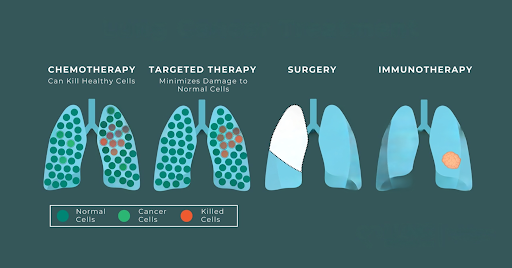
- Surgery: where the tumor is removed along with some lung tissue around it. It is limited to early stage NSCLC & localized SCLC.
- Chemotherapy: contains drugs to kill or inhibit the growth of cancer cells & used with other therapies.
- Radiation therapy: for use with cancerous tumours, the use of targeted radiation to kill tumour cells is commonly used when surgical therapy is not an option or when combined with chemotherapy.
- Targeted therapy: It is made up of drugs that attack directly the genetic mutations that cause cancerous development in certain NSCLC.
- Immunotherapy: Such treatments focus on improving the system’s immune response by recognizing cancer cells & fighting them off.
Symptom relief includes measures to relieve airway obstruction, to relieve pain & to clear up any fluid buildup.
Survival & prognosis for this cancer lies in punctual diagnosis & treatment response. As a result, the total 5 year relative survival in lung cancers is about 22.9%.
However, early diagnosis & survival is up to 61%. At late stage diagnosis survival is lower at about 7% & the importance of screening & early intervention becomes clearer. Survival rates for the patients have drastically improved over the years due to effective treatment plans.
Prevention & awareness
There is a major emphasis on smoking cessation & reducing exposure to environmental carcinogens (radon & air pollution). Overall, prevention & awareness of lung cancer disease is quite simple to implement.
However, public health campaigns & public awareness over lung cancer awareness month are the most effective ways of getting high risk groups screened & encouraging healthier habits.
Even today continued research & improved therapies offer hope for reducing global lung cancer deaths. This global perspective on lung cancer demonstrates both the scale & the potential of early detection & treatment & of avoiding carcinogenic agents to prevent death. They include early detection, personalized therapies & lifestyle change.
Disease burden across India & Global comparison
Lung cancer is the most common & deadliest cancer in the world with nearly 2.48 million new cases in 2022 (12.4% of all cancers). The disease is often diagnosed at late stages or even non-existent early symptoms. Treatment plans are deemed to be poor & may not cure you.
Major lung cancer risk factors are obesity, smoking (active & passive), alcohol use, poor diet, dust allergy, environmental pollution & genetics.
India is a special case in this respect with limited advanced diagnostic facilities (e.g., few PET/CT scanners & radionuclide production centers) in urban areas making it difficult to detect lung cancer & access treatment.
There are computer-aided diagnosis (CAD) & artificial intelligence (AI) technologies that are being developed to detect lung cancer early in life. In India, areas which are largely under resourced, open-source AI models can work with fewer resources for democratizing lung cancer screening.
There are plenty of advantages already proven to screening lung cancer disease, uptake is low across the world with only 16% of eligible people being screened by the year 2022 due to grim awareness, insufficient infrastructure, socio economic status & stigma attached.
The rates of lung cancer in men are almost twice as high as in women & are concentrated in some areas.
To decrease the burden of lung cancer at a higher scale we must ensure:
– Increase access to & acceptance of early detection programs.
– Invest in health facilities and training.
– Use AI & digital technologies to screen and diagnose patients.
– Strong public health policies focusing on prevention especially tobacco control.
– Equal & inclusivity for screening based upon the diversity of population.
– Research collaborations & policy initiatives are required to target the treatment scale based on risk factors (local) & further improve patient outcomes.
– It is necessary to have innovation in India & global healthcare for preventive measures for the reduction of lung cancer mortality.
Lung cancer linkage with Cytogenetics
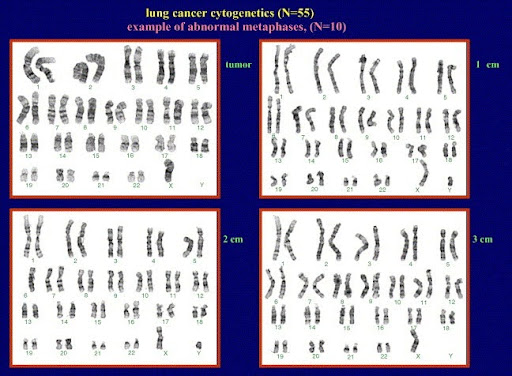
Cytogenetic studies will help us gain an insight into the underlying genetic pathways behind lung cancer. Cytogenetic studies investigate repetitive chromosomal abnormalities, molecular markers & tumour progression.
The frequently occurring cytogenetic abnormalities in non small-cell lung cancer (NSCLC) & small cell lung cancer (SCLC) are variations in gene specific translocations, gene fusions & gain or loss of chromosomal stuff.
Quite often the abnormalities that are very commonly associated with the development of lung tumours, e.g. loss of heterozygosity, chromosome 3p deletions & region 5p15, 6p21 & 15q25 have been associated with the loss of genes that manage cell cycle rhythm & proliferation.
Key techniques & findings
Cytogenetic evaluations of lung cancer karyotypes through traditional karyotyping & banding ways hold a limitation for lung cancer operations as short term cell culturing is involved.
FISH & CGH as today’s molecular cytogenetic techniques have created the ability to screen the complete genome for either DNA gain or loss & to establish fusion genes such as EML4-ALK frequently in non smoker NSCLC.
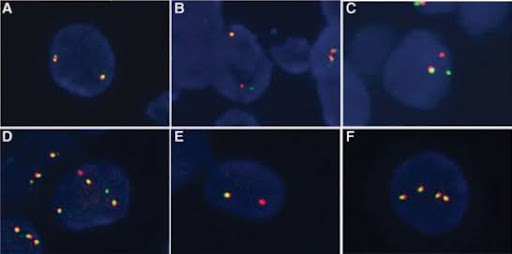
Such genetic level markers play a significant role not only in patient stratification but can also identify targets for individual therapeutic strategies.
Multistep carcinogenesis & clonal differentiation where cytogenetic studies play a vital role for forming a foundation of the multi step model of lung cancer that is relevant to adenocarcinoma.
By looking into case studies, clonalism may be the condition of quite a few precursor lesions such as AAH, BAC & invasive adenocarcinoma.
Chromosomal rearrangements like t(5;15)(q13;q25-26) hinting essential cell cycle regulators which have been reported in these precursors, thus suggesting that chromosome instability & clonal progression mostly determine the course of the tumour.
Prognostic & diagnostic work up throws an important light upon tumour imaging which is a crucial way to first classify & then stage lung cancer patients.
Chromosomal anomalies in quite a few cancers are linked to tumor grade & stage. These are able to add important predictive features in cancer disease stage & tumor cancer by adding up prognostic significance.
Molecular cytogenetics approaches make it possible for scientists to identify correct mutation therapy targets & have better diagnostic capacity of mutation therapy for those who hold higher chances to be in the higher risk groups.
The field of cytogenetics has been a fundamental aspect for lung cancer & has become a prime zone for research in the field & clinical application of lung cancer by increasing the validity of diagnostic evaluation & the discovery of novel indications & new diagnostic criteria through targeted, directed therapeutic targets & guidelines in lung cancer treatment.
As we evolve further with our technologies & the cytogenomics approaches we use continue to advance, insight from cytogenomic data will affect the future of therapeutic management for lung cancer.
Just look at the molecular cytogenetic taps for lung tumour samples involving multifactorial approaches which is optimal for molecular cytogenetic strategy.
FISH/CISH (tissue or cytology) with targeted NGS (RNA-based) for detailed diagnostics with CGH based approaches for complex or research samples.
Two clinical fundamental technologies- FISH & CISH!
Break apart FISH on FFPE & cell block/cytology is a common approach to ALK, ROS1, RET for NSCLC.
It works on small heterogeneous samples as well as fine. Locus specific FISH or CISH functions effectively in the copy number count verify e.g MET, EGFR amplification to ensure that the target signal pattern agrees with the morphology on the same slide.
CISH is also able to create sustained bright field clear & readable signals.
Genome level cytogenetics- CGH or array CGH! The comparative genomic hybridization & array CGH can give full genome details about lung tumour gain & loss by identifying the recurrent lung lesions with characteristics of NSCLC such as 3p deletions & 5p gains.
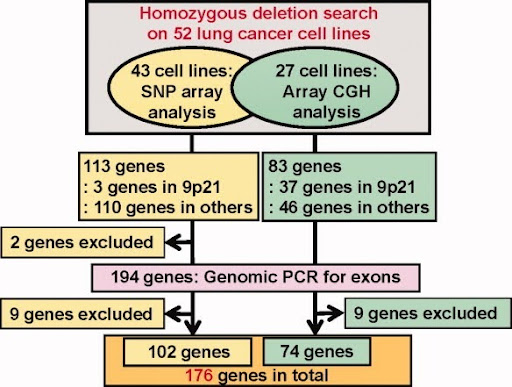
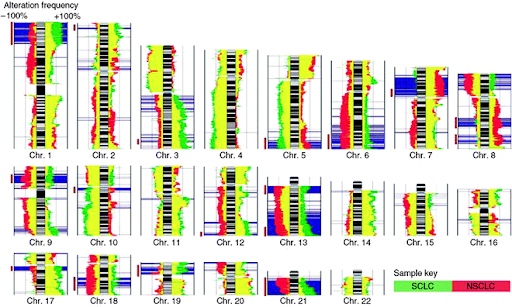
They are more appealing than the generalised, single patients, average everyday decision making & are applied mostly to research, clonal evolution & intricate karyotype decoding.
High resolution tools such as SKY (Spectral Karyotyping) resolve complex structural rearrangements & cryptic translocations in NSCLC cell lines & primary tumours. It is therefore important for creating a detailed cytogenetic picture of lung cancer.
Large in size, SKY (Spectral Karyotyping) is usually not in use as a primary diagnostic test & first line diagnostic test & is mostly used as a tool for translational research.
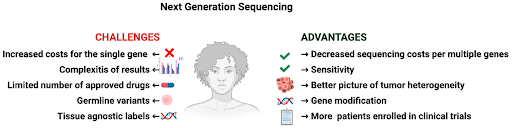
Integrated “molecular cytogenetic” testing with NGS targeted DNA/RNA NGS panels on FFPE or cytology specimens identify point mutations, change in copy number & various fusions including ALK, ROS1, RET, NTRK, MET exon 14 skipping in a single assay & have since become central to NSCLC work up.
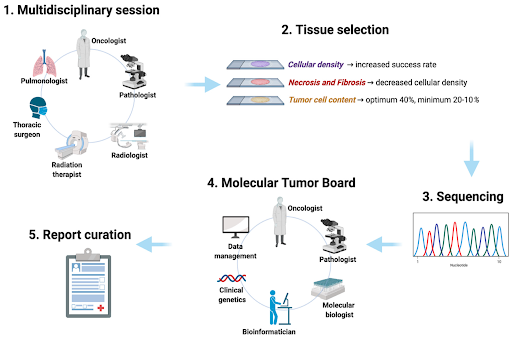
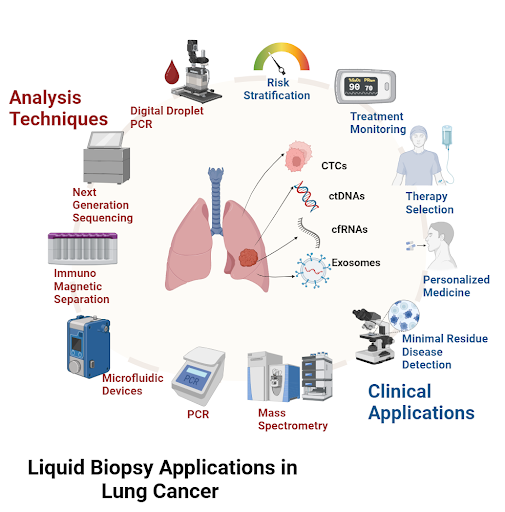
RNA based NGS is suitable for fusion & in some cases should serve in lieu or complement the multiple single target FISH assays while still demanding FISH or CISH for ambiguous or borderline cases.
Practical diagnostic algorithm for common NSCLC triage!
IHC lineage & ALK/ROS1 can triage if confirmed. Major rearrangements or amplifications will be diagnosed with a focused FISH/CISH method & a combination of multiple gene NGS panels (DNA / RNA) used as the main basis for discovery & stratification.
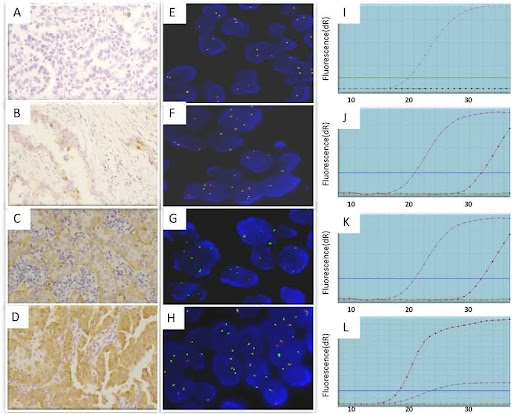
For hard cases or research cases!
For highly rearranged genomes, atypical histology adds an array CGH & when necessary SKY (ASI’s patented offering at DSS)- which maps global chromosomal architecture & novel lesions.
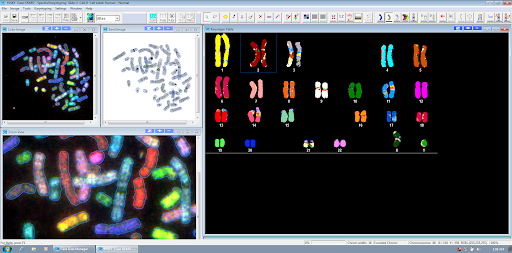
Thus, we can use such techniques to extract more useful insights from less abundant lung tumour material.
Diagnostic kits for Lung cancer solutions
DSS Imagetech has developed a variety of solutions for lung cancer detection, diagnosis & research through its molecular testing platform and genomic profiling products. The company offers a multitude of advanced molecular diagnostic kits based on NGS for lung cancer and molecular medicine services. These kits and related molecular medicine services are available to researchers worldwide.
Oncology Multi Gene Mutations Detection Kit (High throughput sequencing)
As of now the kit is able to detect 482 somatic mutations for 13 genes associated with non-small cell lung cancer (NSCLC) & colorectal cancer. NGS and RingCap® technology help track single base mutations, insertions, deletions & gene fusions and help to customize treatment. The kit is compatible with multiple sequencing platforms such as Ion PGM, Ion Proton, Illumina & MGI. It comes with either 16 or 32 tests.
Tumor Comprehensive Genomic Profiling (CGP) Panel Assay
Based on NGS, it assesses 1200 tumor associated genes. It detects SNVs, insertions/deletions (indels), CNVs & gene fusions in order to provide a detailed genetic profile for cancer such as lung cancer.
Additional Genomic Testing Panels relevant in oncology
- Hereditary Cancer Panel Assay: 58 genes that are associated with hereditary cancer syndromes & lung cancer risk.
- Solid Tumors 107 Gene Mutations Detection Kit: Detections for mutations associated with solid tumors like lung cancer.
Molecular Diagnostics & Research tools
SpaceGen’s products are focused on cancer diagnostics with NGS, qPCR & Digital PCR based on high throughput sequencing technologies for effective cancer detection & monitoring.
Features of the Oncology Multi Gene Mutations Detection Kit
– Comprehensive profiling with 482 mutations in 13 genes in one assay.
– SNVs, insertions, deletions & gene fusions can be detected in the smallest sample.
– Genetics are linked to established targeted therapies.
Sequencing instruments
The same tools are applicable to Gene sequencer Ion PGM, Ion Proton, DA8600 & Illumina sequencing- such as Miseq & NextSeq series & MGI sequencers.
Available test formats
– Packs of 16 or 32 tests per kit.
MRC Holland’s MLPA® technology allows data to be reliably assessed for copy number changes & methylation status and selected known point mutations with only a small amount of DNA (50 ng). Results can be retrieved within 24 hours with minimal hands on time.
NXtec D024 KaryoProfiler is a digital MLPA assay for genome wide detection of large copy number changes across chromosomes at resolutions of ~2 to 4 Mb. This assay combines SALSA MLPA with NGS to accurately detect large chromosomal gains/losses with subchromosomal alterations. While chromosomal alterations are detected, in general lung cancer markers may include the CEA or CA125 level as well as mutations that target EGFR or ALK genes.
Applications
– Check DNA samples for gross chromosomal abnormalities.
– Follow up on abnormal results from FISH or array CGH for the clarification of unknown karyotypes.
– Watch for genome variations in long term cultures like embryonic stem cells or induced pluripotent stem cells.
– Chromosomes that are most likely to be affected include numbers 12, 17, 20 & X test clones prior to functional studies.
– Identification of low level mosaicism in ≥30% of DNA sample.
– Identification of cross contamination down to a percentage of samples that was as small as 7.5% contamination.
Data Analysis
Analysis of data using Coffalyser digital MLPA software & the product specific documentation available for free from the MRC Holland website.
EntroGen Real Time PCR kits for Lung Cancer
Non-small cell lung cancer (NSCLC) accounts for up to 85% of lung cancer cases in the U.S. with somatic mutations in oncogenes like EGFR, KRAS, ALK & PIK3CA in certain NSCLC subsets. A few specific therapeutic strategies based on these genetic alterations are now standard in the treatment of lung cancer patients.
Most of the mutations in EGFR especially L858R & exon 19 mutations are sensitive to EGFR tyrosine kinase inhibitors (TKIs). The mutation in T790M is known to be resistant to initial EGFR TKIs & is also favorable to the newer targeted treatments.
The following kits are available for lung cancer analysis: EGFR Mutation Analysis Kit, PIK3CA Mutation Analysis Kit, EML4-ALK Fusion Gene Detection Kit, KRAS Mutation Analysis Kit, ctDNA EGFR Mutation Detection Kit, Lung Cancer RNA Panel, ctDNA RAS Mutation Detection Kit.
Assessment Procedure
- Isolate DNA or RNA from tumor biopsies or other sources.
- Amplify with provided reagents.
- Real time PCR software or analysis worksheets are used.
The assays targeting EGFR, PIK3CA & KRAS need genomic DNA while mutation detection takes allele specific amplification using hydrolysis probes. The EML4-ALK assay needs total RNA input by a one step cDNA synthesis followed by quantitative PCR. In addition the cell free EGFR assay is based on circulating tumor DNA from plasma samples. All kits need real time PCR with FAM & VIC fluorescent probes in our kit and the cell free EGFR mutation detection kit also needs ROX & CY5 for fluorescence detection. All necessary reagents to amplify/detect the mutation are included in the kit & isolation columns are not included.
Entrogen Real Time PCR kit (RUO)
PIK3CA mutations play a significant role in many cancers such as lung carcinoma since they are involved in key cellular pathways such as PI3K-AKT-mTOR (protein kinase pathway) which regulate cell growth. Most often these mutations occur in exons which encode a key target protein. The EntroGen PIK3CA mutation analysis kit used allele specific primers to identify known somatic mutations.
Testing Procedure
- Isolation: Extract DNA from tumor biopsies or similar samples.
- Amplification: Use allele specific primers on target regions of the PIK3CA gene segments.
- Detection: Real time PCR instrument for real time detection & results can be obtained in 2 hours after the isolation process start.
Equipment Requirements
The testing kit needs a real time PCR instrument with FAM/VIC fluorescent signals detection facility & inclusive reagents for amplification without isolating materials separately.
Features
Features with a detection capacity of only a few percent for different sample types this tool is accessible as well as reliable in the clinical setting where fast TAT times are critical.
Overview of Agilent’s Dako PDL1 IHC 22C3 pharmDx
The PDL1 IHC 22C3 pharmDx tool is a diagnostic tool that can diagnose and screen the programmed cell death ligand 1 (PDL1) protein in tumors of lung & gastric cancer patients. It has been extended recently to determine whether or not to take pembrolizumab therapy in patients with cervical cancer.
Understanding PDL1 & Immunotherapy
Cytotoxic T cells are essential to identify and remove infected cancerous cells in the body. To protect healthy cells normal tissues contain PDL1 which is a protective signal that stops cytotoxic T cell attacks in the same way as a stop sign. T cells recognize this PDL1 signal through the PD1 receptor (programmed death receptor 1). Some tumors can also produce PDL1 that helps them evade detection & destruction by T cells. Anti-PD1 treatments are aimed at blocking the interaction between PD1 and PDL1 & may have a positive effect on therapeutic responses to cancer.
Below is a list of anti-bodies, detection systems & kits, other buffers & reagents supplied by Dako & Master Diagnostica at DSS:-
| Sr. No. | Category | Dako | Master Diagnostica |
| 1 | Anti-bodies | Mostly ready to use (12 ml.) antibodies. | Over 350 products mostly monoclonal & polyclonal. |
| Targets include CD markers (CD3, CD20, CD45). | Broad panel including CD markers, cytokeratins. | ||
| Cytokeratins (CK7, CK19), hormone receptors (ER, PR). | Hormone receptors, cancer markers, immune markers. | ||
| Ki67, p53, PD-L1, others. | Pathogen markers, neural, muscle, structural proteins. | ||
| Some concentrated polyclonal antibodies (0.2–2 ml.). | |||
| Includes FITC labeled antibodies. | |||
| Some discontinued items (ALK, Thyroglobulin). | |||
| 2 | Detection systems & kits | Secondary antibody kits (EnVision FLEX+ for mouse & rabbit). | Master dual staining kit, Polymer plus detection systems (Peroxidase & Phosphatase). |
| Target retrieval solutions (high & low pH). | CISH kits for virus & immunoglobulin detection. | ||
| Immunoperoxidase & Immunophosphatase staining kits. | |||
| 3 | Buffers & Reagents | Buffers, antibody diluents, staining reagents (haematoxylin). | Wide range of buffers (Tris-EDTA, Citrate, EDTA, PBS), antibody diluents, blocking reagents, antigen retrieval enzymes (Pepsin, Trypsin), DAB enhancers & consumables like IHC treated slides. |
| 4 | Format & Packaging | Mainly ready to use antibodies in 12 ml volumes. | Antibodies available in various volumes (not specified exactly), reagents from 5 ml. to lts. |
| 5 | Regional Distribution | Global company well established in many markets including India. | Distributed in India by DSS Imagetech with local support services. |
| 6 | Notes | Some discontinued antibodies. Mainly classic well known markers. | Includes extensive pathogen & immune system antibodies plus detection technology based on micropolymer. |
Advancements in Imaging & Microscopy
Advanced imaging technologies including Evident’s FLUOVIEW™ FV5000 & the SLICE Light sheet microscope (MBF Europe) are crucial to cell & tissue level screening of lung cancer samples.

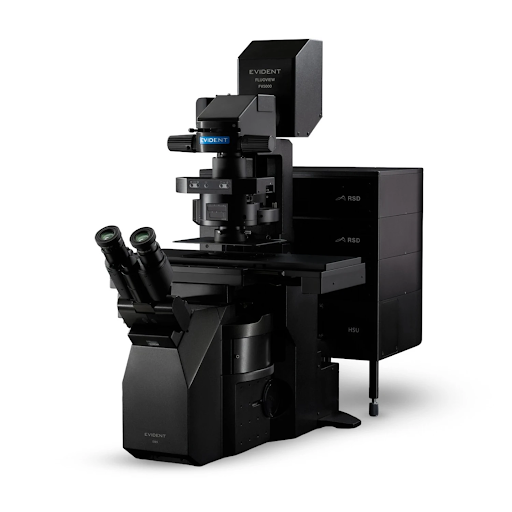

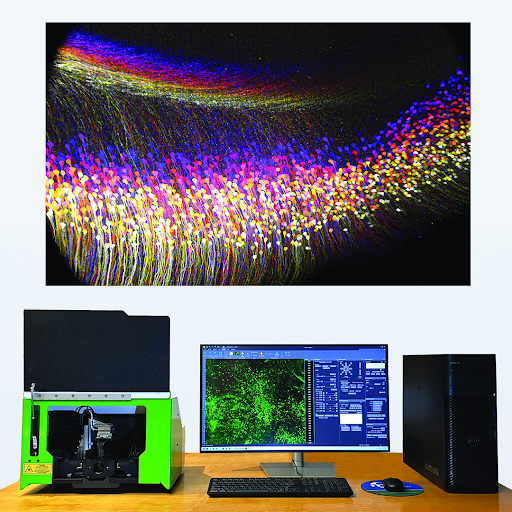
ADS Biotec, Euroclone, Abbott & ASI provide automation solutions to help analyze lung cancer specimens in cytogenetics & pathology.
Overview of FISH Probes
In situ hybridization is done to identify nucleic acid sequences in DNA in tissue or cytological samples on chromosomes or whole mounts. There are various probes available for simple molecular assays in the context of anatomical pathology. FISH hybridization buffer is non toxic so that genomic DNA probes can be hybridized outside fume hoods in as little as 60-120 minutes. This fast process yields a TAT of about four hours from deparaffinization to mounting. The hybridizer instrument allows hands free denaturation & hybridization for semi automated fluorescence or chromogenic FISH/CISH on histology & cytology slides.
Available FISH probes include:
– Abbott Vysis/NeoDX CyFISH/Agilent SureFISH have the FISH probes e.g. EGFR, ALK, RET, ROS1, MET, KRAS, BRAF, EML4, CARS, PIK3CA, SOX2, NTRK(1-3), NRG1, FGFR(1-3), KIF5B, ERBB2.
Probes targeting Solid tumors
DNA FISH probe technology is used to detect genetic abnormalities in solid tumors and is useful in the diagnosis of cancer. Vysis, CyFISH & SureFISH offer complete direct labeled DNA probes in solid tumors & are available as single color, multi color probes to identify deletions, gains, translocations of specific solid tumors in different samples that can be metaphase or interphase analysis. These probes look for cases like Barrett’s esophagus, gliomas & lung cancer.
Why choose DSS Imagetech’s Lung cancer solutions?
DSS Imagetech’s focus is on innovation, quality assurance & customer satisfaction by marrying advanced molecular diagnostics with genomics & imaging technologies to help healthcare professionals in India. The scope of lung cancer diagnosis and treatment will be a matter of early diagnosis and tailored treatments for lung cancer patients. For researchers, clinicians & diagnostic labs that require state of the art diagnostic tools & genomic profiling for lung cancer, DSS Imagetech is a reliable partner that is expert & can be used to bring affordable products to India’s healthcare system.
Conclusion
The lung cancer disease burden in India mirrors global trends of high incidence & mortality but is compounded by unique challenges such as late stage diagnosis, lack of advanced diagnostics & healthcare infrastructure.
While lung cancer is still the leading cause of cancer deaths worldwide, India faces additional challenges due to demographic, behavioral & environmental risk factors specific to its population.
Delays in detection due to asymptomatic early stages & insufficient screening are the major determinants of poor outcomes worldwide & in India.
Advances in technology such as artificial intelligence & computer-aided diagnosis systems & increased cancer screening programs are going to be applied to early detection & treatment & it is possible to make the diagnosis & treatment more effective.
The reduction of lung cancer burden would depend on a comprehensive approach towards access to care, education about cancer, prevention strategies (e.g. tobacco control) & investment in healthcare infrastructure.
Collaborative efforts to address demographic & regional heterogeneity to incorporate new technologies & to implement inclusive public health programs will be necessary to curb lung cancer’s impact & increase patient survival both in India and globally.
References:
- Klaus Kayser, Zdravko Kosjerina, Torsten Goldmann, Gian Kayser, Bernd Kazmierczak, Ekkehard Vollmer, Lung carcinoma-associated atypical adenomatoid hyperplasia, squamous cell dysplasia, & chromosome alterations in non-neoplastic bronchial mucosa, Lung Cancer, Volume 47, Issue 2,2005, Pages 205-214, ISSN 0169-5002,https://doi.org/10.1016/j.lungcan.2004.07.042. (https://www.sciencedirect.com/science/article/pii/S0169500204003605)
- Pop-Bica C, Ciocan CA, Braicu C, Haranguș A, Simon M, Nutu A, Pop LA, Slaby O, Atanasov AG, Pirlog R, et al. Next-Generation Sequencing in Lung Cancer Patients: A Comparative Approach in NSCLC & SCLC Mutational Landscapes. Journal of Personalized Medicine. 2022; 12(3):453. https://doi.org/10.3390/jpm12030453
- Thompson, S.L., Compton, D.A. Chromosomes & cancer cells. Chromosome Res 19, 433–444 (2011). https://doi.org/10.1007/s10577-010-9179-y
- Kurtis D. Davies, Aprille Lomboy, Carolyn A. Lawrence, Michael Yourshaw, Gregary T. Bocsi, D. Ross Camidge, Dara L. Aisner, DNA-Based versus RNA-Based Detection of MET Exon 14 Skipping Events in Lung Cancer, Journal of Thoracic Oncology, Volume 14, Issue 4, 2019, Pages 737-741, ISSN 1556-0864, https://doi.org/10.1016/j.jtho.2018.12.020. (https://www.sciencedirect.com/science/article/pii/S1556086419300073)
- R. Vashistha, A. Gulzar, P. Kundu, P. Sharma, M. Brunstein, and V. Vegh, “The potential role of AI agents in transforming nuclear medicine research and cancer management in India,” arXiv preprint arXiv:2503.07673, 2025. Available: https://arxiv.org/abs/2503.07673
- Images chosen from PubMed, Google Scholar, Web of Science.
About the Writer

Mr. Jaywant Chauhan is the Deputy Manager – Application & Product Integrated Diagnostics Division at DSS Imagetech, with over 12 years of experience in Cytogenetics. He has worked across leading diagnostic institutions in India, gaining extensive expertise in FISH, Karyotyping & Chromosomal Microarray (CMA). Jaywant is Abbott Vysis FISH certified & specializes in diverse areas including constitutional & cancer genetics, prenatal diagnostics, stem cell genetics & IVF related testing. He is highly skilled in handling complex sample types & applying molecular techniques such as PCR, Sanger sequencing. Known for his strong subject & application knowledge, he focuses on optimizing laboratory workflows & ensuring high diagnostic accuracy, supporting clinicians & researchers in delivering reliable, clinically relevant results.
FAQ’s :-
1. Explain the primary types of lung cancer?
The two main forms are:
a) NSCLC (Non-Small Cell Lung Cancer) (about 85% cases). It will grow more slowly.
b) SCLC (Small Cell Lung Cancer) which is more aggressive.
2. How does molecular cytogenetics play a role in lung cancer management?
Molecular cytogenetics is essential for the detection, diagnosis & treatment of gene mutations, chromosomal abnormalities e.g. FISH, CGH & NGS techniques.
3. In what ways does NGS play a role in treatment planning?
NGS provides a data analysis of tumor DNA/RNA to detect mutations & gene fusions. These detailed analysis allow the development of personalized treatment strategies.
4. What is the benefit of Real-Time PCR kits?
These kits provide fast & sensitive detection of specific oncogene mutations, fusion genes to determine appropriate therapy recommendations.
5. What is the PDL1 IHC 22C3 pharmDx assay?
This IHC test assesses PDL1 levels within tumors to inform treatment decisions for immunotherapy drugs like pembrolizumab.
Latest Articles
Think Fungal: The Infection We Often Miss
BY Megha Dhumal, Product Specialist 18th September 2026
Fungal Disease Awareness Week | 14–18 September 2026 2026 marks the 10th Annual Fungal Disease Awareness Week, highlighting a decade of efforts to raise awareness of fungal diseases and their...
Read More
Super-Resolution Microscopy: Upgrading to Abberior STEDYCON for Advanced Research
BY Dr. Anirban Bose (Ph.D.) Product & Application, Manager 5th September 2026
No matter how high-end your conventional fluorescence or confocal microscope is, there is a hard ceiling that eventually becomes incredibly frustrating. You could be trying to get a clear look...
Read More
How to Choose the Right Research Microscope
BY DSS Imagetech Pvt Ltd 14th August 2026
You’re standing there with a procurement form and a budget number. Someone circled in red, and down the hall a colleague is muttering that their old scope “still works fine,...
Read More