DSS: Redefining Biotechnology & Life Science in India






























Impact of Pollution on fertility
Pollution is a serious threat to human health. It’s linked to an increased risk of cancer, cardiovascular disease, and respiratory problems. For example, air pollutants may serve as endocrine disruptors, enhance oxidative stress, and cause genotoxicity.
In addition, new studies by researchers published in recent years suggest that air pollution may harm reproductive health. We come into contact with a variety of chemicals in our modern lives through the goods we use, the food we consume, and the air we breathe. Endocrine-disrupting chemicals (EDCs) are a type of chemical that has been shown in studies to have harmful impacts on female and male reproductive health.
What are endocrine-disrupting chemicals?
EDCs are compounds found in the environment, such as air, soil, water, food, and manufactured goods. They can disrupt the body’s regular functioning, including women’s and men’s reproductive systems. Some EDCs are found in foods. More worrying is the presence of about 800 synthetic EDCs in daily items such as food containers, plastics, personal care products, and food products. We are all exposed to EDCs because of their many and varied sources, albeit the extent of your exposure varies based on your profession, lifestyle choices, and geography.
What exactly do EDCs do?
By mimicking or inhibiting male and female sex hormones, they can have harmful impacts on male and female reproductive health. Changes in hormone levels, decreased sperm and egg quality, DNA damage in sperm, longer menstrual cycles, a longer time to get pregnant, a higher risk of miscarriage, and earlier menopause can all result from this.
According to studies, EDCs are found in 95% of people examined, and infertile people have greater levels of several EDCs. Higher levels of some EDCs, for example, reduce the chances of getting pregnant in couples who use assisted reproductive technology (ART).
To get an overview of ART equipment, click here, ESCO Medical.
Types of EDC & their sources:
| Chemicals | Source |
|---|---|
| Bisphenols (BPA/BPS/BPF) | It’s often used in plastic items, container linings, and sales receipts printed on glossy paper. |
| Phthalates | Toys, footwear, food packaging, medical plastic tubing, and personal care products all contain this additive, which increases the flexibility and durability of plastics. |
| Parabens | ‘s found in food, cosmetics, and personal care items as a preservative and in antibacterial products. |
| Persistent Organic Pollutants (POPs) | It’s present in flame retardants in furniture and is used in electrical equipment and industrial lubricants, as well as byproducts of industrial activities such as metal and paper manufacture, wood incineration, and heating polymers. |
| Pesticides, herbicides, and insecticides | Insecticides are sprayed on many food products and crops. |
| Heavy metals (e.g. aluminium, arsenic, cadmium, chromium, lead, mercury) | Smoking, air pollution, dental fillings, contaminated food and drink, and contact with fuel, industrial, and domestic goods are all sources of exposure. |
How to reduce exposure
While we can’t completely prevent being exposed to EDCs, we can take some basic actions to minimize our exposure:
- Fruits and vegetables should be thoroughly washed.
- Eating fewer processed, canned, and prepackaged foods reduces your intake of BPA, phthalates, and plasticizers.
- Limit your consumption of fatty fish (salmon, tuna, sardines) and fatty meats.
- Avoid handling sales receipts or keeping them in your wallets.
- Avoid deodorants, smoke, harsh chemicals, heavily scented products, plastic smells, and fumes.
- Avoid using pesticides and herbicides in the garden, at work, or at home.
Latest Articles
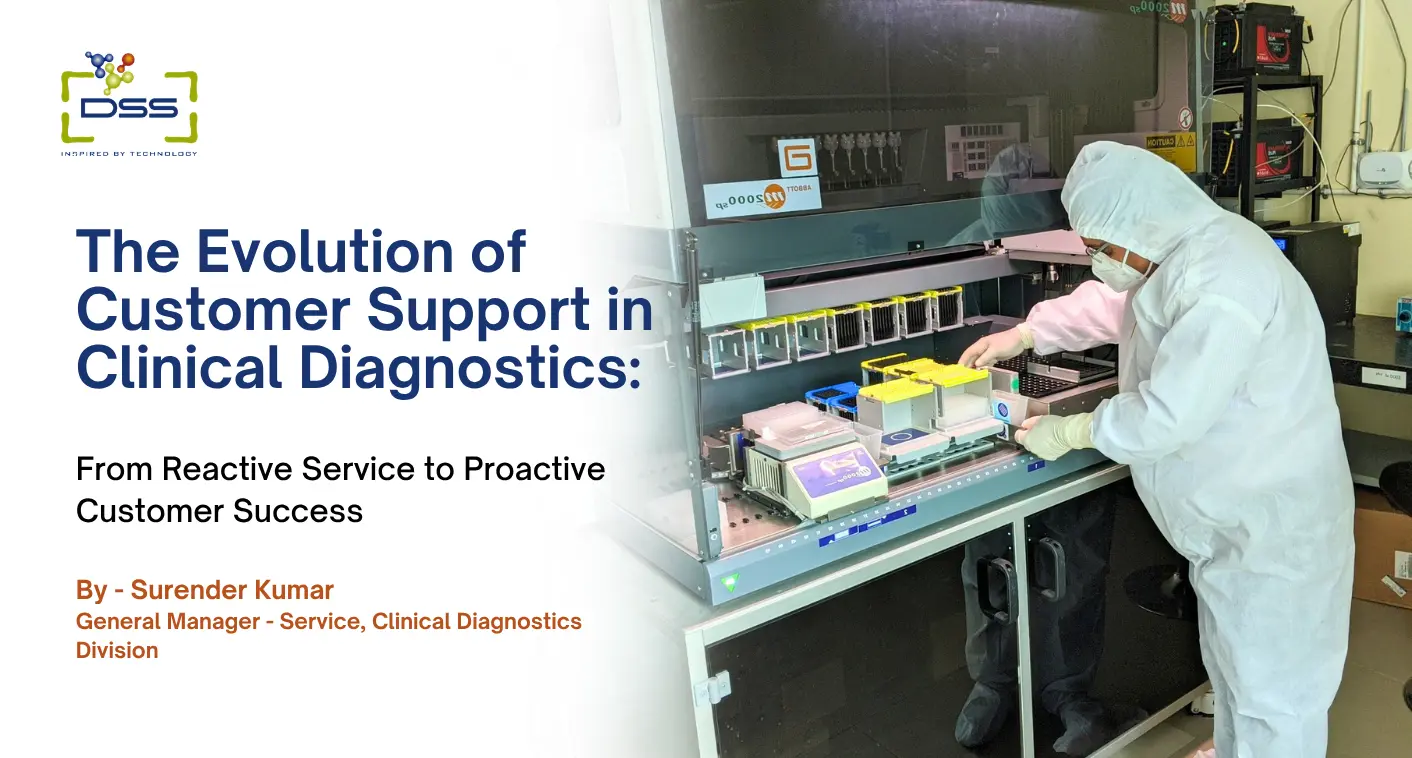
The Evolution of Customer Support in Clinical Diagnostics
BY Surender Kumar | General Manager – Service, Clinical Diagnostics Division 23rd July 2026
How Customer Expectations Have Changed Over the Last 20 Years “Customer Support is no longer a cost center—it is a competitive advantage.” Twenty years ago, customer support was primarily viewed...
Read More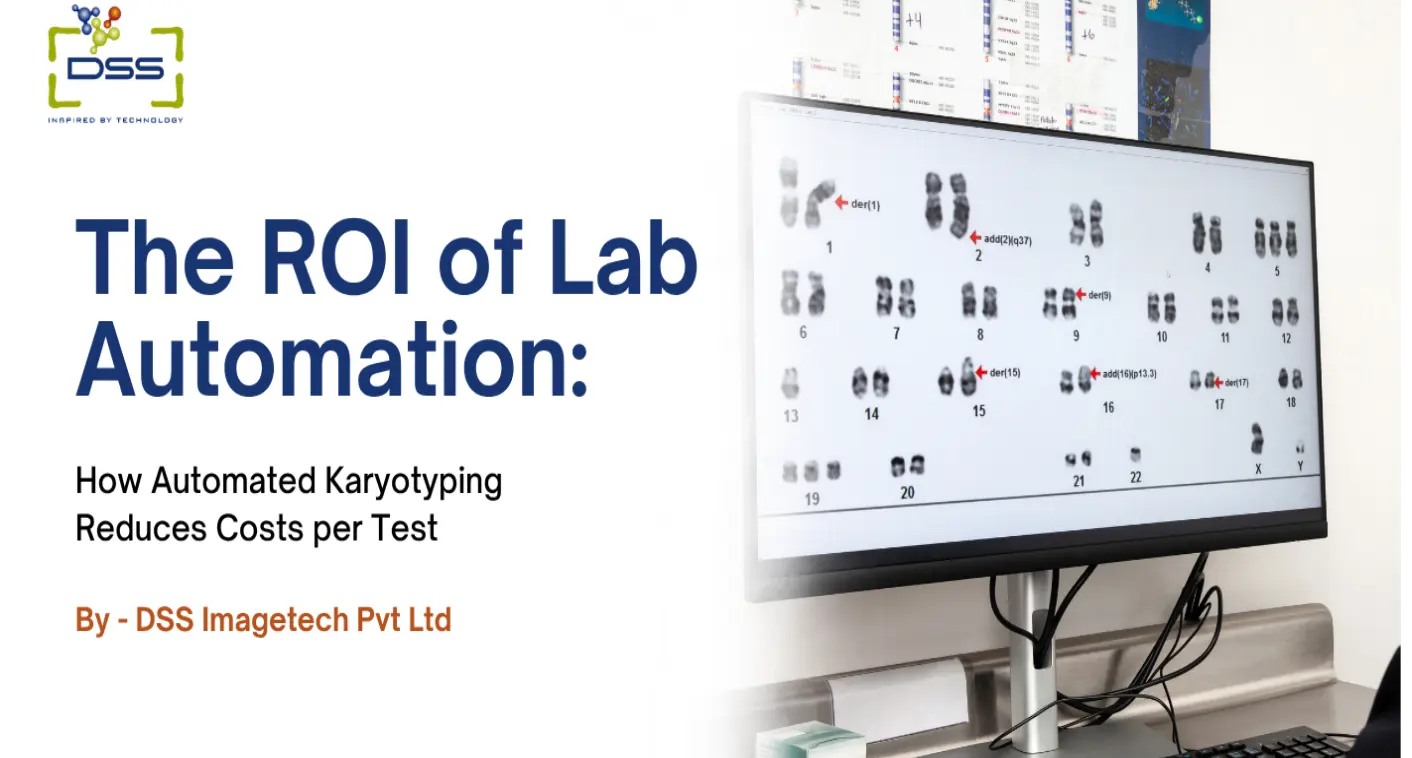
The ROI of Lab Automation: How Automated Karyotyping Reduces Costs...
BY DSS Imagetech 13th July 2026
If you walk into almost any cytogenetics lab across India right now, you’ll probably hear the exact same complaint. Lab directors are staring at their monthly numbers, calculating just how...
Read More
Journey from Manual Testing to Automation powered by AI &...
BY Mr. Mahesh Semwal, Deputy General Manager (DGM) 29th June 2026
The diagnostics industry has witnessed a tremendous transformation over the last 25–30 years. Those who have been part of this journey have seen how diagnostics laboratories have moved from intensive...
Read More