DSS: Redefining Biotechnology & Life Science in India



























 0
Women@work
According to several polls conducted internationally, a substantial number of working women in India have been severely impacted in some way as a result of the work-life balance had worsened due to extended work hours and a work-from-home setup during the COVID-19 pandemic.
“My child became accustomed to taking online classes and sending his homework after 6–7 months, which allowed us to leave him alone in his studies. For a few months, household tasks were also a burden because maids were not coming. To complete all of the chores, I had to get up really early. I used to get some assistance from my husband, but after the maids rejoined work, it became more beneficial.”
“It was really hard to initially manage both work and home, but later on, it became smooth. It was a struggle to manage house chores (without a maid), the child, her studies, and the office all at the same time.”
We floated a survey questionnaire to all DSS women colleagues in order to better understand their work-life balance and the influence of COVID-19 on their personal and professional lives.
Because people have been working from home for a long time, there may be a significant communication gap between coworkers, but unexpectedly, 50 percent and 30 percent of respondents indicated that there is little or no gap between them. There could be a variety of causes for this, the most important of which could be technology – virtual meetings using applications like Zoom, Google Meet, and others.
“During the pandemic, my family and my colleagues both became the strongest bonds. For that, I really want to thank God from the bottom of my heart.”
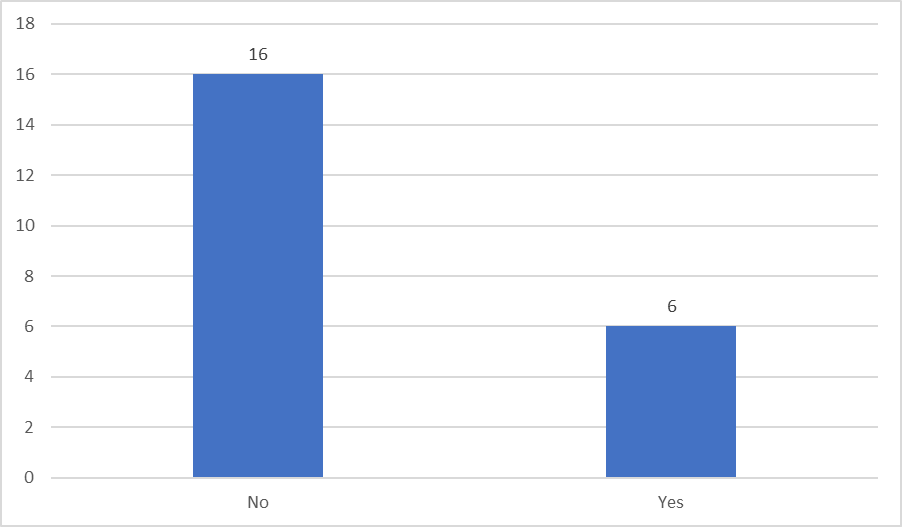
In addition, in line with the preceding criterion, approximately 73 percent of our female employees claim they have had little or no difficulty managing work-from-home, but when some of them or a family member is afflicted with COVID, it becomes fairly difficult for them to manage things.
“I was unable to rest when I was infected, first by Delta and then by Omicron. Despite the fact that I was really ill, I had to manage both my home and office. That is when balancing felt really difficult.”
“My mother passed away during the first wave of the pandemic. During the second wave, many of our close relatives, including my husband’s brother-in-law, passed away.”
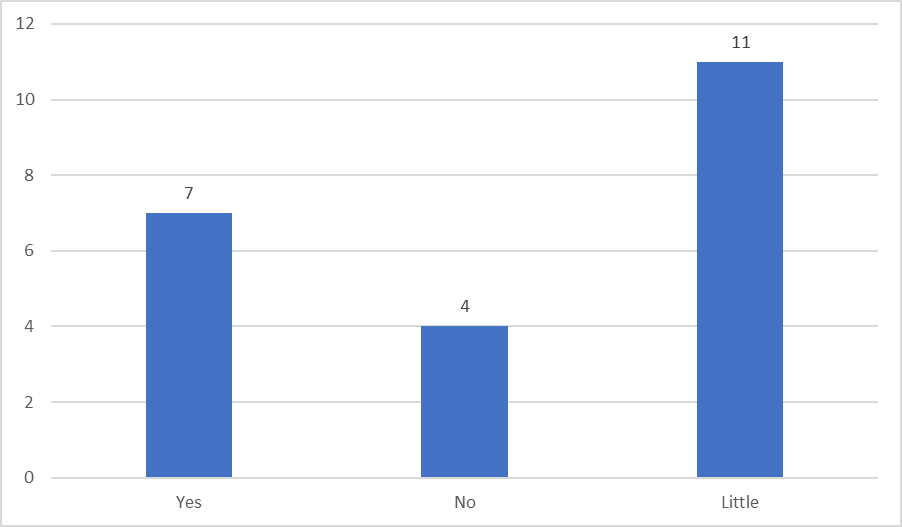
Working from home has become increasingly popular among women employees. While it is unrealistic to expect traditional workplaces to vanish entirely, the hybrid office concept is likely to become the new norm.
“It is tough for me to come on a daily basis because I am responsible for my son alone.”
“Because things are proceeding this way (partial office and partly WFH), it is ideal for me, as I occasionally have troubles with the child’s caretaker.”
Respondents with caregiving responsibilities reported that only 30-40% of childcare or care for other family members was their responsibility, prior to the pandemic. However, that percentage has risen to about 90% post. Those with caregiving responsibilities also stated that they had taken on additional tasks such as virtual schooling and caring for other dependents, which had harmed their personal balance!
Along with having to adapt their daily lives in significantly different ways, many women are also concerned about the impact the pandemic could have on their career progression, both in the short and long term. COVID-19 has had a negative impact on nearly half of the respondents’ career advancement opportunities, according to nearly half of the respondents.
On a positive note, a majority of respondents said they are motivated by keeping a positive mindset and having good discussions with their loved ones to keep them going during pandemic time as well as beyond that.
“There were times when I was really lost, really needed someone’s shoulder to cry on, but talking to parents, playing with children, trying my hands at stitching and cooking (new dishes which I had never tried earlier) and, above all, ignoring negative comments were the things that got me through the difficult times.”
Finally, we would like to say, as one of our colleagues said,
“Every woman is special, so please do take care of yourself along with your responsibilities. Spread happiness as much as possible. If you are fine, then your family will also be fine.”
Latest Articles

Why Controlled Carbon Dioxide Conditions Matter in Cell Culture Resear
BY DSS Imagetech Pvt Ltd 13th November 2026
If you’ve grown cells in DMEM, you’ve probably pulled out a flask at some point and found the medium purple-pink instead of its usual orange-red. The cells were fine the...
Read More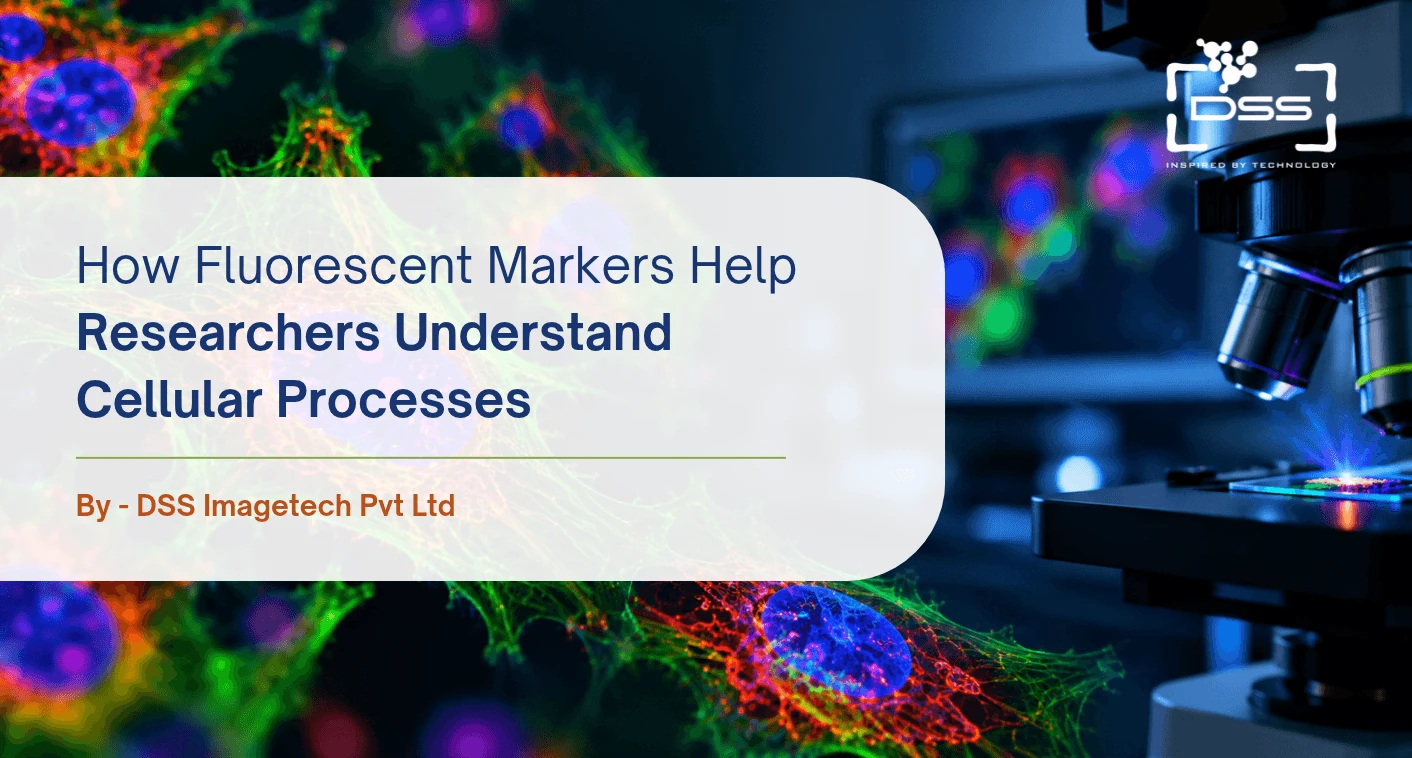
How Fluorescent Markers Help Researchers Understand Cellular Processes
BY DSS Imagetech Pvt Ltd 23rd October 2026
Put a living cell under a normal microscope, and honestly, it’s a bit of a letdown. You get a pale blob. Maybe a darker blob inside it, if the lighting’s...
Read More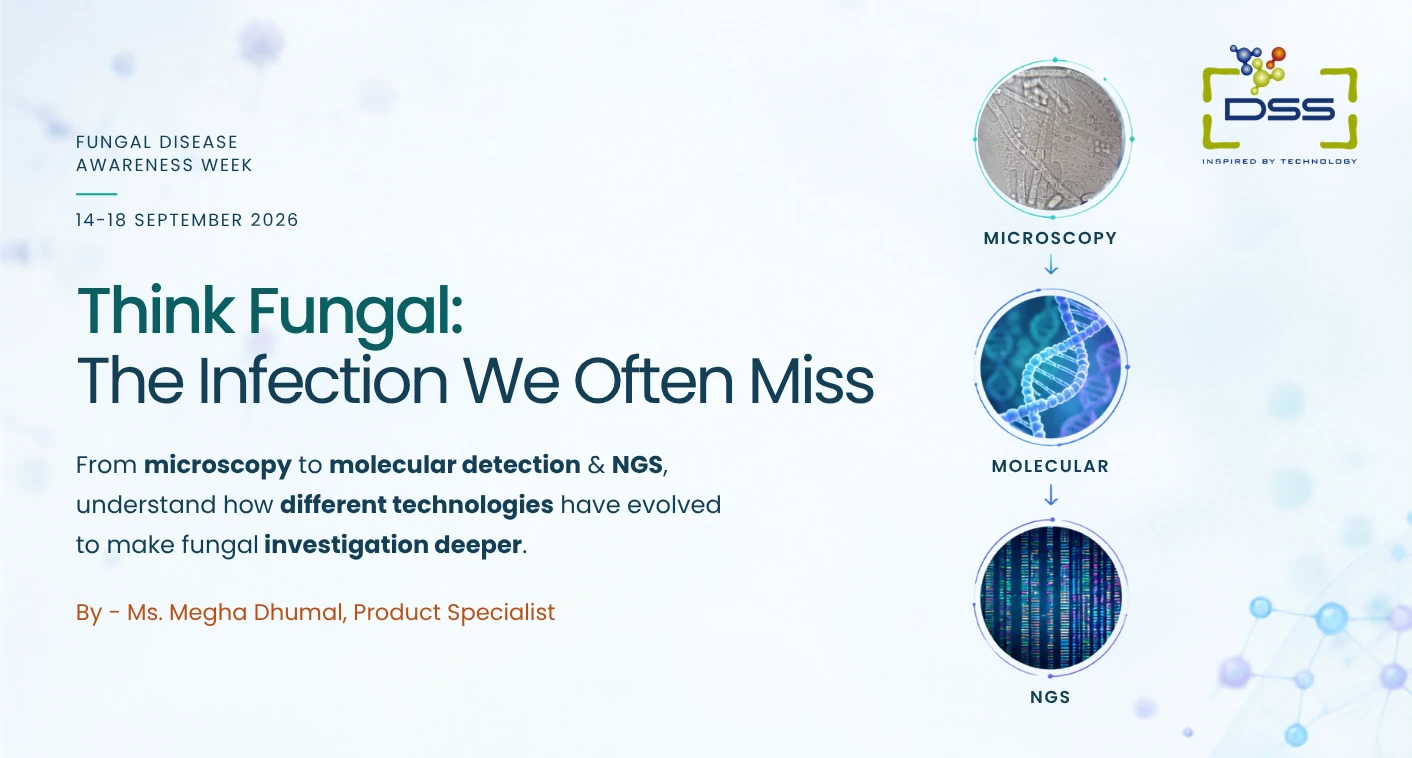
Think Fungal: The Infection We Often Miss
BY Megha Dhumal, Product Specialist 18th September 2026
Fungal Disease Awareness Week | 14–18 September 2026 2026 marks the 10th Annual Fungal Disease Awareness Week, highlighting a decade of efforts to raise awareness of fungal diseases and their...
Read More