DSS: Redefining Biotechnology & Life Science in India






























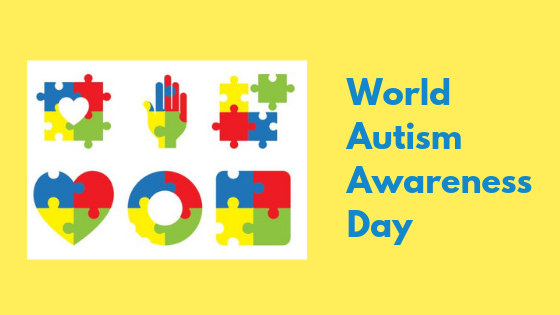
World Autism Awareness Day
Autism, or autism spectrum disorder (ASD), refers to a broad range of conditions characterized by challenges with social skills, repetitive behaviors, speech, and nonverbal communication.
Autism is not one type but many subtypes, most influenced by a combination of genetic and environmental factors. Because Autism is a spectrum disorder, each person with autism has a distinct set of strengths and challenges. The ways in which people with autism learn, think and problem-solve can range from highly skilled to severely challenged. Some people with ASD may require significant support in their daily lives, while others may need less support and, in some cases, live entirely independently.
Autism is associated with a combination of genetic and environmental factors. Several factors may influence the development of autism, and it is often accompanied by sensory sensitivities and medical issues such as gastrointestinal (GI) disorders, seizures or sleep disorders, as well as mental health challenges such as anxiety, depression and attention issues.
Indicators of autism usually appear by age 2 or 3. Some associated development delays can appear even earlier, and often, it can be diagnosed as early as 18 months. Research shows that early intervention leads to positive outcomes later in life for people with autism.
Early speech therapy or behavioral interventions can help children with autism gain self-care, social, and communication skills. Although there is no known cure, there have been cases of children who recovered. Not many children with autism live independently after reaching adulthood, though some are successful. An autistic culture has developed, with some individuals seeking a cure and others believing autism should be accepted as a difference and not treated as a disorder.
Diagnosing autism spectrum disorder (ASD) can be difficult, since there is no medical test, like a blood test, to diagnose the disorders. Doctors look at the child’s behavior and development to make a diagnosis. ASD can sometimes be detected at 18 months or younger.
Diagnosing an ASD takes two steps:
- Developmental Screening
- Comprehensive Diagnostic Evaluation
Developmental Screening
Developmental screening is a short test to tell if children are learning basic skills when they should, or if they might have delays. During the developmental screening, the doctor might ask the parent some questions or talk and play with the child during an exam to see how she learns, speaks, behaves, and moves. A delay in any of these areas could be a sign of a problem.
Comprehensive Diagnostic Evaluation
The second step of diagnosis is a comprehensive evaluation. This thorough review may include looking at the child’s behavior and development and interviewing the parents. It may also include a hearing and vision screening, genetic testing, neurological testing, and other medical testing.
In some cases, the primary care doctor might choose to refer to the child and family to a specialist for further assessment and diagnosis. Specialists who can do this type of evaluation include:
- Developmental Pediatricians (doctors who have special training in child development and children with special needs)
- Child Neurologists (doctors who work on the brain, spine, and nerves)
- Child Psychologists or Psychiatrists (doctors who know about the human mind)
Latest Articles
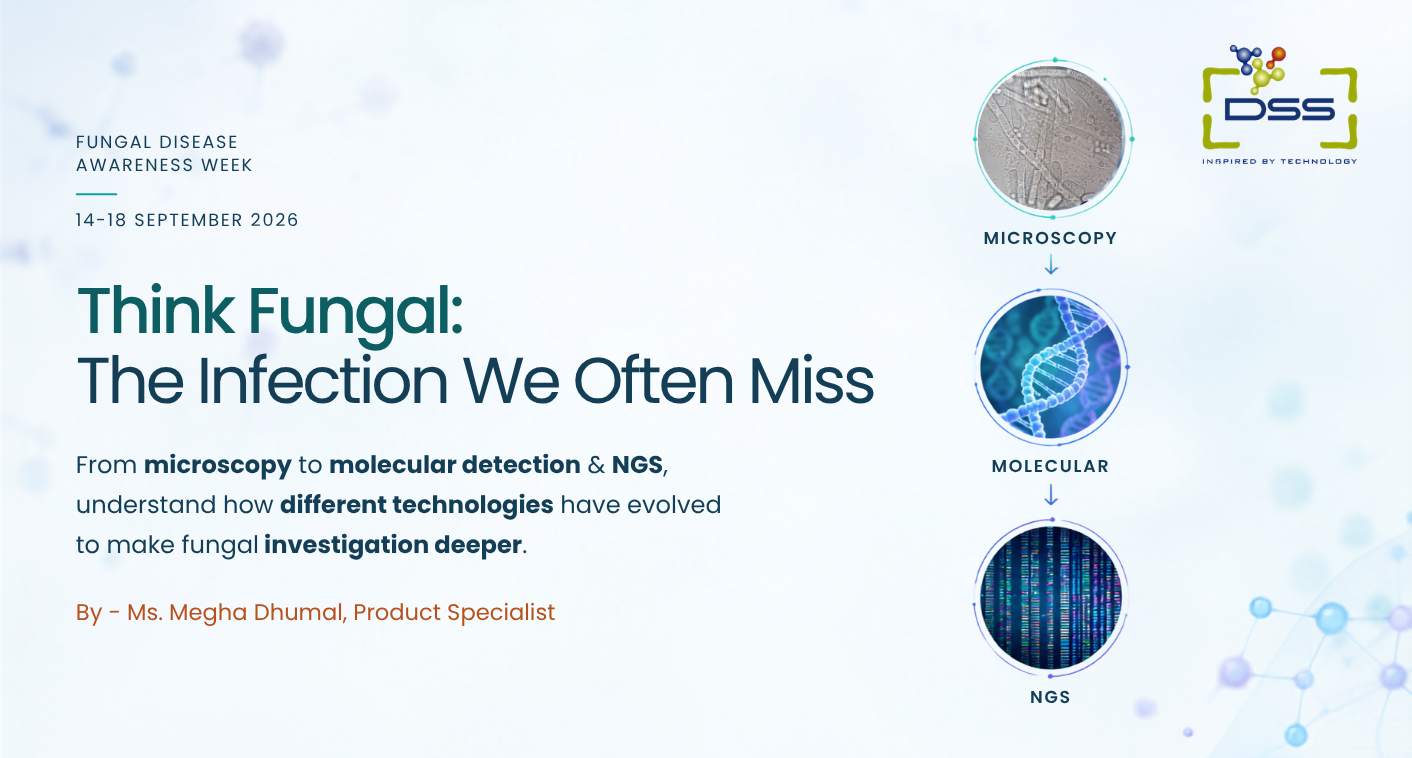
Think Fungal: The Infection We Often Miss
BY Megha Dhumal, Product Specialist 18th September 2026
Fungal Disease Awareness Week | 14–18 September 2026 2026 marks the 10th Annual Fungal Disease Awareness Week, highlighting a decade of efforts to raise awareness of fungal diseases and their...
Read More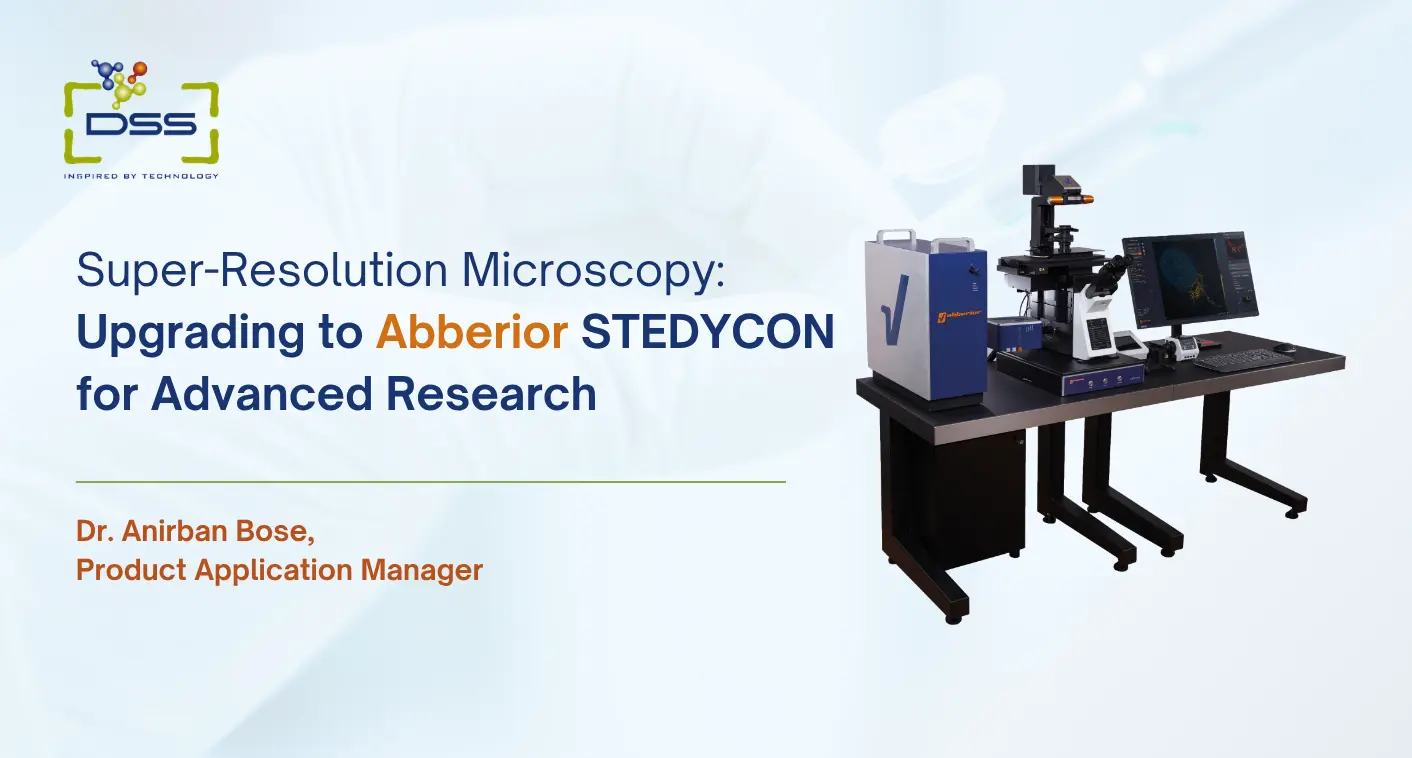
Super-Resolution Microscopy: Upgrading to Abberior STEDYCON for Advanced Research
BY Dr. Anirban Bose (Ph.D.) Product & Application, Manager 5th September 2026
No matter how high-end your conventional fluorescence or confocal microscope is, there is a hard ceiling that eventually becomes incredibly frustrating. You could be trying to get a clear look...
Read More
How to Choose the Right Research Microscope
BY DSS Imagetech Pvt Ltd 14th August 2026
You’re standing there with a procurement form and a budget number. Someone circled in red, and down the hall a colleague is muttering that their old scope “still works fine,...
Read More