DSS: Redefining Biotechnology & Life Science in India






























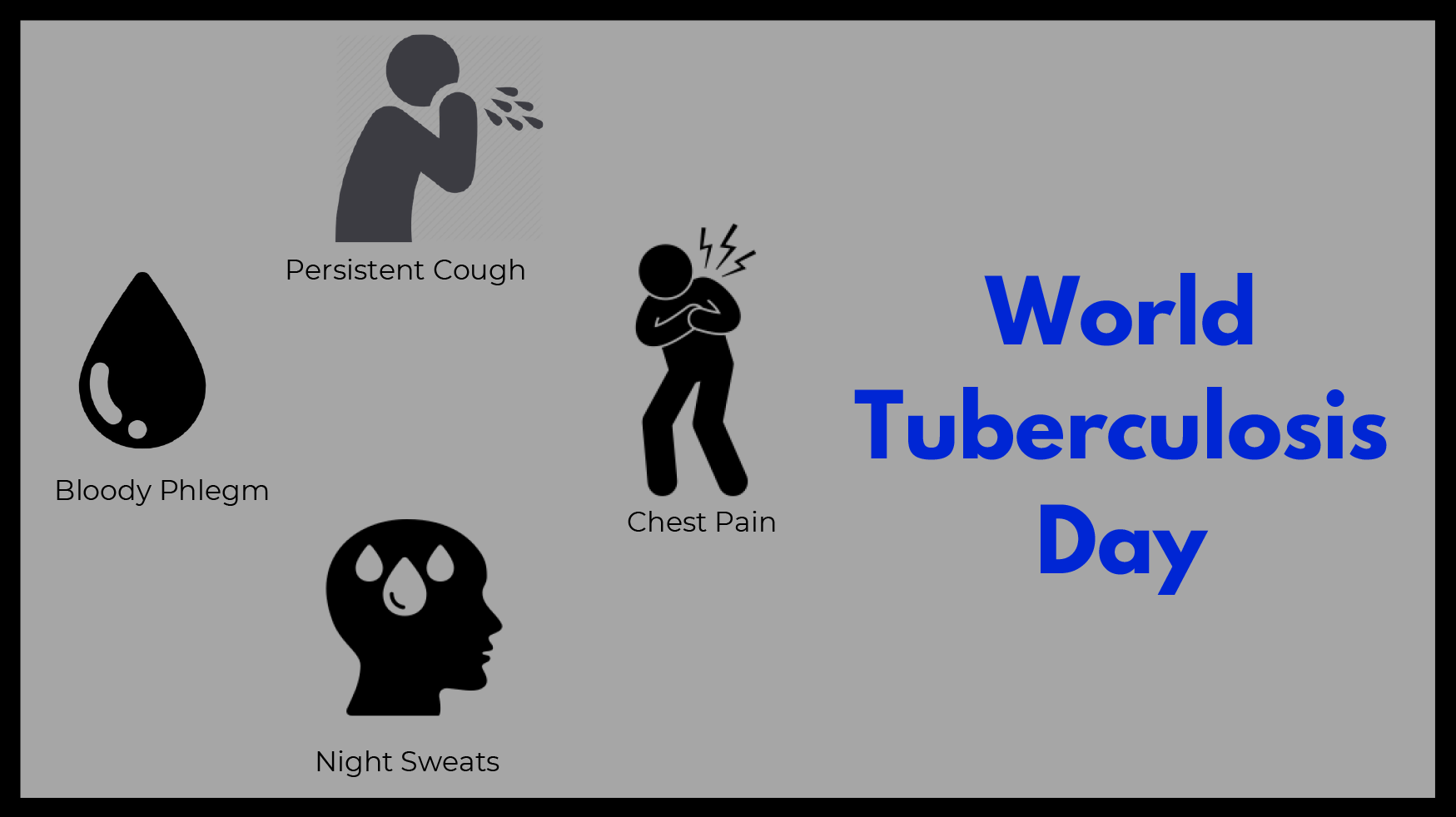
Challenges in Diagnosis of TB in low resource settings and developing countries like India? Find, Treat and End TB.
Tuberculosis, commonly known as TB, caused by bacterium called Mycobacterium tuberculosis. Prolonged treatment, high pill burden, low compliance, and stiff administration schedules are factors that are responsible for emergence of MDR and XDR cases of tuberculosis.
Tuberculosis. If this word evokes the image of a person coughing his lungs out due to Mycobacterium tuberculosis (MTB) (bacterial) infection, then you are partially correct. MTB not only affects lungs but can also reach other parts of your body and cause the “extrapulmonary form” of TB. One such type of extrapulmonary TB is Female Genital TB (FGTB). With an incidence of up to 30% in India it often results in infertility. So, this year, on world TB day, our efforts to educate women about FGTB (1).
According to WHO, Tuberculosis (TB) is one of the top 10 causes of death worldwide. Over 95% of TB deaths occur in low- and middle-income countries. World TB Day celebrated on 24 March each year, is an opportunity to raise awareness about the burden of tuberculosis (TB) worldwide and the status of TB prevention and care efforts.
Impact of Tuberculosis on human life was continued to be so devastating that in 1993 the World Health Organization (WHO) declared that TB as a global emergency; the first time that a disease had been labeled as such. TB affects all age groups and all parts of the world. However, the disease mostly affects young adults, and people living in developing countries. This disease is an important cause of infertility, menstrual irregularity, pregnancy loss, and in association with pregnancy, morbidity to both the mother and child increases. The exact incidence of tuberculosis in pregnancy is not readily available in many countries due to a lot of confounding factors. It is, however, expected that the incidence of tuberculosis among pregnant women would be as high as in the general population, with possibly higher incidence in developing countries.
Tuberculosis (TB) is a top infectious disease killer worldwide. Tuberculosis is an airborne disease meaning that bacteria cause this disease spreads through air. When an infected person coughs, sneezes, speaks, laughs etc, bacteria spread in air and the people nearby may breathe in theses bacteria and become infected. TB is spread most easily in closed spaces over a long period of time.
People with latent infection will not impose threat to other people. But when latent infection converted to active TB because of impaired immune system can spread disease to others. The TB bacteria usually attack the lungs, but can also infect any part of the body such as kidney, spine,brain and endometrium.
There are two main types of TB: a) Latent TB and b) active TB. In latent TB, the TB bacteria remain in the body in an inactive state. They cause no symptoms and are not contagious, but they can become active. In active TB, the bacteria do cause symptoms and can be transmitted to others. As active TB poses grave maternal and perinatal risks, early, appropriate and adequate anti-TB treatment is a mainstay for successful pregnancy outcome.
Multi-drug-resistant tuberculosis (MDR-TB) and extensively drug-resistant TB (XDR-TB): About 3.7% of new tuberculosis cases have MDR-TB. It is defined as TB that is resistant to at least 2 most powerful first-line treatment anti-TB drugs (isoniazid and rifampicin). Drug resistance occurs primarily because of improper treatment of standard TB, but resistant strains are also being spread from person-to-person. According to WHO 480000 people developed multi drug resistant tuberculosis (MDR-TB) in the world in 2014. Cases of tuberculosis that are resistant to virtually all drugs currently available (XDR-TB) are increasing at an alarming rate around the world. These cases are particularly difficult and expensive to both diagnose and treat, factors that lead to a major treatment access gap.
Till date, only BCG vaccine is available which is ineffective against adult pulmonary TB, which is the most common form of disease. Various unique antibodies have been developed to overcome drug resistance, reduce the treatment regimen, and elevate the compliance to treatment. Therefore, we need an effective and robust system to subdue technological drawbacks and improve the effectiveness of therapeutic drugs which still remains a major challenge for pharmaceutical technology. Nanoparticle-based ideology has shown convincing treatment and promising outcomes for chronic infectious diseases (1).
The biggest challenge is to how to diagnose the TB in low resource settings and developing countries like India?
Diagnosing genital tuberculosis remains a challenge due to varied clinical presentation, paucibacillary nature of infection, and lack of sensitive and specific laboratory test. Each test used to diagnose genital tuberculosis has its own limitations. Definite diagnosis is made by histopathology and culture, but both have low sensitivity due to paucibacillary nature of the disease. No single test is diagnostic stand‑alone. Diagnosis is usually made depending on collective evidence from high index of clinical suspicion, serology, histopathology, imaging techniques, and direct visualization on endoscopy (2).
Trained laboratory technicians look at sputum samples under a microscope to see if TB bacteria are present. Molecular assays based on nucleic acid amplification techniques such as polymerase chain reaction (PCR) have been developed for rapid TB diagnosis and are being implemented in developing countries.
A commercial molecular assay Loopamp MTBC Detection Kit based on loop-mediated isothermal amplification for the detection of Mycobacterium tuberculosis complex (TB-LAMP). TB-LAMP is a manual assay that requires less than one hour to perform and can be read with the naked eye under ultraviolet light. WHO recommends that TB-LAMP can be used as a replacement for microscopy for the diagnosis of pulmonary TB in adults with signs and symptoms of TB.
DSS has a range of solutions for mycobacterium tuberculosis covering different techniques including microscopy, LAMP and in vitro polymerase chain reaction.
MTB can be detected via smear microscopy. DSS provides Olympus microscopes for this purpose. As an alternative, LAMP technology can be used in resource-limited settings. DSS can provide Human TB Lamp instrument (HumaLoop T) and reagents at affordable prices and low throughput (16 samples throughput). TB-LAMP is a failsafe solution for peripheral microscopy centers.
“Loop-mediated isothermal amplification (LAMP) is a unique, temperature-independent technique for amplifying DNA that is simple to use, providing a visual display that is easy to read; additionally, the technique is robust and can be used at peripheral health centers, where microscopy is performed.”
This WHO recommended TB-LAMP solution provides accurate results in smear+ and smear- patient samples. WHO Policy Guidance. The use of TB-LAMP for the diagnosis of pulmonary tuberculosis. August 2016.
In laboratories requiring high throughput, DSS has Real Time PCR based qualitative assays on MTB detection and drug resistance from Abbott Molecular. These assays are run on the FDA approved closed system from Abbott Molecular – m2000 systems (m2000sp and m2000rt).
- Abbott RealTime MTB assay (96 samples throughput) performs qualitative detection of MTB complex DNA in smear positive or smear negative samples (sputum, bronchial alveolar lavage and N-acetyl-L-cysteine (NALC)-prepared sediments), collected from tuberculosis suspected patients.
- Abbott RealTime MTB RIF/INH Resistance assay determines qualitative resistance within a single assay for two important first-line M.tuberculosis (TB) drugs.
The msystems have the added advantage of being able to be linked to mView and AbbottLink (Abbott’s remote diagnostics monitoring software.)
AbbottLink collects data from the m2000 system for analysis. It is a 24 hour real-time monitoring system. AbbottLink enables us to figure out the issues in the system, if any, before a service visit can be done which in turn speeds up the response time; whereas, mView allows one to actively track their m2000 system usage wherein the system information from AbbottLink is aggregated and displayed into a dashboard in a custom report or auto-generated archived. Thus DSS has solutions for MTB, ranging from detection to qualitative resistance.
According to World Health Organization “This World TB Day, March 24, 2019. WHO calls on governments, affected communities, civil society organizations, health-care providers, and national/international partners to unite forces under the banner Find. Treat. All. #EndTB to ensure no one is left behind.” It’s time for action! It’s time to End
TB., Let’s talk about it!
Corresponding Author: Md. Kausar Neyaz, Ph.D
References:
- Nasiruddin M, Neyaz MK, Das S. Nanotechnology-Based Approach in Tuberculosis Treatment. Tuberc Res Treat. 2017;2017:4920209. doi: 10.1155/2017/4920209. Epub 2017 Jan 22.
- Sharma R, Puri M. Extragenital tuberculosis and female infertility – Is there a correlation? A retrospective observational study. IVF Lite 2016;3:7-10. DOI: 10.4103/2348-2907.183439.
Latest Articles

Think Fungal: The Infection We Often Miss
BY Megha Dhumal, Product Specialist 18th September 2026
Fungal Disease Awareness Week | 14–18 September 2026 2026 marks the 10th Annual Fungal Disease Awareness Week, highlighting a decade of efforts to raise awareness of fungal diseases and their...
Read More
Super-Resolution Microscopy: Upgrading to Abberior STEDYCON for Advanced Research
BY Dr. Anirban Bose (Ph.D.) Product & Application, Manager 5th September 2026
No matter how high-end your conventional fluorescence or confocal microscope is, there is a hard ceiling that eventually becomes incredibly frustrating. You could be trying to get a clear look...
Read More
How to Choose the Right Research Microscope
BY DSS Imagetech Pvt Ltd 14th August 2026
You’re standing there with a procurement form and a budget number. Someone circled in red, and down the hall a colleague is muttering that their old scope “still works fine,...
Read More