DSS: Redefining Biotechnology & Life Science in India




























World Water Day – Water Borne Diseases
Water bodies cover more than 70% of the Earth’s surface. Water is an essential element of life. But it has a tendency to become lethal due to the contamination caused by pathogenic microorganisms which lead to the water borne diseases. Water-borne diseases are transmitted in contaminated fresh water. Humans are susceptible to these diseases as we consume water on a regular basis. The encounter can be during bathing, washing, drinking while preparing food, or the consumption of food thus infected.
Many pathogens are responsible for water borne diseases like Vibrio cholerae, Salmonella typhi, Hepatitis A, Shigella, Legionella, Escherichia coli O157:H7 and Campylobacter jejuni etc. According to the World Health Organization waterborne diseases account for an estimated 4.1% of the total global burden of diseases.
Typhoid infection is caused by Salmonella typhi. The main sources of infection are contaminated water or milk and food handlers who are carriers. The germs are passed from one person to another through the faeces and urine of infected people. People become infected by drinking water that has been contaminated by sewage containing the bacteria or after eating food or drinking beverages that have been handled by a person who is infected. Once the bacteria enter the person’s body they multiply and spread from the intestines, into the bloodstream. The symptoms of typhoid appear 10 to 14 days after infection; they can be mild or severe and include high fever, rose-coloured spots on the abdomen and chest, diarrhoea or constipation, and enlargement of the spleen and liver. In severe cases, if kept untreated it can practically affect every body system of the infected person.
Cholera is a potentially epidemic and life-threatening secretory diarrhea characterized by numerous, voluminous watery stools, often accompanied by vomiting, and resulting in hypovolemic shock and acidosis. Following an incubation period of 6 to 48 hours, the symptoms start. The disease runs its course in 2 to 7 days; the outcome depends upon the extent of water and electrolyte loss and the adequacy of water and electrolyte repletion therapy. Death can occur from hypovolemic shock, metabolic acidosis, and uremia resulting from acute tubular necrosis.
Hepatitis A virus usually transmits through food or water when one consumes something that has been exposed to faecal material from someone who has the virus. The degree of infection varies from person to person. Some people have a mild illness that lasts a few weeks while others have more severe problems that can last months.
The best way to protect oneself from these diseases is by drinking clean water and getting vaccinated. The proper sewage treatment plants can avoid these diseases from spreading widely. One should keep its surroundings clean and wash hands before eating anything.
Latest Articles

Evident CX vs BX Series: Choosing the Right Clinical Microscope...
BY DSS Imagetech Pvt Ltd 27th May 2026
Forget the spec sheets for a second. Think about your back at 4:00 PM on a Tuesday. Think about that one slide with the confusing cell structure that you’ve been...
Read More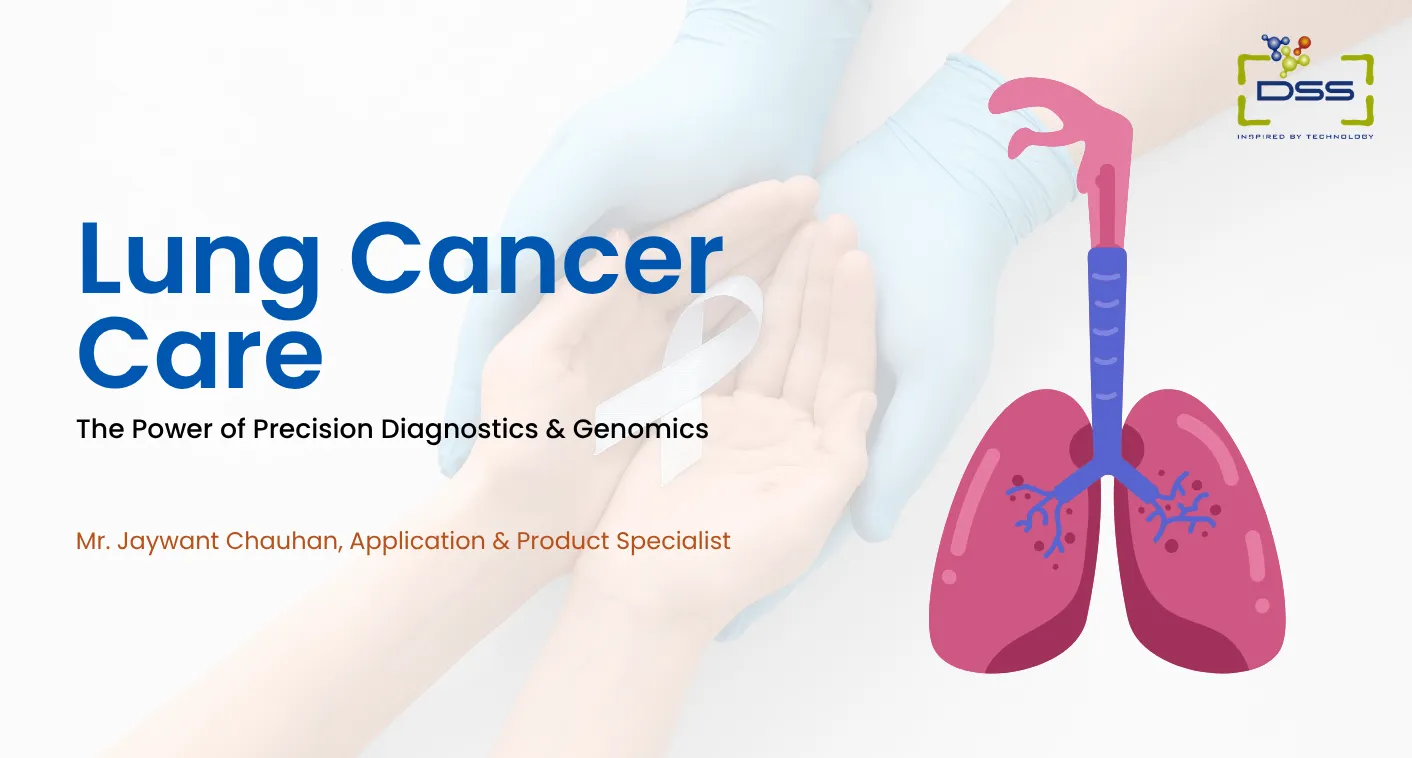
LUNG CANCER CARE: THE POWER OF PRECISION DIAGNOSTICS & GENOMICS
BY Mr. Jaywant Chauhan, Application & Product Specialist, DSS Imagetech 19th May 2026
Lung cancer today is among the most common & serious types of cancer in the world. It happens when abnormal cells in the lungs begin to grow in a way...
Read More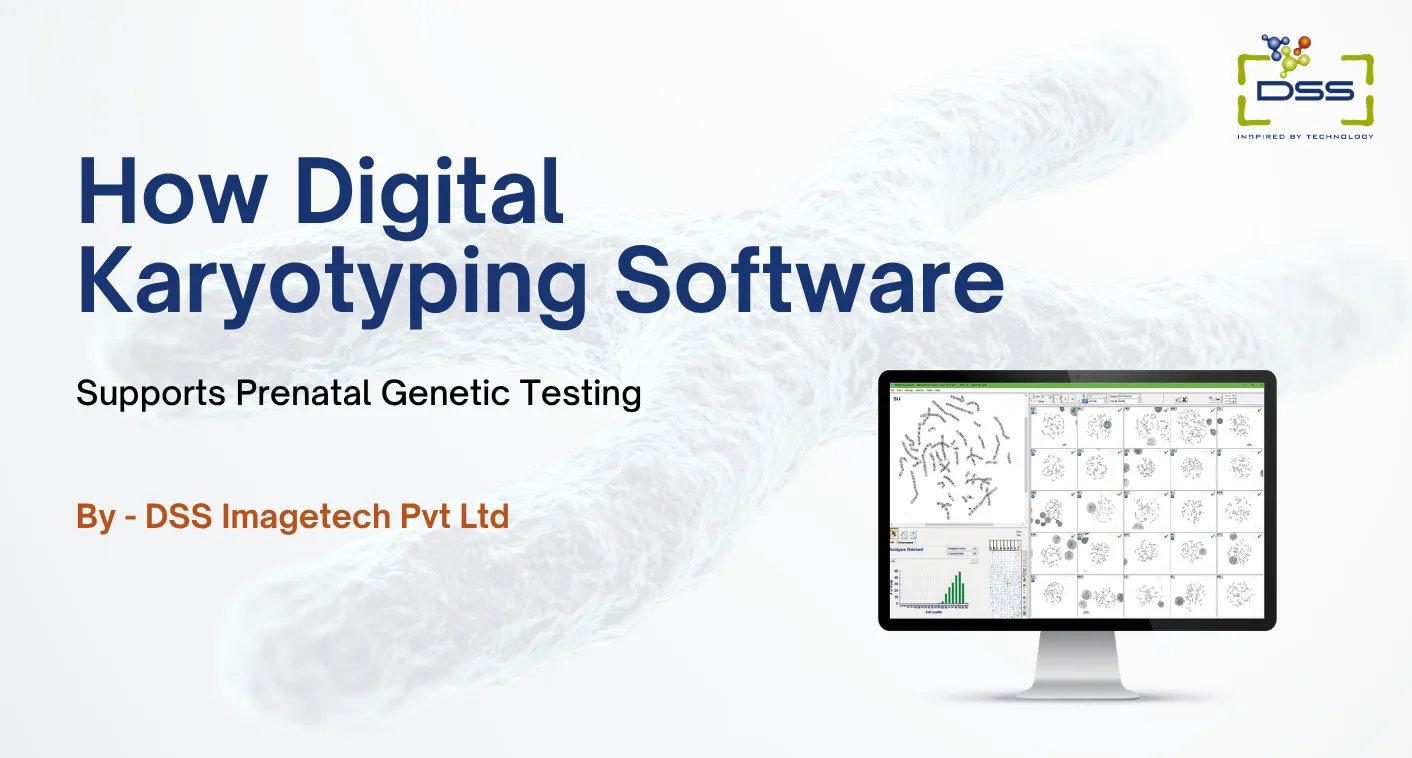
How Digital Karyotyping Software Supports Prenatal Genetic Testing
BY DSS Imagetech Pvt Ltd 30th April 2026
It is a Tuesday morning. A couple is sitting in an OB-GYN office, holding hands so tightly their knuckles are white. They aren’t looking at their phones. They are staring...
Read More