DSS: Redefining Biotechnology & Life Science in India






























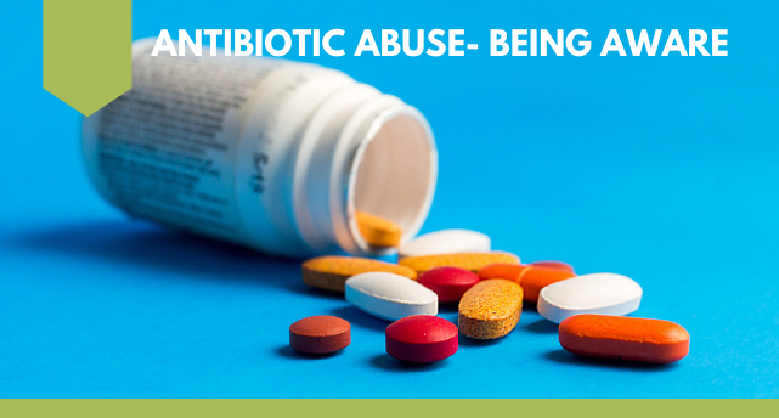
Antibiotic Abuse – Being Aware
It would be difficult to overstate the utility of penicillin and other antibiotics in treating bacterial infections, preventing the disease spread and reducing serious complications.
But some antibiotics that used to be standard treatments for bacterial infections are now having less or no effects. A certain strain of bacteria is said to be antibiotic resistant, when an antibiotic no longer has an effect on it. New resistance mechanisms are emerging and spreading globally, jeopardizing our ability to treat common infections.
Key facts
- Antibiotic resistance is one of the biggest threats to health, food security, and development in the modern era.
- Antibiotic resistance doesn’t discriminate age, sex and nationality.
- Antibiotic resistance though occurs naturally, its misuse in humans and animals is accelerating the process.
- A number of infections – e.g. tuberculosis, pneumonia, gonorrhoea and salmonellosis – are becoming harder to treat as the antibiotics used to treat them become less effective.
- Antibiotic resistance leads to more-serious illness, increased mortality, longer recovery and increased treatment duration.
Scope of the problem
Where antibiotics are often bought for human or animal use without a prescription, the emergence and spread of resistance is formed worse. Similarly, in countries without standard treatment guidelines, antibiotics are often over-prescribed by doctors and veterinarians and over-used by the general public. Without urgent action, we are heading for a post-antibiotic era, during which common infections and minor injuries can once more kill.
Overuse of antibiotics
According to the Centers for Disease Control and Prevention, up to one-third to one-half of antibiotic use in humans makes no sense or inappropriate.
Antibiotics treat bacterial infections but not viral infections. For example, an antibiotic is an appropriate treatment for streptococcal sore throat, which is caused by the bacterium Streptococcus pyogenes. But it isn’t the proper treatment for many sore throats, which are caused by viruses.
Other common viral infections that do not benefit from antibiotic treatment include:
- Cold
- Flu (influenza)
- Bronchitis
- Most coughs
- Some ear infections
- Some sinus infections
- Stomach flu
Taking an antibiotic for a viral infection:
- Won’t cure the infection or reduce its spread
- Won’t help you feel better
- May cause unnecessary and harmful side effects
- Promotes antibiotic resistance
Approximately 2 million infections from antibiotic-resistant bacteria occur within the US annually, leading to 23,000 deaths.
Prevention and control Methods for Individuals, Healthcare Professional and Agriculture Sector
Individuals
- Use antibiotics only when prescribed by a certified healthcare professional.
- Do not demand antibiotics if your physician says you don’t need them.
- Always follow your physician’s advice when using antibiotics. Take the prescribed daily dosage, and complete the whole course of treatment.
- Never share or use leftover antibiotics.
Healthcare professionals
- Prevent infections by ensuring your hands, instruments, and environments are disinfected.
- Prescribing and dispensing antibiotics only when needed, according to current guidelines.
- Explaining patients about how to take antibiotics correctly, antibiotic resistance and the dangers of misuse.
Agriculture sector
- Give antibiotics to animals under veterinary supervision.
- Prohibit antibiotics for growth promotion or to prevent diseases in healthy animals.
Latest Articles
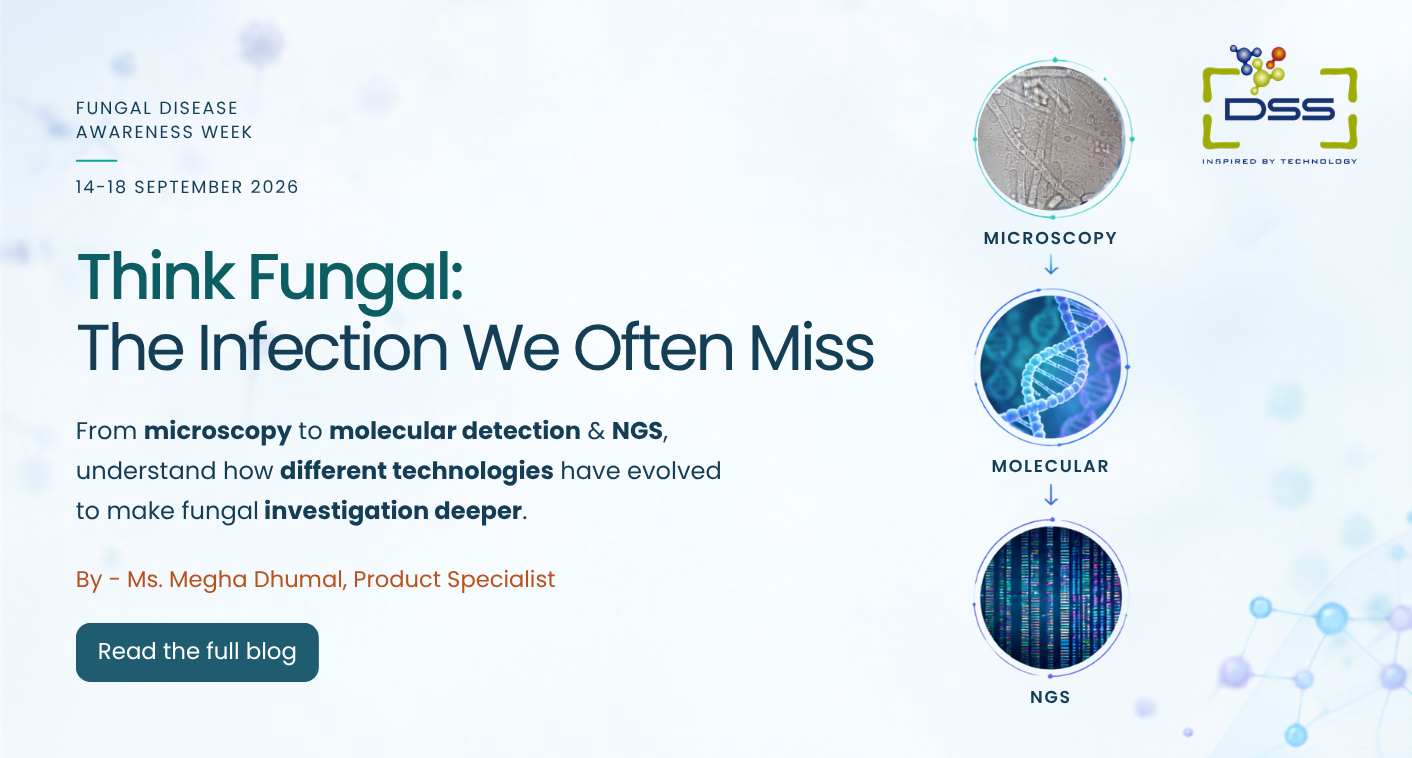
Think Fungal: The Infection We Often Miss
BY Megha Dhumal, Product Specialist 18th September 2026
Fungal Disease Awareness Week | 14–18 September 2026 2026 marks the 10th Annual Fungal Disease Awareness Week, highlighting a decade of efforts to raise awareness of fungal diseases and their...
Read More
Super-Resolution Microscopy: Upgrading to Abberior STEDYCON for Advanced Research
BY Dr. Anirban Bose (Ph.D.) Product & Application, Manager 5th September 2026
No matter how high-end your conventional fluorescence or confocal microscope is, there is a hard ceiling that eventually becomes incredibly frustrating. You could be trying to get a clear look...
Read More
How to Choose the Right Research Microscope
BY DSS Imagetech Pvt Ltd 14th August 2026
You’re standing there with a procurement form and a budget number. Someone circled in red, and down the hall a colleague is muttering that their old scope “still works fine,...
Read More