DSS: Redefining Biotechnology & Life Science in India




















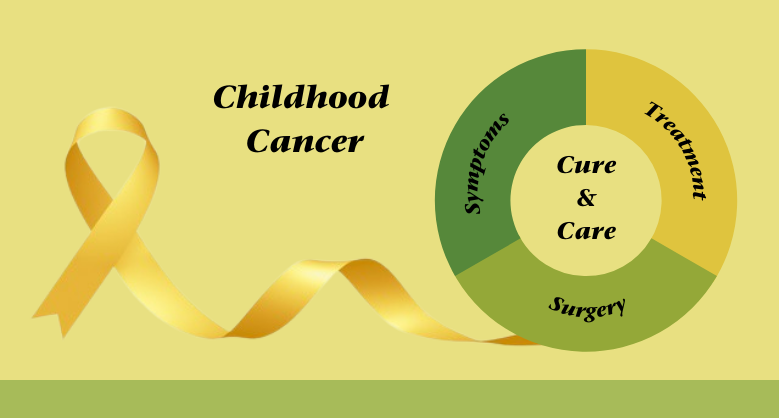
Childhood Cancer – Cure & Care
Parents usually worry about what they might have done or didn’t do that may have caused their child’s cancer. This is not the case and parents should not feel guilty about being answerable for their child’s ill health. It’s rare for one more kid in a family to develop cancer, as most cancers aren’t caused by an inherited faulty gene that may have been transmitted from parent to their children so it’s typically not necessary to analyze other siblings. Cancer isn’t infectious and can’t be passed on to anyone coming in contact with your kid.
The organs and tissues are made up of tiny building blocks in our body called cells. Cancer is the malfunction of those cells. Normally, cells divide in a specific orderly way and a controlled manner, however, if for any reason this does not happen, these cells then grow to be a lump known as a tumour. Tumours are either malignant (cancerous) or benign (non-cancerous). Doctors can suggest if a tumour is benign or malignant by performing a tissue biopsy by examining a sample of cells.
In benign tumours, the cells are not cancerous and hence spreading to other parts of the body does not happen. Though it may carry on growing from the original size when detected. It may even have pain when pressed on surrounding organs. But in the case of a malignant tumour, it spreads to other parts of the body and tissues and if left untreated then it is life-threatening.
Cancers are of different kinds and can infect different parts of the body. There are more than 200 kinds of cancers known in the medical field and every other has its name and treatment. Cancer occurs in different organs of the body from the Brain to our excretory organs, from Bones, nerves and blood. In children, the cancers that are most frequently found are different from those seen in adults. Typically the cells break apart from the original cancer cell spreading to other organs within the body through the blood or lymphatic system. Once the cancer cells reach a new area they may go on by dividing and forming a new tumour. This is directed to secondary cancer or metastasis. Cancer can even occur within the blood cells in the bone marrow or within the lymphatic system.
Cancer symptoms and their treatment depend on the sort of cancer and where it is located within the body. It can be quite vague and may have been caused by something unnatural other than by cancer infected cells. Hence it’s necessary for people associated with this disease to be aware of any signs or symptoms of cancer because earlier it is diagnosed treatment will be faster and more successful.
Identifying cancer in Children is tough as symptoms may be identified as for several childhood illnesses. Viral or Bacterial infections. Though for a child recovery from illness is generally faster than elders so if a child is taking time to recover or simply not getting better it is a matter of concern and treatment will take different courses of action from specialist doctors in the field.
GENERAL SYMPTOMS
- If a child is feeling tired and exhausted all the time or has noticeable skin paleness.
- Quickly gets infected and such infection (as in-ear, throat or chest) doesn’t go away and keeps coming back.
- Also flu-like symptoms such as tiredness, the high temperature that remains for long and does not respond to normal treatment.
- Bleeding through urine, faeces or during any sickness.
- Bruising or rashes like small red spots on the skin (called ‘petechiae’).
- Sudden occurrence of fever or sweating especially during the night.
- Body aches and pains especially in the bones, joints, back or leg weakness which does not go away.
- The constipated toilet, symptoms like diarrhoea, pain or feeling like still to finish.
- Feeling like a kind of lump, swelling or unusual firmness anywhere in the body, in places like abdomen, neck, chest, pelvis or armpits.
- Losing weight significantly in teenagers.
- Slow growth in height of children.
- Behavioural changes like – persistent crying, young children screaming or shouting due to unexplained physical disturbances, sleeping more than normal or being off food.
In the case of Brain Tumors – Children infected with this type of cancer is particularly hard to diagnose and may have several varieties of symptoms including persistent headaches, seizures, clumsiness and also feeling sick, dizziness when waking up in the morning
There is a list of toxicities to accept for the survival of affected children due to Cancer treatment. Parents have to be prepared for that and can even suggest a change in the medication. One has to be very careful and observant during the treatment period. It’s a very tiring process and attention is necessary. A parent should be very alert and continuously discuss with the Doctor treating their child so that the treatment is smooth and bearable for children. Family understanding in the treatment process is a very crucial factor. Nowadays for most Cancer treatment, home treatment also plays a crucial part where maintaining sanitation at home, timely medication, mental health and confidence booster are some factors.
The treatments that help children overcome cancer can cause health problems later in their life. In most of their treatments, side effects appear during, after some years or even just after completion of treatment. But some problems associated with treating Cancer may become permanent and generally, we called them late effects.
Treatment:
Chemotherapy
Chemo is done for treating Cancer patients by killing the infected cancer cells in the body. However, chemo will harm other cells in the body too in the process, which may cause short term or long term effects on the body.
Chemotherapy damages cells, causing side effects also like low blood cell counts, nausea, diarrhoea and even hair loss during treatment. Sometimes these short term side effects may go away when treatment is over.
Late effects, on the opposite hand, could happen a few years later. A child’s whole body is growing. This suggests that a lot of completely different sorts of healthy, traditional cells divide more quickly than they might be in an associate degree of an adult. Some sorts of chemo medicine will harm these cells and keep them from growing and developing the manner they must normally.
Side effects may reappear a few years later too. Since a child’s body is growing, many different types of healthy, normal cells are also dividing faster than it would be in the case of an adult. Hence, chemo or other Cancer treatment can damage these cells and slow or stop them from functioning normally as required in case of normal development
Radiation:-
Radiation treatment uses high-energy rays (such as x-rays) to kill cancer cells and shrink tumours. The radiation could return from outside the body (external radiation) or from radioactive materials placed into or right next to the tumour (internal or implant radiation). Radiation is mostly used along with the other treatments, like before or when surgery, or after chemo. For some, it may be the ultimate treatment. Younger kids’ bodies tend to be a lot more sensitive to the consequences of radiation and side effects. Somebody parts or cells may be permanently damaged due to Radiation effects.
Surgery:-
Surgery is a crucial part of the treatment of several cancers. The possible long-term effects of surgery depend upon different factors and for different types of cancer and age.
In some cases, surgery could also be fairly minimal and leave nothing except a small scar. For other serious cases in surgery, it may be more extensive and require removing a part, maybe an organ, or even a limb. Doctors try to do their best by limiting the effects of surgery by balancing between removing cancer cells/organs and taking out as little as possible the healthy body tissue around the infected part.
Latest Articles
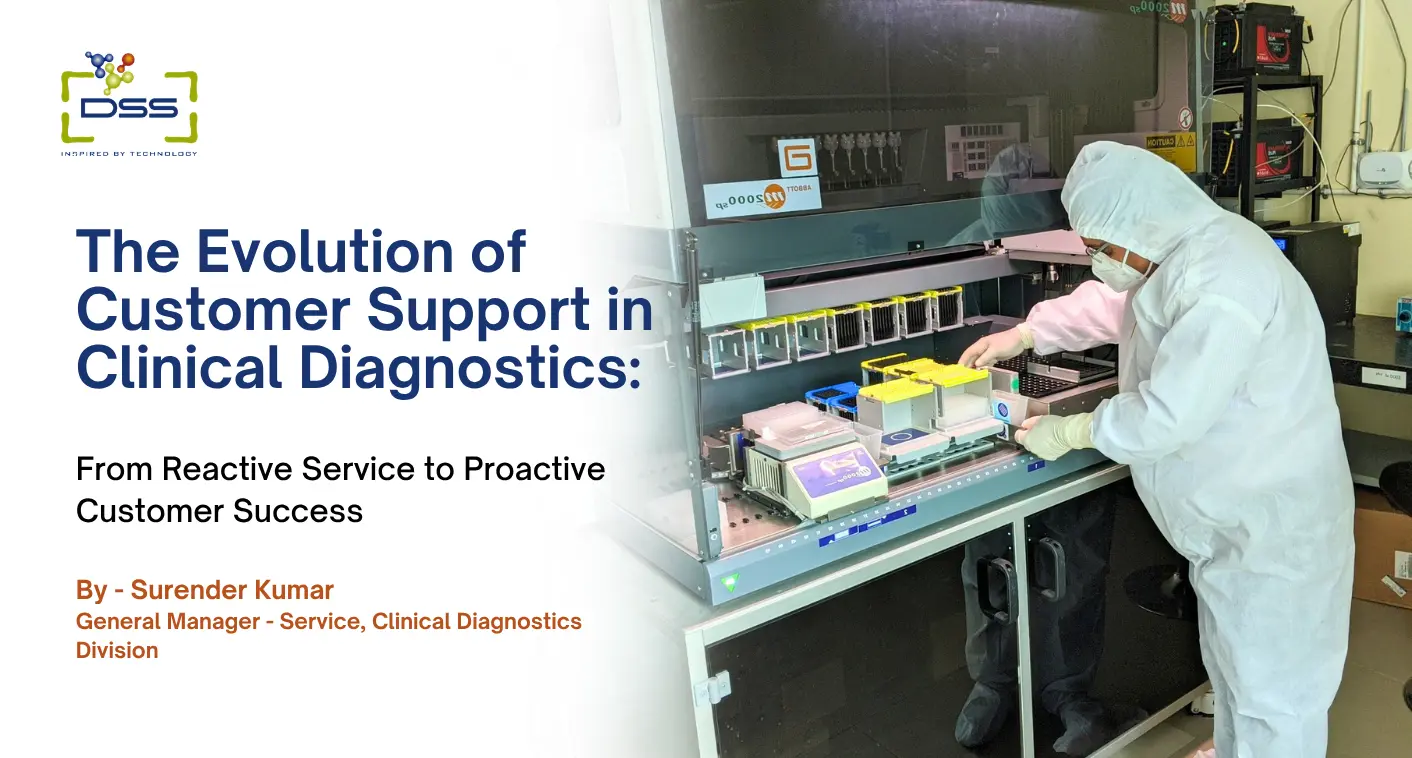
The Evolution of Customer Support in Clinical Diagnostics
BY Surender Kumar | General Manager – Service, Clinical Diagnostics Division 23rd July 2026
How Customer Expectations Have Changed Over the Last 20 Years “Customer Support is no longer a cost center—it is a competitive advantage.” Twenty years ago, customer support was primarily viewed...
Read More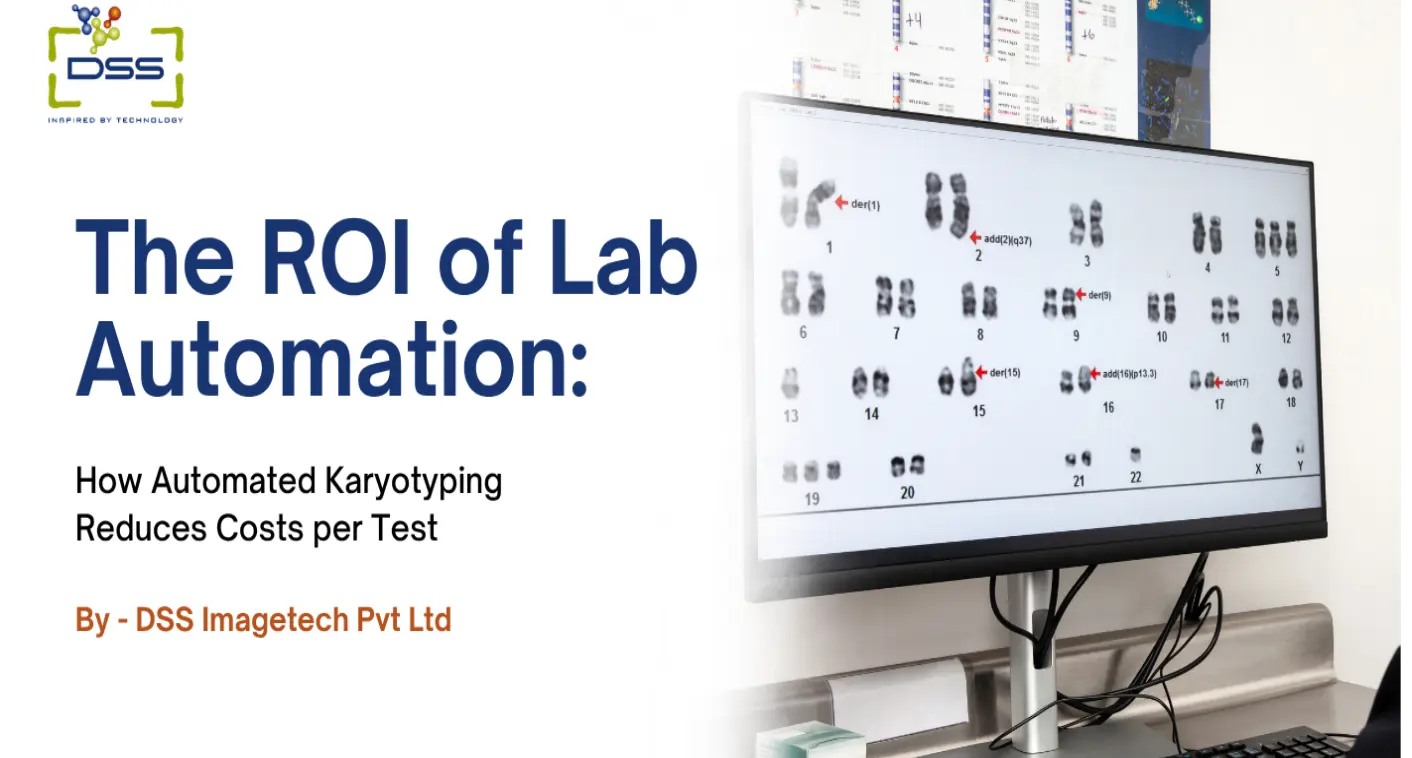
The ROI of Lab Automation: How Automated Karyotyping Reduces Costs...
BY DSS Imagetech 13th July 2026
If you walk into almost any cytogenetics lab across India right now, you’ll probably hear the exact same complaint. Lab directors are staring at their monthly numbers, calculating just how...
Read More
Journey from Manual Testing to Automation powered by AI &...
BY Mr. Mahesh Semwal, Deputy General Manager (DGM) 29th June 2026
The diagnostics industry has witnessed a tremendous transformation over the last 25–30 years. Those who have been part of this journey have seen how diagnostics laboratories have moved from intensive...
Read More