DSS: Redefining Biotechnology & Life Science in India




























Endometriosis Awareness Month 2020
Each year, March is witnessed as the Endometriosis Awareness Month.
Endometriosis, which is commonly a painfully discomforting disorder wherein the tissue just like the tissue that normally lines the within of the uterus — the endometrium — witnesses growth outside the woman’s uterus. Endometriosis typically comprises the ovaries, fallopian tubes and therefore the tissue lining the pelvis. Infrequently, the endometrial tissue may tend to spread beyond pelvic organs.
Endometriosis tends to cause pain — occasionally excruciatingly severe — especially during menstrual periods. Fertility concerns also may develop during the same.
It may lead to the most poignant complications of Infertility and Cancer to develop:
Infertility
The main complication of endometriosis that occurs is fertility with relatively, one-third to one-half of ladies with endometriosis face difficulty getting pregnant.
For pregnancy to follow, an egg must be released from an ovary, travel through the neighboring Fallopian tube, become fertilized by a sperm cell and fix itself to the uterine wall to start development. Endometriosis may obstruct the tube and keep the egg and sperm from uniting. But the condition also seems to affect fertility in less-direct ways, like by damaging the sperm or egg.
Nevertheless, the tendency to conceive and carry the pregnancy to term with mild to moderate endometriosis are often attainable. However, those with endometriosis are also advised to avoid the delay of getting children as this might lead to worsening the condition further.
Cancer
Ovarian Cancer holds beyond expected rates to develop in women suffering from endometriosis. Although the general lifetime risk of developing ovarian cancer is low to start with. Some studies suggest that the danger increases with endometriosis, but it’s still relatively low. Although rare, another sort of cancer — endometriosis-associated adenocarcinoma — can develop later in life in people who have suffered from endometriosis.
Symptoms
The primary symptom of endometriosis begins with pelvic pain, often related to menstrual periods. Although many ladies or women may experience cramps during their menstrual periods, those with endometriosis typically describe menstrual pain far worse than usual. The severe pain can also increase over time.
Common signs and symptoms of endometriosis include:
- Painful periods (Dysmenorrhea). Pelvic pain and cramping may begin leading up to the menstrual period and extend several days after. One can also experience lower back and abdominal pain.
- Pain during intercourse. Painful sex, or maybe pain after sex becomes common with endometriosis.
- Pain during bowel movements or urination. One is presumably to experience these symptoms during the menstrual period.
- Excessive bleeding. One tends to experience occasional heavy menstrual periods or bleeding between periods (intermenstrual bleeding).
- Infertility. At times, endometriosis is first diagnosed in those seeking treatment for infertility.
- Other signs and symptoms. Experiencing fatigue, diarrhea, constipation, bloating or nausea, especially during menstrual periods often mark the primary signs.
The severity of the pain being experienced might not necessarily be a reliable indicator of the magnitude of the condition. One could have severe pain with mild endometriosis, or have advanced endometriosis with little or no pain at all.
Endometriosis is additionally occasionally mistaken for other conditions that tend to cause pelvic pain, like pelvic disease (PID) or ovarian cysts. One may confuse it with irritable bowel syndrome (IBS), a condition known to cause bouts of diarrhea, constipation and abdominal cramping. IBS can accompany endometriosis, though, further complicating the diagnosis.
Causes
Although the precise explanation for endometriosis isn’t certain, possible explanations include:
- Retrograde menstruation. During this scenario, the menorrhea containing endometrial cells flows back through the fallopian tubes and into the cavum rather than out of the body. These endometrial cells keep on with the pelvic walls and surfaces of pelvic organs, where they grow and still thicken and bleed over the course of every cycle.
- Transformation of peritoneal cells. In what’s called the “induction theory,” experts propose that the hormones or immune factors promote transformation of peritoneal cells — cells lining the inner side of your abdomen — into endometrial-like cells.
- Embryonic cell transformation. Hormones like estrogen may transform embryonic cells — cells within the earliest stages of development — into endometrial-like cell implants during puberty.
- Surgical scar implantation. After a surgery, like a hysterectomy or C-section, endometrial cells may attach to an incision.
- Endometrial cell transport. The blood vessels or tissue fluid (lymphatic) system may transport endometrial cells to other parts of the body.
- Immune system disorder. a complication with the system may make the body unable to acknowledge and destroy endometrial-like tissue that’s growing outside the uterus.
Risk factors
Several factors place you at greater risk of developing endometriosis, such as:
- Starting your period at an early age
- Never conceiving
- Going through menopause at an older age
- Shorter menstrual cycles — such as 27 days
- Heavy menstrual periods lasting longer than seven days
- Having higher levels of estrogen in your body or a greater lifetime exposure to estrogen that the body produces
- Lower body mass index
- One or more relatives (mother, aunt or sister) with endometriosis
- Any medical condition that forestalls the traditional passage of menorrhea flow out of the body
- Reproductive tract abnormalities
Endometriosis typically develops several years post the onset of menstruation (menarche). Signs and symptoms of endometriosis may temporarily improve with pregnancy and should get away completely with menopause, unless one takes estrogen.
Latest Articles
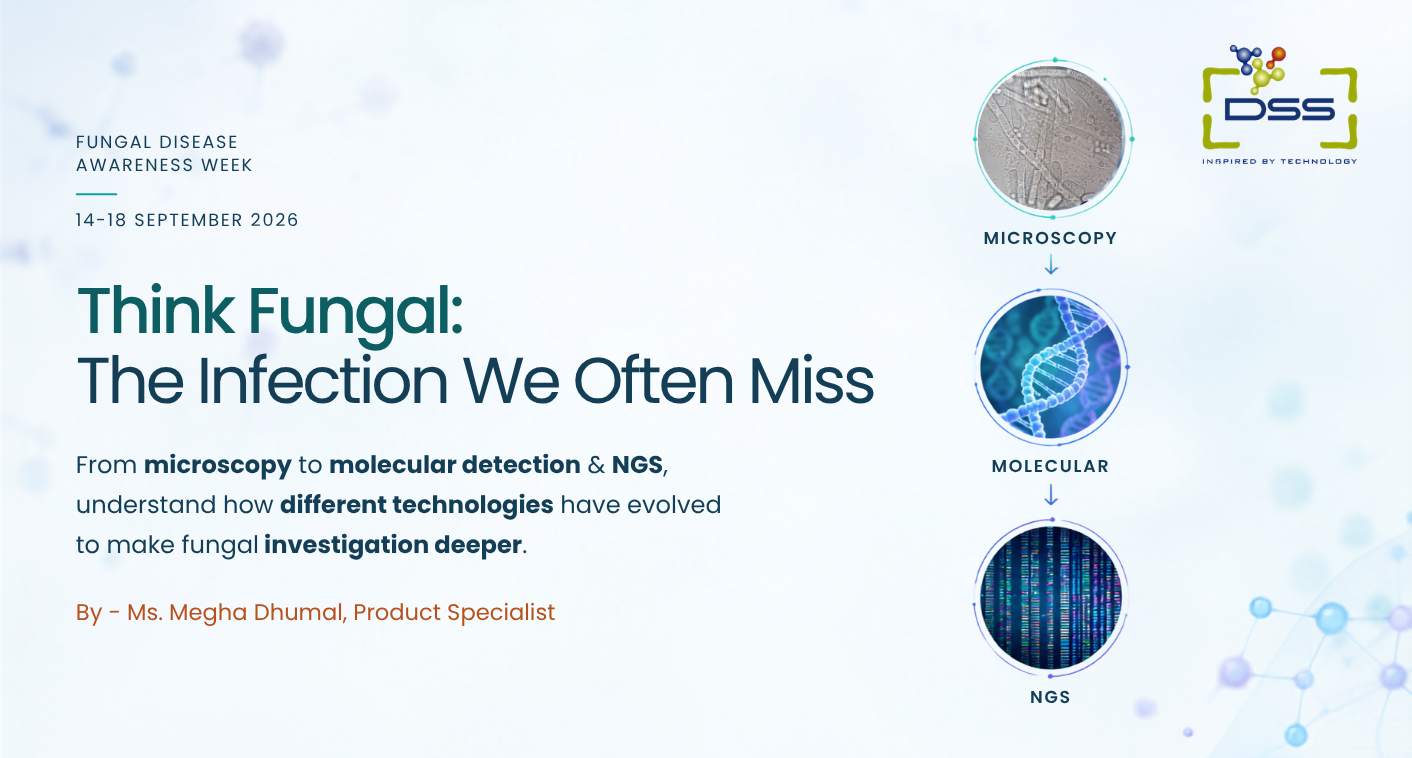
Think Fungal: The Infection We Often Miss
BY Megha Dhumal, Product Specialist 18th September 2026
Fungal Disease Awareness Week | 14–18 September 2026 2026 marks the 10th Annual Fungal Disease Awareness Week, highlighting a decade of efforts to raise awareness of fungal diseases and their...
Read More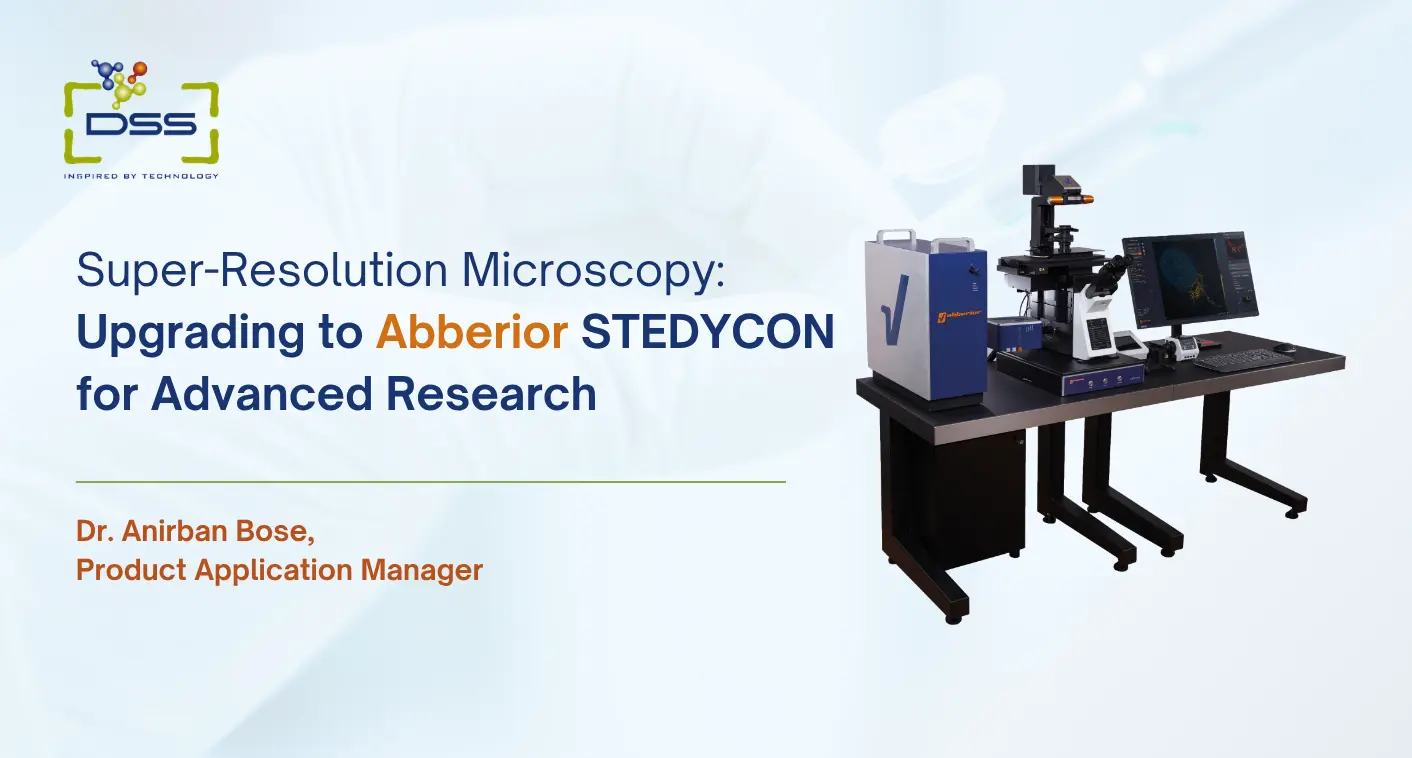
Super-Resolution Microscopy: Upgrading to Abberior STEDYCON for Advanced Research
BY Dr. Anirban Bose (Ph.D.) Product & Application, Manager 5th September 2026
No matter how high-end your conventional fluorescence or confocal microscope is, there is a hard ceiling that eventually becomes incredibly frustrating. You could be trying to get a clear look...
Read More
How to Choose the Right Research Microscope
BY DSS Imagetech Pvt Ltd 14th August 2026
You’re standing there with a procurement form and a budget number. Someone circled in red, and down the hall a colleague is muttering that their old scope “still works fine,...
Read More