DSS: Redefining Biotechnology & Life Science in India



























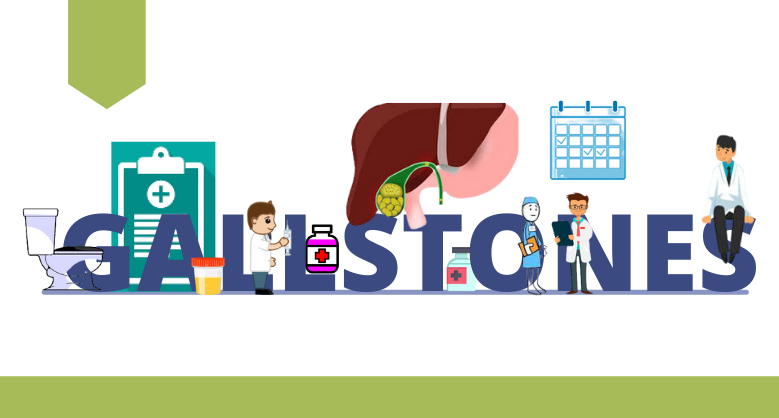
GALLSTONES: Perhaps too much of everything is as bad as too little.
The Gallbladder is a small pouch, the size of a pear, that sits just under the liver which stores bile produced by the liver. The bile helps digests the fat and after the meals, the gall bladder lies empty and flat, like a deflated balloon. The bile also carries waste like cholesterol and bilirubin, which is made by our body makes when it breaks down red blood cells.
But as said by Edna Ferber, “Perhaps too much of everything is as bad as too little”, our little gall bladder proves it. Our body needs bile for digestion, it dissolves cholesterol, but when it’s too much to handle, the extra cholesterol might form stones. Or when there’s too much bilirubin in the bile in the conditions like some infections, blood disorders, liver diseases, it increases the risk of gall stones. And, when the gallbladder doesn’t empty itself the way it should.
Still, wondering what Gall stones are?? Well, Gallstones are hard, pebble-like pieces of material, usually made of cholesterol or bilirubin, that form in your gallbladder. They can vary in size from a grain of sand to a golf ball. Some could develop one and some could make hundreds of gallstones at a time.
In India, Gallstones come with a prevalence rate of 6.12% in adults. In women, the rate of Gallstones are two to three times higher than in men and specially the women over the age of 40. You are more likely to get gallstones if you are obese or overweight, don’t exercise much, have a diet high in fat and cholesterol but low in fibres, or take medicines to lower your cholesterol level. You might also get gallstones if someone else in your family had them.
Gallstones may not cause any signs or symptoms until it lodges in a duct and causes blockage. If you witness pain in your upper belly often on the right side, just under your ribs, regular pain in your shoulder or back; have an upset stomach, vomiting; indigestion, heartburn and gas. Buckle up folk, you’ve got some issues!
A doctor should be consulted without any delay if these signs of serious infection/ inflammation are seen:
- Belly pain that lasts for several hours, that makes you so uncomfortable to even sit still.
- High fever with chills.
- Yellow skin or eyes
Your doctor will ask you to perform some tests to determine the present status of your condition.
- Abdominal ultrasound: it is the gold standard to look for gallstones because it’s simple and non-invasive. Ultrasound is very good at highlighting gallstones within the gall bladder, as well as features such as thickened gall bladder wall, that point to inflammation of the gall bladder.
- Complete blood count (CBC): if there is any inflammation caused by gallstones, the white blood cell count is usually elevated.
- HIDA scan (Chole scintigraphy): during this test, a radioactive material called hydroxy iminodiacetic acid (HIDA) is injected into the patient. The gallbladder takes up the material and the scan reflects the functioning of the gallbladder.
- Endoscopic Retrograde Cholangiopancreatography (ERCP): in this procedure, a Dye is injected by placing a tube down the patient’s throat, then into the stomach and then into the small intestine, which can be seen on an Xray.
Most people with gallstones have their gall bladder taken out, and it’s perfectly normal. Those people can normally digest food like people who have it. Your doctor will use either of the two procedures:
- Laparoscopic cholecystectomy: Also called “keyhole surgery”. The surgeon makes four incisions near your belly button, called the port, and inserts a small device. The port creates an opening for your surgeon to fill the abdomen with gas. This creates space to do the operation. Next, they insert a small camera through the port, for a better view of the organs and around for the surgery, whose output is displayed on a screen in the operating room. Now, once the surgeon can see clearly, they create more ports to insert long and narrow instruments to disconnect your gallbladder. and it is taken out through one of the incisions. Most of the operations need 3 or 4 incisions, but some could have more, depending on your body. You’ll usually go home the same day.
- Open cholecystectomy: your doctor makes bigger cuts in your belly to remove your gall bladder. You’ll stay in the hospital for a few days after the surgery.
You could always prevent it with some basic lifestyle changes. Just get a healthy diet that’s high in fibre. Avoid refined carbs and unhealthy fats. Get some exercise for at least 30 minutes every day. Drink plenty of water to keep yourself hydrated.
Latest Articles

How to Choose the Right Research Microscope
BY DSS Imagetech Pvt Ltd 14th August 2026
You’re standing there with a procurement form and a budget number. Someone circled in red, and down the hall a colleague is muttering that their old scope “still works fine,...
Read More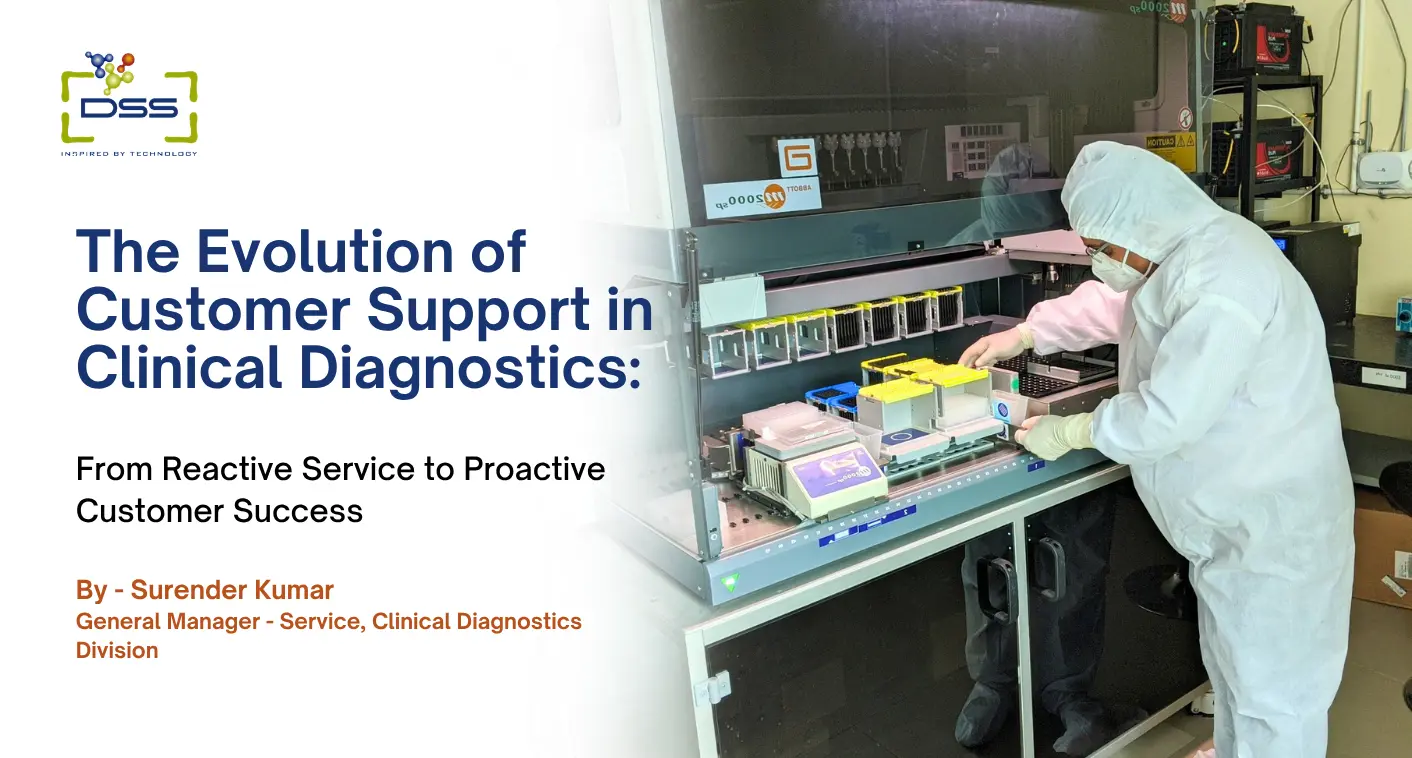
The Evolution of Customer Support in Clinical Diagnostics
BY Surender Kumar | General Manager – Service, Clinical Diagnostics Division 23rd July 2026
How Customer Expectations Have Changed Over the Last 20 Years “Customer Support is no longer a cost center—it is a competitive advantage.” Twenty years ago, customer support was primarily viewed...
Read More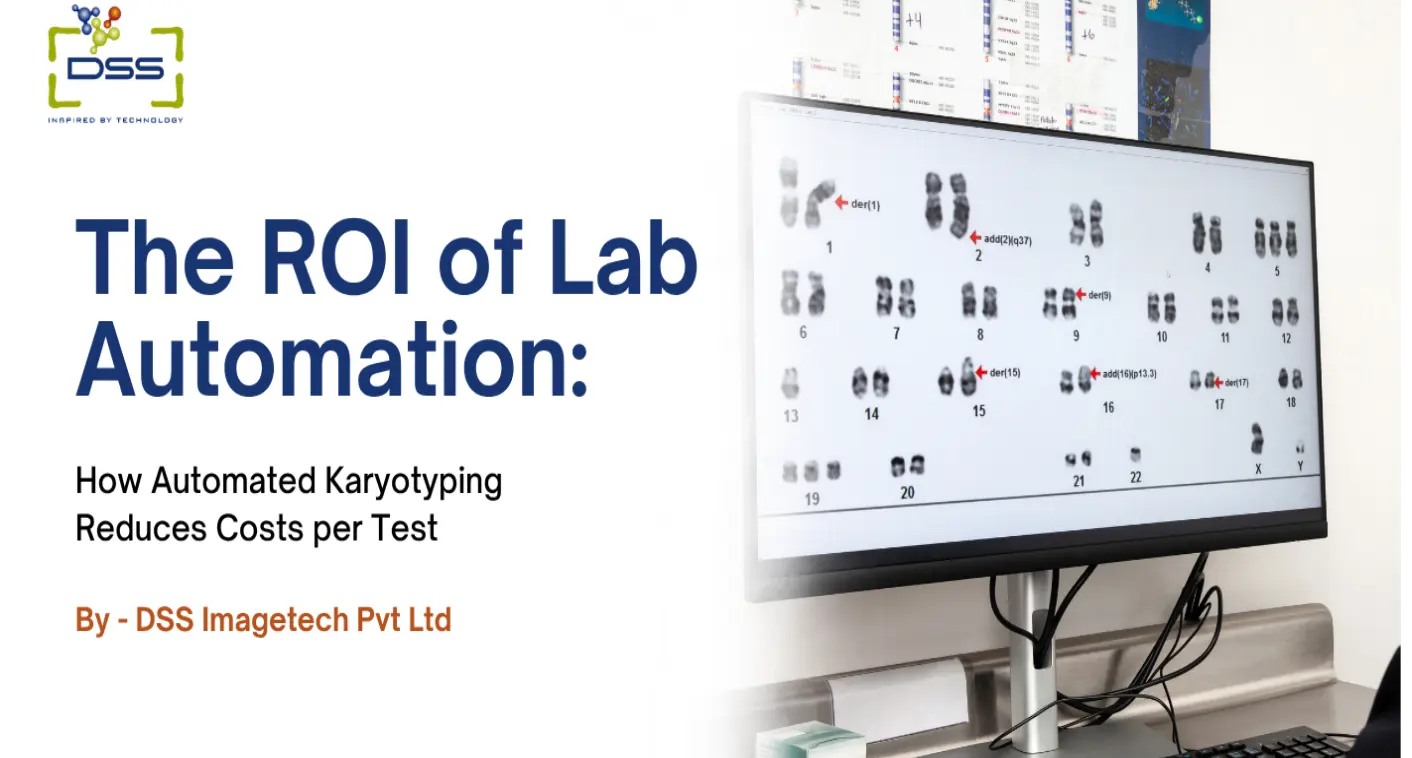
The ROI of Lab Automation: How Automated Karyotyping Reduces Costs...
BY DSS Imagetech 13th July 2026
If you walk into almost any cytogenetics lab across India right now, you’ll probably hear the exact same complaint. Lab directors are staring at their monthly numbers, calculating just how...
Read More