DSS: Redefining Biotechnology & Life Science in India



















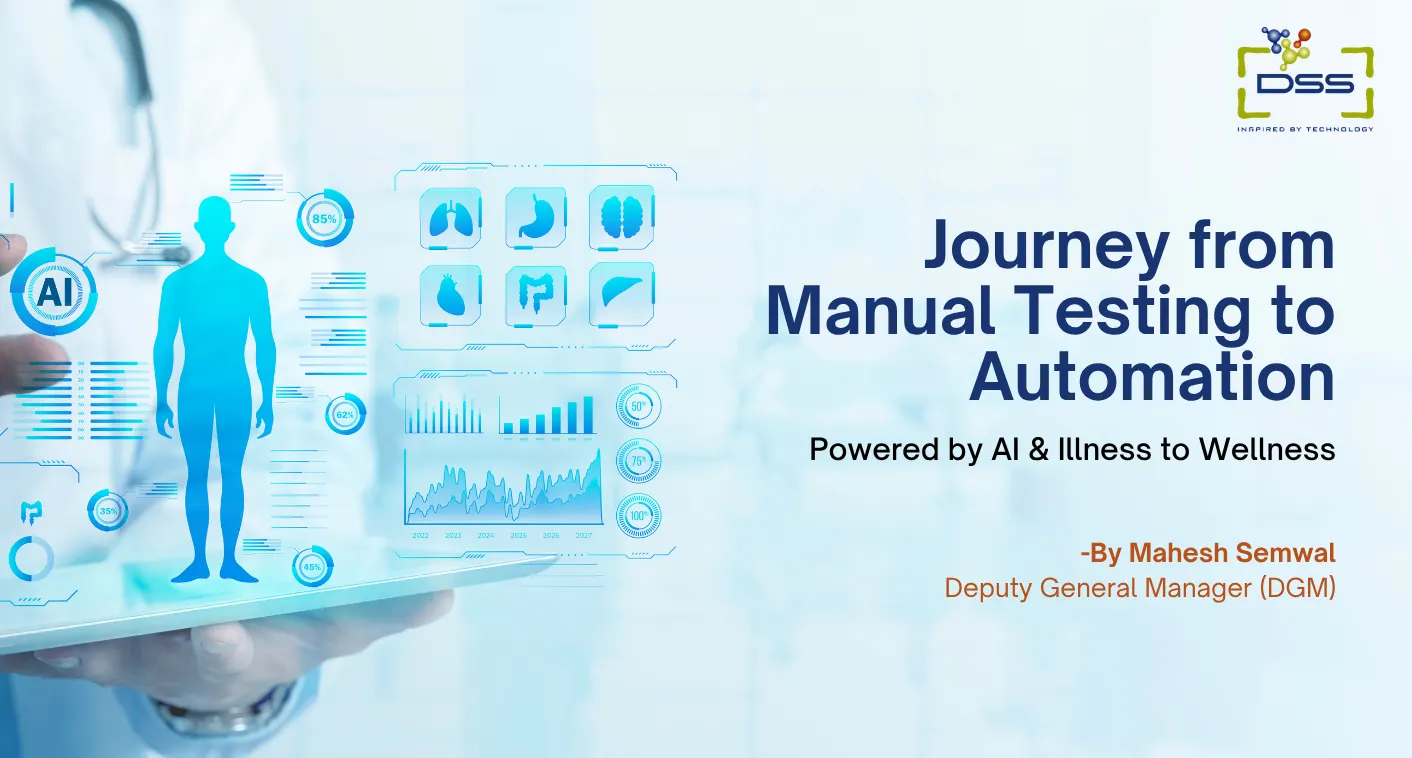
Journey from Manual Testing to Automation powered by AI & Illness to Wellness
The diagnostics industry has witnessed a tremendous transformation over the last 25–30 years. Those who have been part of this journey have seen how diagnostics laboratories have moved from intensive manual testing to highly automated testing systems supported by Artificial Intelligence.
In the earlier days, diagnostics laboratories relied primarily on conventional testing methods. Most procedures required significant human involvement from sample collection, processing, analysis to interpretation of the result, which was time consuming and mainly depended on the skilled and experienced laboratory professionals which often became challenging, particularly when volume increased, which affects the consistency and timely delivering of patient test reports.
Although manual testing was challenging, it played a vital role in building the foundation of modern diagnostics. It taught the importance of technical skills, patience, scientific discipline and understanding why each testing step matters.
From Manual Testing to Automation
As healthcare demands increased, laboratories started handling large test volumes. This created the need for automation. The introduction of automated analysers transformed diagnostic laboratory operations.
Automation helped improve efficiency, reduce turnaround time, minimise human errors, reduce human intervention, improve reproducibility of results, enhance lab productivity and increase reliability.
Automation also helped standardise processes across multiple locations. Large diagnostic chains could maintain consistent quality results, regardless of where the test was performed. For patients, this meant faster reports and timely treatment decisions.
Artificial Intelligence in Diagnostics
Today, the diagnostics industry is experiencing another major revolution through Artificial Intelligence. AI supports diagnostics laboratories by analysing data, identifying patterns, supporting clinical decision-making, predicting disease risks and improving workflow efficiency.
AI-powered diagnostics can help laboratories deliver faster, more accurate and more personalised healthcare services. It also supports clinicians in early detection and better treatment planning.
Evolution of Diagnostics Marketing: From Illness to Wellness
While technological advancement has transformed diagnostic laboratory operations, another important change has happened in diagnostics marketing.
Earlier, diagnostic testing was mostly illness-oriented. People usually visited laboratories only after falling sick or when a physician recommended tests to diagnose a medical condition.
Over time, the focus has shifted from illness to wellness. Diagnostics laboratories no longer wait for patients to become sick. Instead, they actively promote preventive healthcare through health check-up packages, wellness programs, corporate health initiatives, lifestyle disease monitoring and personalised assessments.
Growing Importance of Preventive Healthcare
Modern lifestyles, long sitting hours, demanding jobs and changing food habits have increased the prevalence of chronic diseases such as diabetes, hypertension, cardiovascular disorders and obesity.
The major issue with these lifestyle diseases is that symptoms often remain undetectable for years. Regular health check-ups and diagnostic tests help in early detection of risk factors and support timely medical intervention.
Key Takeaways
- Manual Testing to Automation: As healthcare demand increased and labs started handling larger test volumes, automation became essential.
- AI-Powered Diagnostics: AI helps in pattern recognition, disease risk prediction, workflow efficiency and clinical decision support.
- From Illness to Wellness: Diagnostics labs are now promoting preventive healthcare through wellness programs and health check-up packages.
- Preventive Healthcare: Early detection helps in timely medical intervention for chronic diseases such as diabetes, hypertension, cardiovascular disorders and obesity.
- Future of Diagnostics: Advance AI, molecular diagnostics, genomics, personalised medicine and digital pathology will continue to grow and help diagnostics labs in delivering faster and accurate test results which could be a great support for patients for better treatment and improve better quality of life.
Conclusion
Every journey comes with challenges and rewards. The diagnostics industry has successfully adapted to change over the years and will continue to evolve according to healthcare needs and demands.
From manual testing to automation and now AI-powered diagnostics, the industry has moved toward faster, more reliable and more patient-focused healthcare. The shift from illness to wellness highlights the growing importance of preventive healthcare in modern society.
About the Author

Mahesh Semwal is currently working as Deputy General Manager (DGM) – Sales and brings over 30 years of experience in the diagnostics industry. Throughout his career, he has held various leadership positions and developed extensive expertise in business development, strategic planning, P&L management, new product launches and team leadership.
He has also established strong relationships with key opinion leaders (KOLs) across the diagnostics industry. He is passionate about taking on new challenges and expanding businesses through strong personal relationships and extensive market knowledge.
FAQ’s :-
1. How has diagnostics changed over the last 25–30 years?
Diagnostics has evolved from manual testing to automated systems and now AI-supported diagnostic workflows, making testing faster, more accurate and more efficient.
2. Why was manual testing important in diagnostics?
Manual testing built the foundation of modern diagnostics by teaching technical skills, patience, accuracy and scientific discipline.
3. What are the benefits of automation in diagnostics?
Automation reduces turnaround time, minimises human error, improves reproducibility, increases productivity and ensures consistent quality across laboratories.
4. How does AI support diagnostics laboratories?
AI helps analyse data, identify patterns, predict disease risks, support clinical decisions and improve workflow efficiency.
5. What does “illness to wellness” mean in diagnostics?
It means diagnostics has shifted from testing only after illness to promoting preventive health check-ups, wellness programs and early disease detection.
6. Why is preventive healthcare important?
Preventive healthcare helps detect risk factors early, especially for lifestyle diseases such as diabetes, hypertension, cardiovascular disorders and obesity.
7. What is the future of diagnostics?
The future of diagnostics will include advanced AI, molecular diagnostics, genomics, personalised medicine and digital pathology.
Latest Articles
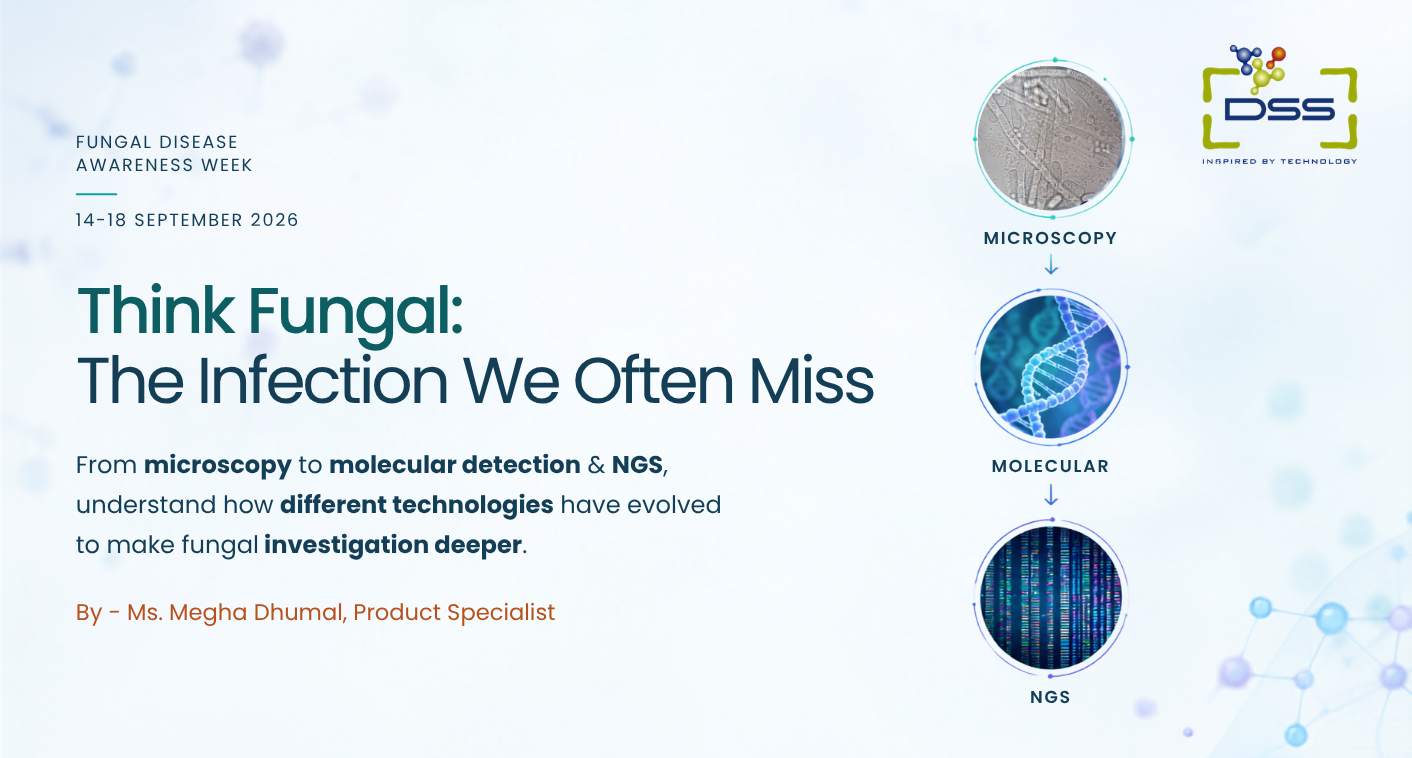
Think Fungal: The Infection We Often Miss
BY Megha Dhumal, Product Specialist 18th September 2026
Fungal Disease Awareness Week | 14–18 September 2026 2026 marks the 10th Annual Fungal Disease Awareness Week, highlighting a decade of efforts to raise awareness of fungal diseases and their...
Read More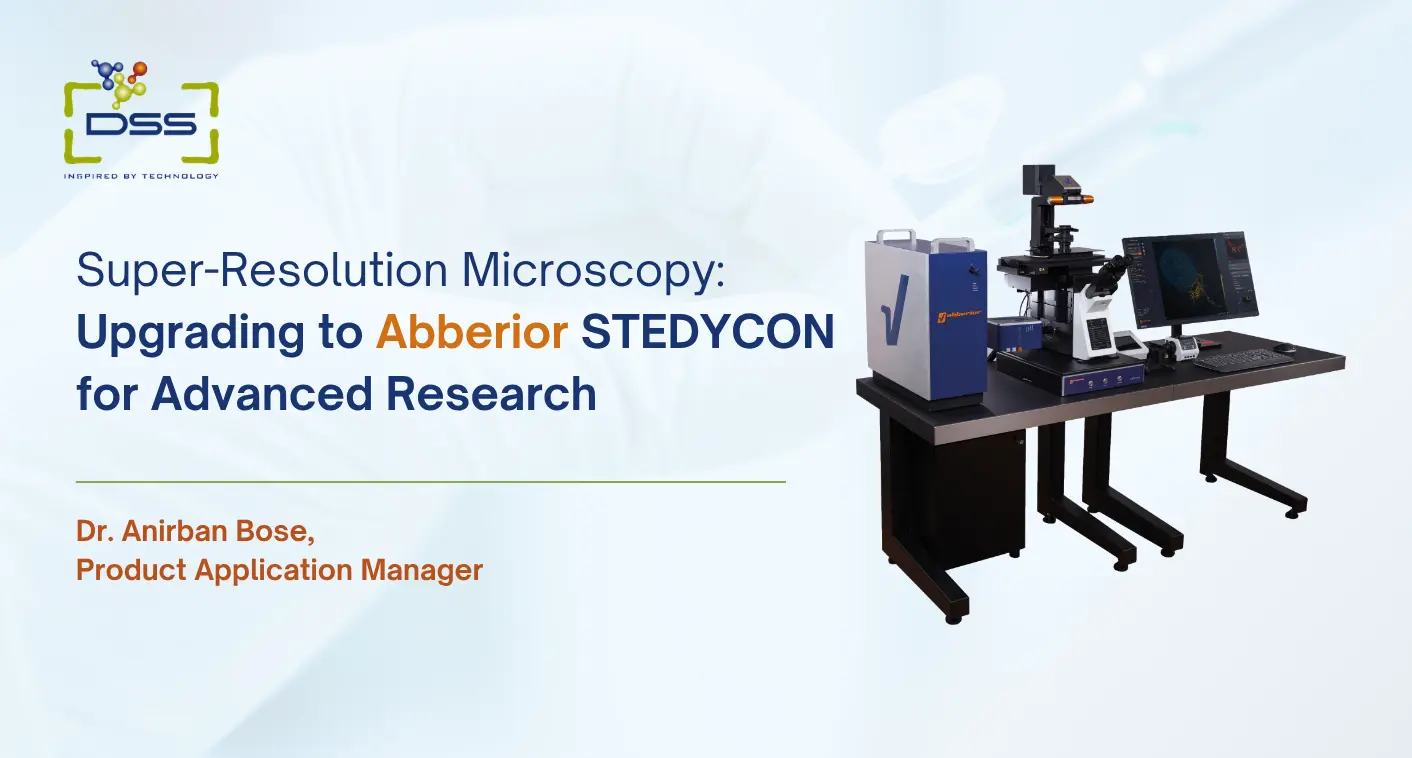
Super-Resolution Microscopy: Upgrading to Abberior STEDYCON for Advanced Research
BY Dr. Anirban Bose (Ph.D.) Product & Application, Manager 5th September 2026
No matter how high-end your conventional fluorescence or confocal microscope is, there is a hard ceiling that eventually becomes incredibly frustrating. You could be trying to get a clear look...
Read More
How to Choose the Right Research Microscope
BY DSS Imagetech Pvt Ltd 14th August 2026
You’re standing there with a procurement form and a budget number. Someone circled in red, and down the hall a colleague is muttering that their old scope “still works fine,...
Read More