DSS: Redefining Biotechnology & Life Science in India





























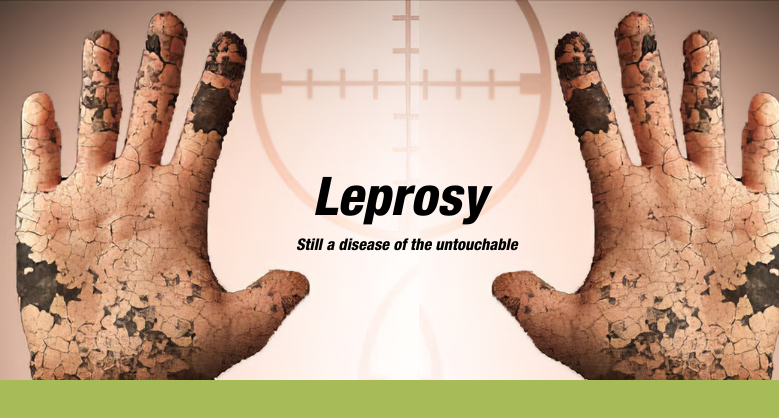
Leprosy – still a disease of the untouchable
Is Leprosy still a disease of the untouchable? Is Leprosy a disease of the poor? Is Leprosy a stigma amongst people? Do we have factual information about this deadly disease?
Read on to know more.
Leprosy is one of the oldest diseases in our history and is also known as Hansen’s disease. Leprosy is caused by Bacteria – “Mycobacterium Leprae”. This type of bacteria has a long incubation of 5 to 15 yrs but symptoms may occur within 1 year. Leprosy causes skin ulcers, nerve damage, muscle weakness that leads to claw-like hands, hair loss, blindness, paralysis and kidney failure hence to save people immediately treatment should be started. Leprosy can cause even blindness thereby manual labour becomes difficult and infected people are unable to earn money for the family which further affects the quality and standard of living of their lives.
World Leprosy Day (WLD) is observed on the last Sunday of January. In India, World Leprosy Day is celebrated on 30 January. The theme focuses on spreading the message that “Leprosy is Curable”
Patients infected by leprosy shed mycobacteria through nasal secretion while they sneeze thereby spreading the infection in air. Doctors too believe that leprosy might be passed from person to person when infected people cough or sneeze or anyone coming close to an infected person.
Leprosy should be suspected if a person shows the following symptoms and immediately consulted-
- Dark-skinned people might have light patches on the skin, while pale-skinned people have darker or reddish patches
- Loss or decrease of sensation on the area of skin patches
- Causing numbness or tingling in hands or feets
- Weakness felt in hands, feet or eyelids
- Nerves starts to pain
- Swelling or lumps is seen in the face or earlobes
- Also any wounds & burns will be less painful than normal
There are many factors that result in spreading or causing leprosy.
- Unhealthy society, poor sanitation and malnutrition.
- Lack of proper knowledge about the disease.
- People staying in crowded places (area of population growth) where people face inequality.
- Poor living conditions can exacerbate the symptoms more.
- Limited access to medicine and treatment.
- Briefly we can say that poor hygiene, sanitation in the rural areas along with unhealthy diets contact this disease very fast.
Following steps to be taken to eradicate, tackle as well as manage from spreading of Leprosy in the community.
- Government, NGO’s or health workers should target in eradicating poverty in order to
remove Leprosy. - Need to educate people about the disease and causes.
- Help then not to shy away once infected which can only increase the spread.
- Train nurses, health workers to start treatment immediately for the infected people and
also spread awareness amongst people the way to tackle this disease. - If there is a possibility of early detection of an infectious person, Leprosy can be eliminated
with treatment thereby reducing the risk of permanent damage of organs. - Spreading information for social acceptance of the infected person.
- Reform laws for discriminating against infected people.
- Mental well-being through psychological first aid and therapeutic counselling for
rehabilitation. - Leprosy can be curable by multidrug therapy (MDT). A 3-drugs regimen (rifampicin,
dapsone and clofazimine) for treatment of both pauci-bacillary and multibacillary types of
leprosy. Prevention of leprosy can also be done through single-dose of Rifampicin for
people staying in a family and having more social contacts.
Statistics
In 2020, Level of leprosy incidence has decreased to 6.2, 6.1 and 3.3 per 100,000 in India, Brazil and Indonesia, respectively, meeting the elimination target of less than 10 per 100,000.
However, elimination may not be possible on time as committed for the high-endemic regions. In India leprosy incidence in 2020 is predicted to be 16.2 in Chhattisgarh, 21.1 in Paradeep and 19.3 in Madurai per 100,000 and the target can only be achieved by the Government in another 5 to 10 years.
There were 202 256 new leprosy cases registered globally in 2019, according to official figures from 161 countries from the 6 WHO Regions.
LET US ALL COME TOGETHER, REMAIN CONSCIOUS AND ELIMINATE THIS OLDEST DISEASE FROM OUR COUNTRY.
Latest Articles
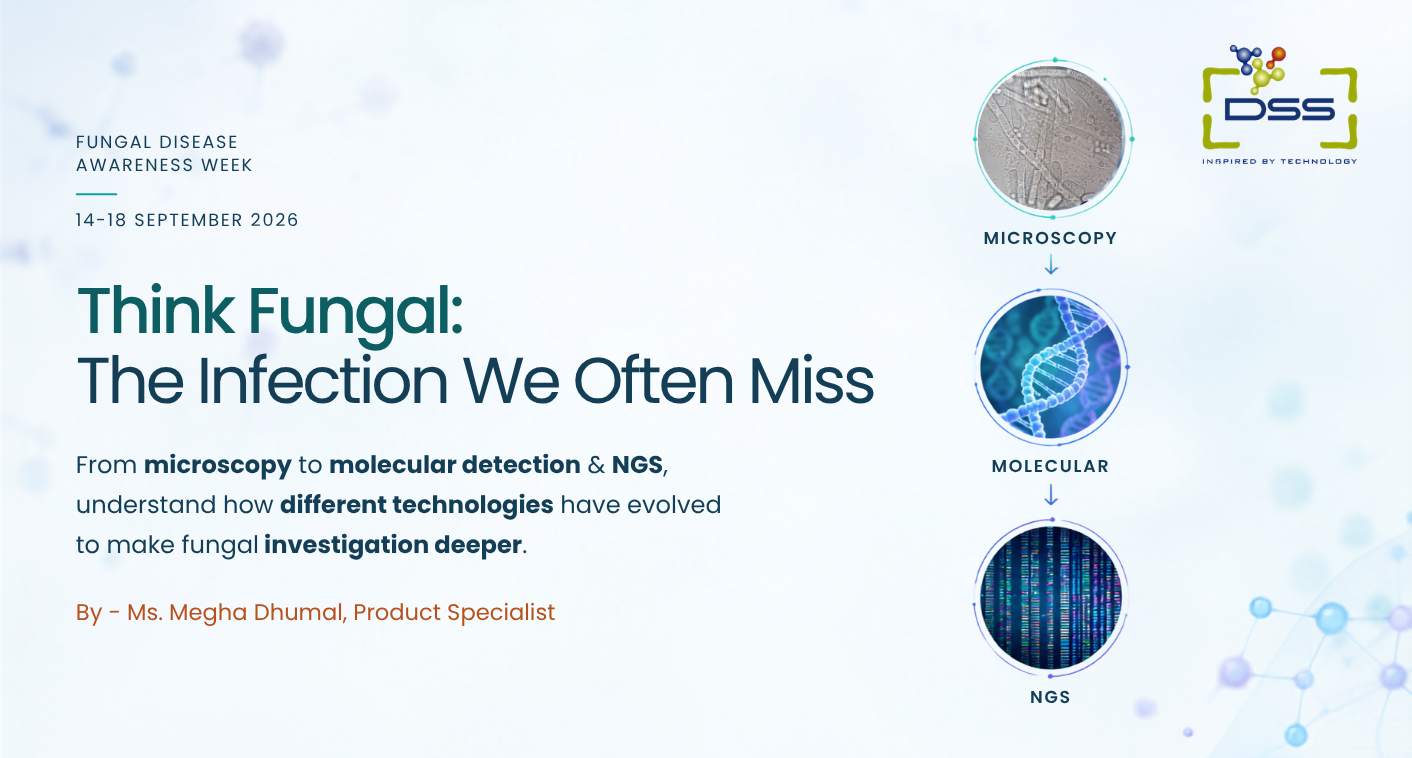
Think Fungal: The Infection We Often Miss
BY Megha Dhumal, Product Specialist 18th September 2026
Fungal Disease Awareness Week | 14–18 September 2026 2026 marks the 10th Annual Fungal Disease Awareness Week, highlighting a decade of efforts to raise awareness of fungal diseases and their...
Read More
Super-Resolution Microscopy: Upgrading to Abberior STEDYCON for Advanced Research
BY Dr. Anirban Bose (Ph.D.) Product & Application, Manager 5th September 2026
No matter how high-end your conventional fluorescence or confocal microscope is, there is a hard ceiling that eventually becomes incredibly frustrating. You could be trying to get a clear look...
Read More
How to Choose the Right Research Microscope
BY DSS Imagetech Pvt Ltd 14th August 2026
You’re standing there with a procurement form and a budget number. Someone circled in red, and down the hall a colleague is muttering that their old scope “still works fine,...
Read More