DSS: Redefining Biotechnology & Life Science in India






























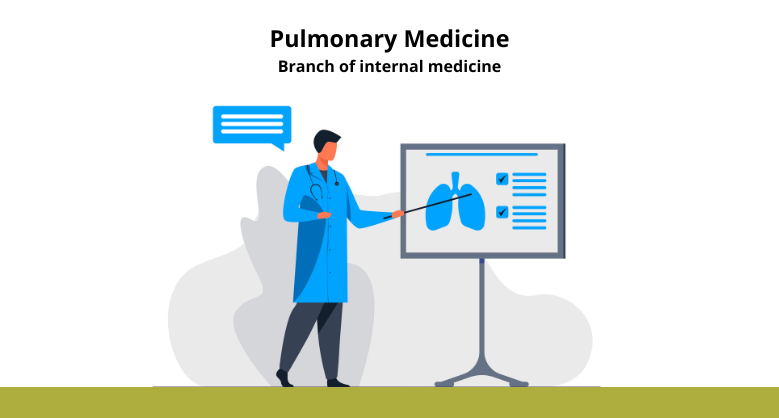
PULMONARY MEDICINE
Pulmonary medicine or pulmonology is a part of internal medicine which help in the diagnosis and manage disorders of the respiratory system which include the lungs, upper airways, thoracic cavity, and chest wall. Initially, it was started as a special branch to treat tuberculosis after that it start dealing with the respiratory system. Doctor who is specially trained in complicated diseases of the respiratory system is called pulmonologists. They diagnose unknown disease and helps in managing complicated disease related to the respiratory system. From the 1950s pulmonary medicine began to evolve into a medical speciality. As the pulmonary medicine evolution start it attracted many researchers and physicians across the country.
Interventional pulmonology is a new field under pulmonary medicine. It uses endoscopy, ultrasound etc for diagnosing and treating patients with a respiratory disorders. These tools are used by pulmonologists who have gained experience.
Interventional Pulmonary Procedure-
- Bronchoscopy– It is the most common diagnostic technique for interventional pulmonology. During the bronchoscopy, the doctor uses a bronchoscope and passes through a person’s mouth or nose into the windpipe. Image from inside each is seen on the screen which helps to check any respiratory problems.
- Endobronchial ultrasound system (EBUS)- On the tip of a bronchoscope ultrasound probe is attached for biopsy of lymph nodes. In experienced hands, the use of EBUS by pulmonologists gives correct diagnosis significantly.
- Pleuroscopy- Pleuroscope is a type of endoscope through the chest cavity when a small incision is made near the chest wall. Pleuroscopy can diagnose the inner lining of the lungs and show the outer edges of the lung which can’t be seen by bronchoscopy.
- Thoracentesis– A needle is inserted into the chest wall to remove pleural effusion (To drain fluid from around the lungs).
Interventional pulmonology procedure carries low risks and has a shorter recovery time than any surgery but has some complications which include bleeding, collapsing of lungs, pneumonia etc.
At last, it all depends on patients to do surgery or take pulmonary medicine to diagnose and treat disease.
Latest Articles

Think Fungal: The Infection We Often Miss
BY Megha Dhumal, Product Specialist 18th September 2026
Fungal Disease Awareness Week | 14–18 September 2026 2026 marks the 10th Annual Fungal Disease Awareness Week, highlighting a decade of efforts to raise awareness of fungal diseases and their...
Read More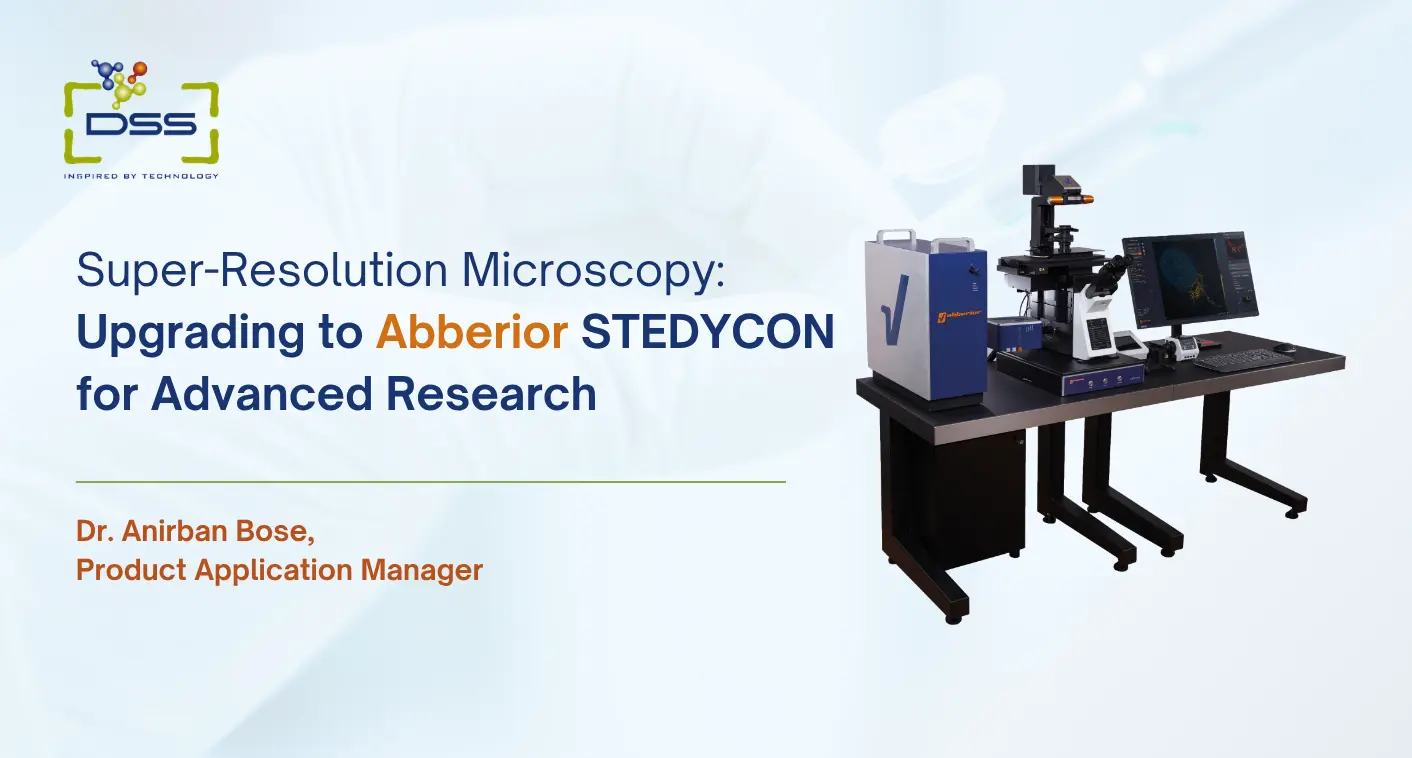
Super-Resolution Microscopy: Upgrading to Abberior STEDYCON for Advanced Research
BY Dr. Anirban Bose (Ph.D.) Product & Application, Manager 5th September 2026
No matter how high-end your conventional fluorescence or confocal microscope is, there is a hard ceiling that eventually becomes incredibly frustrating. You could be trying to get a clear look...
Read More
How to Choose the Right Research Microscope
BY DSS Imagetech Pvt Ltd 14th August 2026
You’re standing there with a procurement form and a budget number. Someone circled in red, and down the hall a colleague is muttering that their old scope “still works fine,...
Read More