DSS: Redefining Biotechnology & Life Science in India



























 0
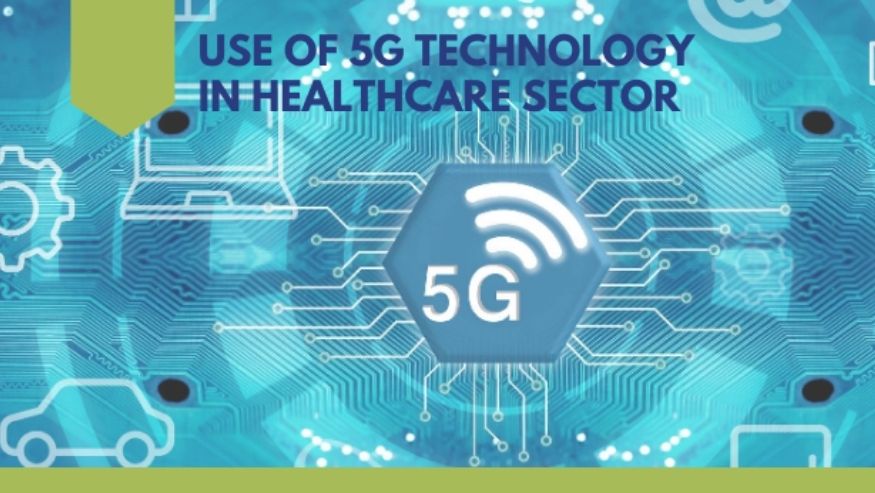
Use of 5G Technology in Health Care Sector
5G stands for 5th Generation Cellular Wireless Technology. Today somehow it may be considered as an upgraded version of 4G LTE but in years to come, it will change the outlook of many industries including the Healthcare Sector.
Although the primary implementation of 5G will happen in Mobile telephony, in the near future Retail, Education, Entertainment & Health Care Industry will follow a massive growth with its application.
Few basic features of 5G Technology are as follows:
- Data rate: 20 Gbps downlink & 10 Gbps uplink
- Spectral Efficiency: 30 bits/Hz downlink & 15 bits/Hz uplink
- Bandwidth: Low band- 600- 900 MHz, Mid band- 2.5 – 4.2 GHz & mmWave – above 4.2 GHz
- Latency: 1- 4 ms
- Connectivity Capacity: 1 million devices/ sq Km
- Components of Network: Radio Access Network (Small cell & Macro) & Core Access Network
Economic impact of 5G Technology:
Study conducted by Qualcomm ( Who has launched World’s first 5G Chipset) reveals that the full impact of 5G will emerge in 2035 by generating a Revenue upto $ 12.3 Trillion which will create 22 million jobs.
USA & South Korea became the pioneer countries to launch 5G Technology in April 2019. China also claimed to provide 5G Commercial Licences to its Service providers. India is not lagging far behind. From March 2018 onwards, Ericsson has created a test base at IIT, Delhi.
Utility of 5G in Healthcare Industry:
5G has the capacity of huge data transfer with extremely low latency. Large data files in GBs can be shared with the wink of an eye. Capacity, Latency & Customization will be the basis of a futuristic development of the Healthcare sector.
Telemedicine & Telepathology:
Doctors will assist the patients of remote areas by observing them from a distance with uninterrupted Video Conferencing and sharing of large data files like CT, MRI Reports, Cardiac profile maintenance reports, etc. Point-of-Care (POC) pocket-size connected devices will be developed to monitor a patient’s health condition continuously and notify the physicians.
Telesurgery:
Doctors at a distance will perform Telesurgery by assisting the Robots. The Chinese Press has already claimed for a Credit of a Brain Surgery of a Patient by a Doctor from 1800 miles away- the 1st reported wireless Telesurgery. Today’s Surgical Robots are very large in size. In future 5G enabled smaller & more agile Robots will enhance the capability of Telesurgery.
Remote controlled devices:
Healthcare devices connected to the network will talk with each other. In pandemic situations like COVID 19, wards & patients can be managed remotely with these devices without risking human lives.
Virtual Reality (VR):
Application of VR to treat patients more efficiently has already started. Eradication of pain, anxiety, and fear during a course of treatment can be reduced considerably by using devices of VR. Using 5G Technology it will be much easier & more reliable to use VR gear with added AI.
The scope is endless. We should have to explore it judiciously. Using 5G technology, the Internet of Things (IoT) will transform into an “Internet of Skills” to a domain of “Internet of Medicine” (IoM).
Latest Articles
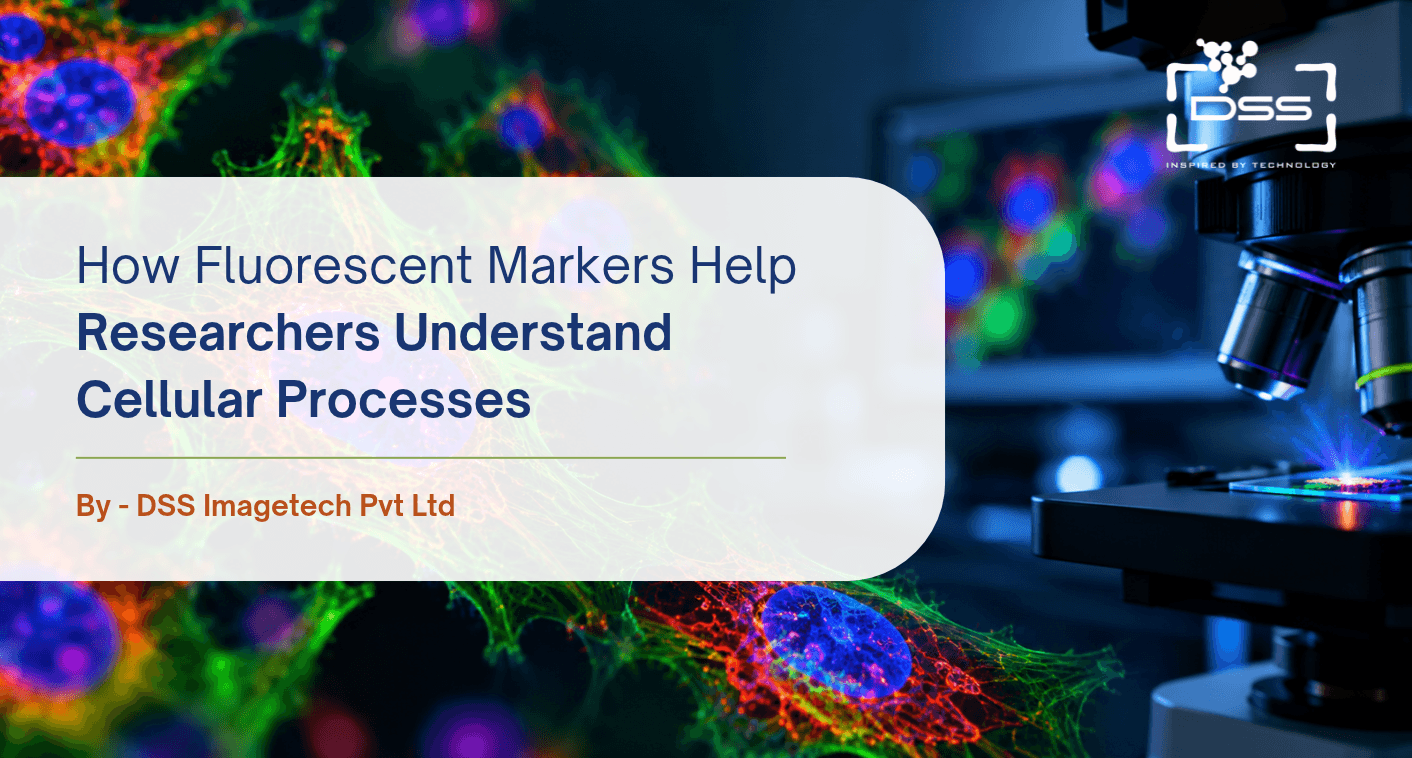
How Fluorescent Markers Help Researchers Understand Cellular Processes: A Practical...
BY DSS Imagetech Pvt Ltd 23rd October 2026
Put a living cell under a normal microscope, and honestly, it’s a bit of a letdown. You get a pale blob. Maybe a darker blob inside it, if the lighting’s...
Read More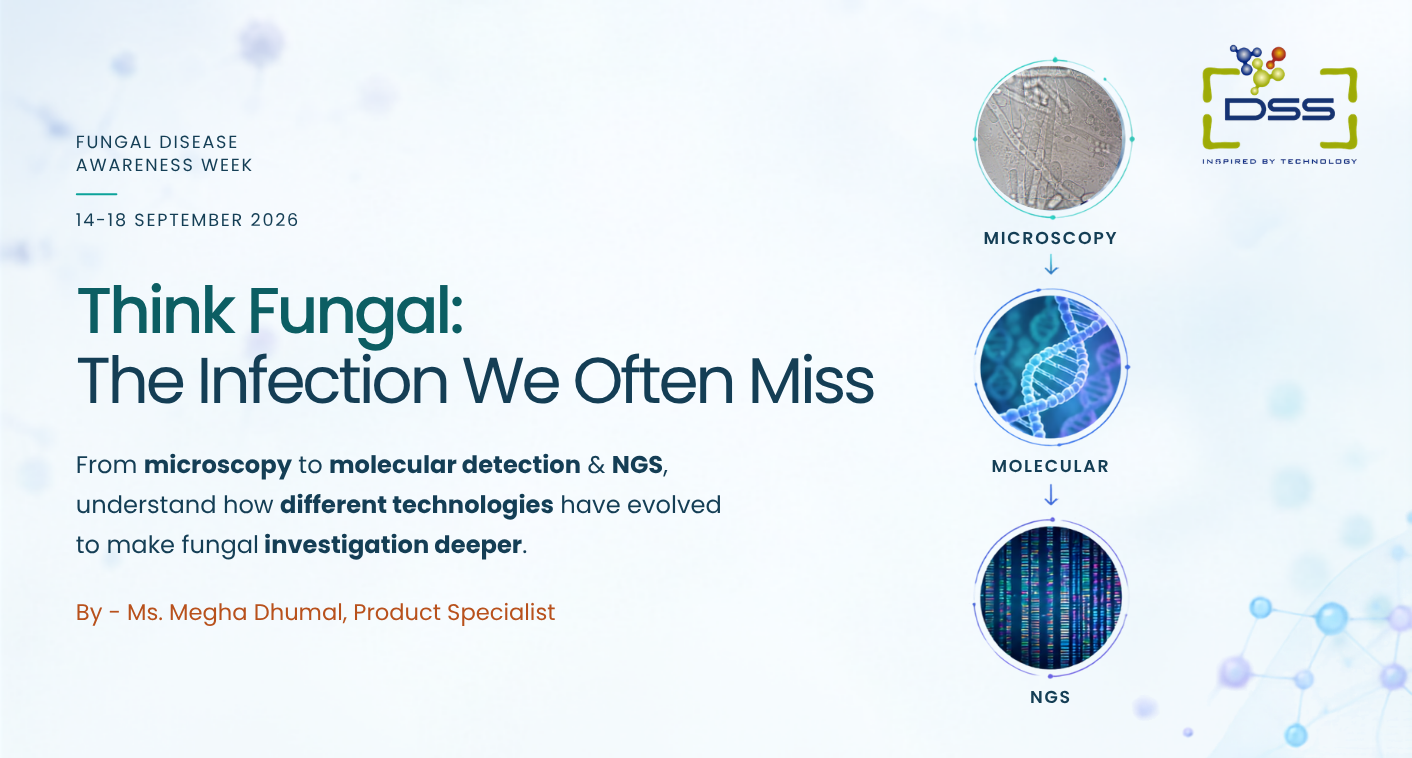
Think Fungal: The Infection We Often Miss
BY Megha Dhumal, Product Specialist 18th September 2026
Fungal Disease Awareness Week | 14–18 September 2026 2026 marks the 10th Annual Fungal Disease Awareness Week, highlighting a decade of efforts to raise awareness of fungal diseases and their...
Read More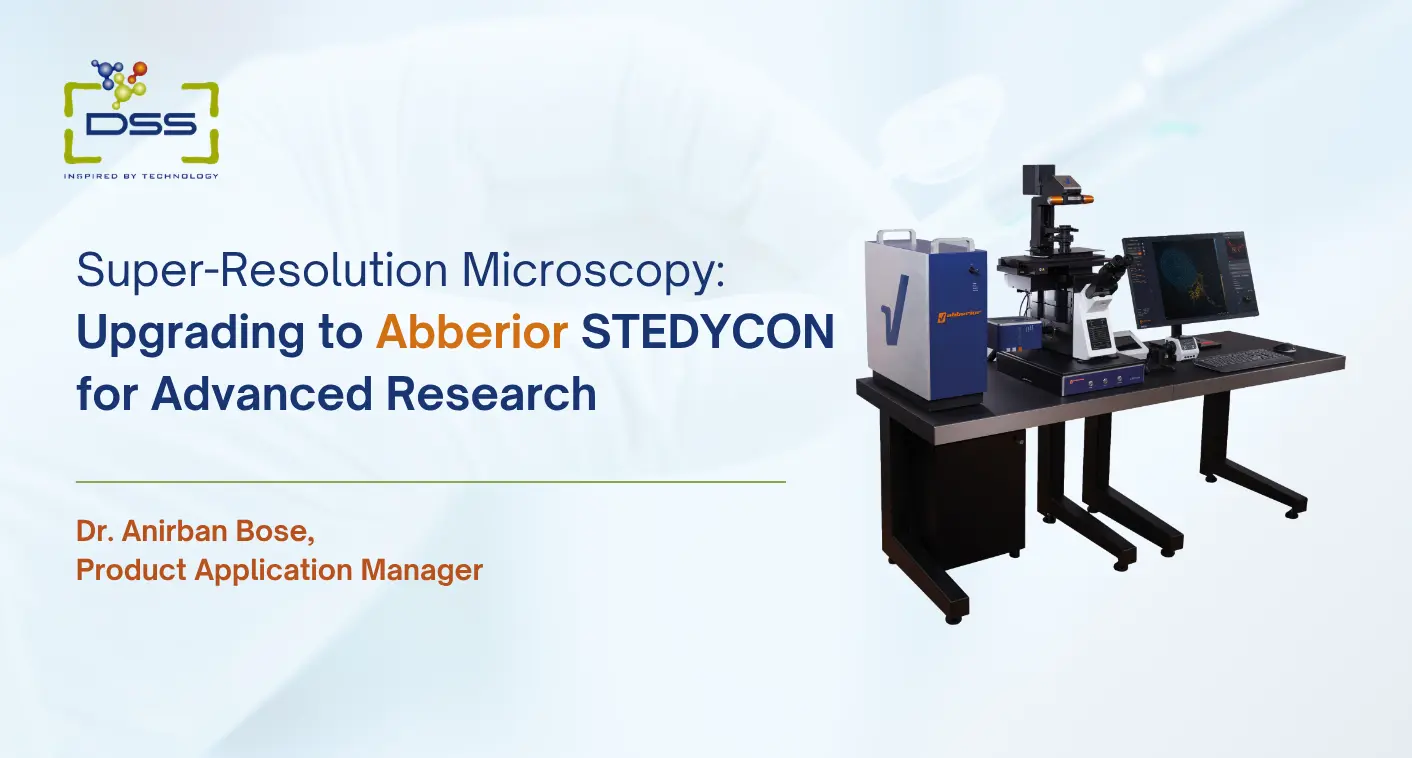
Super-Resolution Microscopy: Upgrading to Abberior STEDYCON for Advanced Research
BY Dr. Anirban Bose (Ph.D.) Product & Application, Manager 5th September 2026
No matter how high-end your conventional fluorescence or confocal microscope is, there is a hard ceiling that eventually becomes incredibly frustrating. You could be trying to get a clear look...
Read More