DSS: Redefining Biotechnology & Life Science in India






























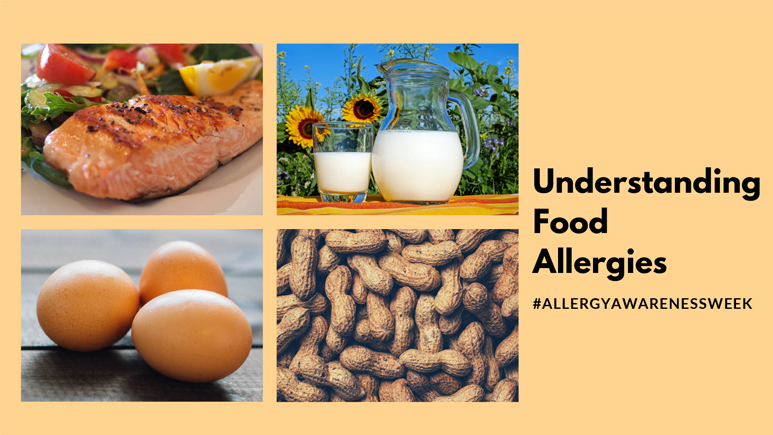
Food Allergens
Food allergens are typically naturally-occurring proteins in foods or derivatives of them. Food allergy is an abnormal response to a food allergen triggered by our body’s immune system. Although practically all foods have the capacity of triggering an allergic reaction, there are some common foods that cause the majority of reactions (Sobczak et. al., 2013). The allergic reaction can range from uncomfortable symptoms, such as itchy skin and diarrhea, to a potentially life-threatening reaction called anaphylaxis. The foods that most often trigger allergic reactions are milk, eggs, fish (e.g., bass, flounder, cod), Crustacean group (e.g. crab, lobster, shrimp), Tree nuts (e.g., almonds, walnuts, pecans) Peanuts, Gluten, Soybeans etc.
Gluten is one of the common food allergens present in wheat, rye, barley and their derivatives. Celiac disease is an autoimmune response towards gluten and so to avoid allergic reaction it is important to choose the food product wisely. (Singh et al., 2019). Peanut is another most common allergen and a tiny amount can trigger a major reaction. Even just touching peanuts can bring on a reaction for some people. Milk too comes under a common allergen. One can avoid eating peanuts but people allergic to milk which is a staple food need to find another source for calcium and protein. If you or a member of your family has a food allergy, getting an alert about a product that contains an allergen can be a life-saver.
The diagnosis of the food allergen is a challenge as we consume so many simples to complex food items in a day. The diagnosis is done by a combination of methods like Skin prick test, Blood test, Elimination diet and Physician-supervised blinded oral food challenge.
The basic way of food allergy treatment is to avoid food ingredients that cause allergic reactions. It is important to choose your meal components wisely by checking the ingredients list carefully. In some cases, elimination doesn’t only include avoiding the particular food; it also includes never inhaling it, touching it, or eating foods with traces of it inside. When eating out, one should be vigilant towards food selection.
Reference:
W, Sobczak, P. Wróblewska, P. Adamczuk and P. Kopczyński. (2013). Causes, symptoms and prevention of food allergy. Postepy Dermatol Alergol; 30(2): 113–116. K.P. Singh, T. Chakraborty, B. Bhatti, S. Verma and A. Kandhari. (2019). Rapid and sensitive DNA based method for the detection of gluten allergen in food. International Conference on Food Technology, Agriculture, Environment and Allied Sciences. Shyama Prasad Mukherji College for Women, University of Delhi, 6th April 2019, P57-57.
Latest Articles
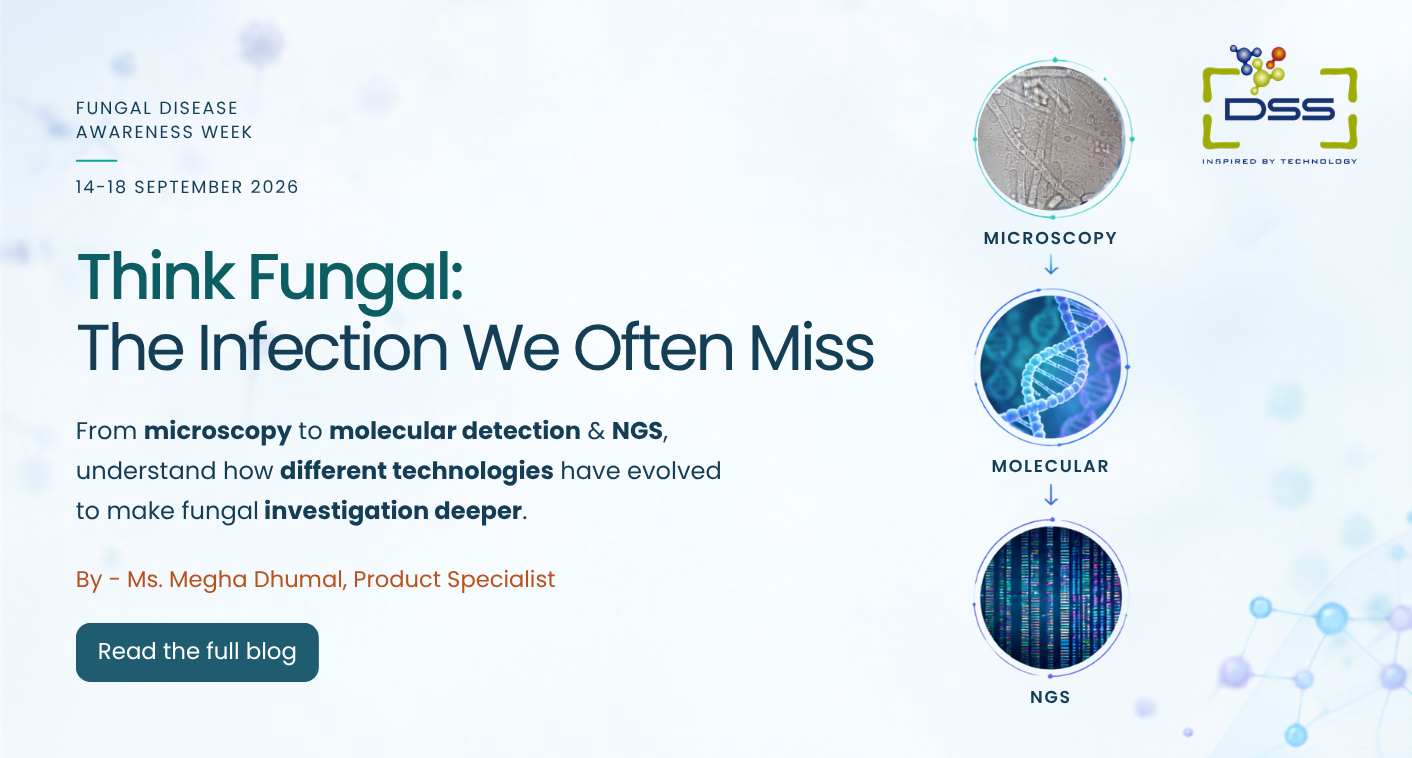
Think Fungal: The Infection We Often Miss
BY Megha Dhumal, Product Specialist 18th September 2026
Fungal Disease Awareness Week | 14–18 September 2026 2026 marks the 10th Annual Fungal Disease Awareness Week, highlighting a decade of efforts to raise awareness of fungal diseases and their...
Read More
Super-Resolution Microscopy: Upgrading to Abberior STEDYCON for Advanced Research
BY Dr. Anirban Bose (Ph.D.) Product & Application, Manager 5th September 2026
No matter how high-end your conventional fluorescence or confocal microscope is, there is a hard ceiling that eventually becomes incredibly frustrating. You could be trying to get a clear look...
Read More
How to Choose the Right Research Microscope
BY DSS Imagetech Pvt Ltd 14th August 2026
You’re standing there with a procurement form and a budget number. Someone circled in red, and down the hall a colleague is muttering that their old scope “still works fine,...
Read More