DSS: Redefining Biotechnology & Life Science in India





















Down’s Syndrome Day
21st March, the day people who live or work with Down’s syndrome throughout the world organize and participate in activities to increase public awareness. Down’s syndrome, also called trisomy 21, is a congenital disorder caused by the extra copy of genetic material from chromosome 21 in the human genome. Two chromosomes with one extra copy of chromosome result into a condition known as trisomy 21. British physician John Langdon Down first described the physical features of Down syndrome in 1866, and thus the disorder was later named after him. Some common symptoms include a small head, short neck, flattened face, up-slanted eyes, enlarged tongue and lips, and sloping under the chin. Other features include poor muscle tone, heart or kidney malformations (or both), and intellectual disability.
Down syndrome occurs in about 1 in roughly every 700–1,100 live births. Screening tests using ultrasound and maternal blood samples collected after the 10th week of pregnancy can be analyzed using specially designed fragments of DNA, known as probes, that are capable of recognizing and binding to fetal DNA carrying the extra chromosome associated with trisomy 21. The probes are labelled with a molecular marker (e.g., a fluorescent dye), fetal cells carrying the extra chromosome can be easily detected using Karyotyping. DSS has a complete solution of Karyotyping and FISH techniques ranging from research bright field and fluorescent microscopes (Olympus), Imaging and analysis platforms (ASI), probes (Abbott India Ltd) and hybridization chambers (EuroClone, Abbott).
Latest Articles
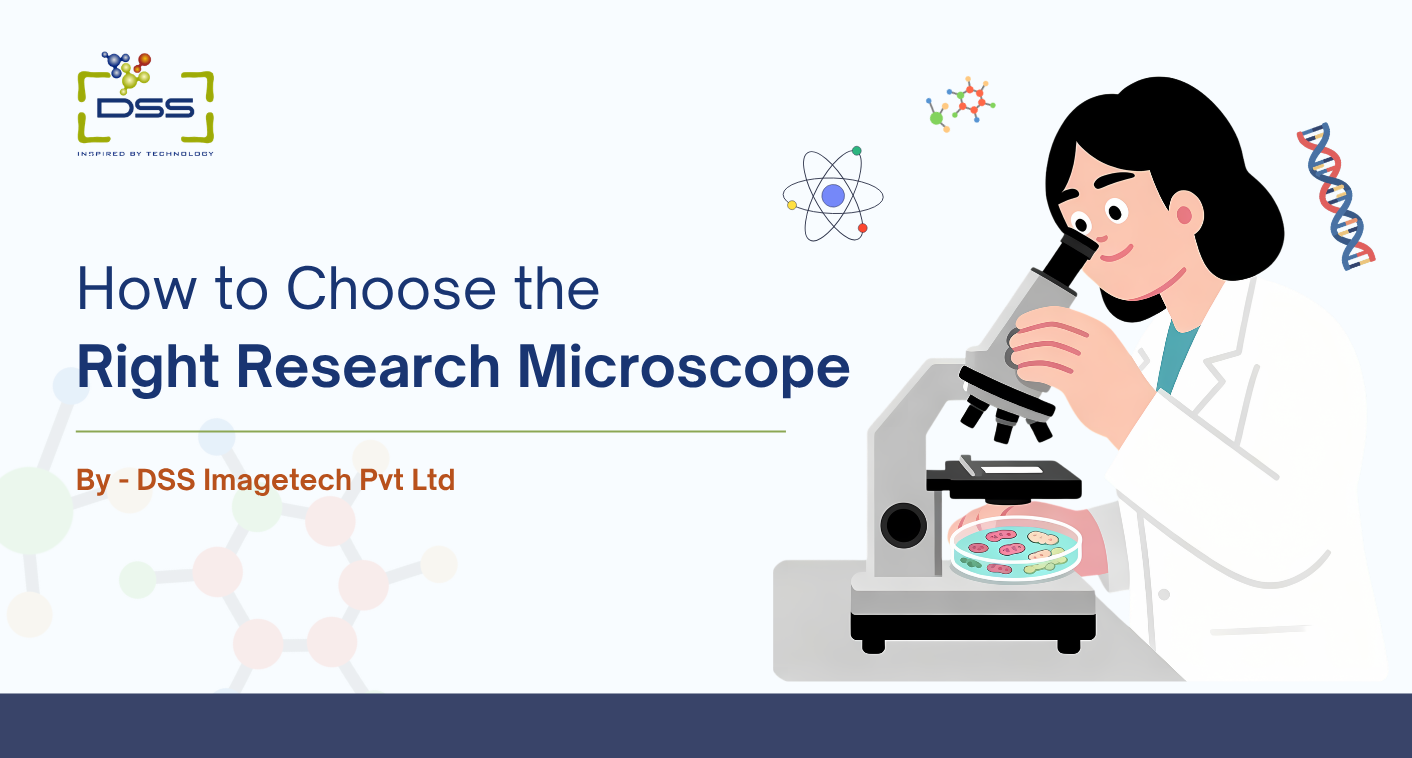
How to Choose the Right Research Microscope
BY DSS Imagetech Pvt Ltd 14th August 2026
You’re standing there with a procurement form and a budget number. Someone circled in red, and down the hall a colleague is muttering that their old scope “still works fine,...
Read More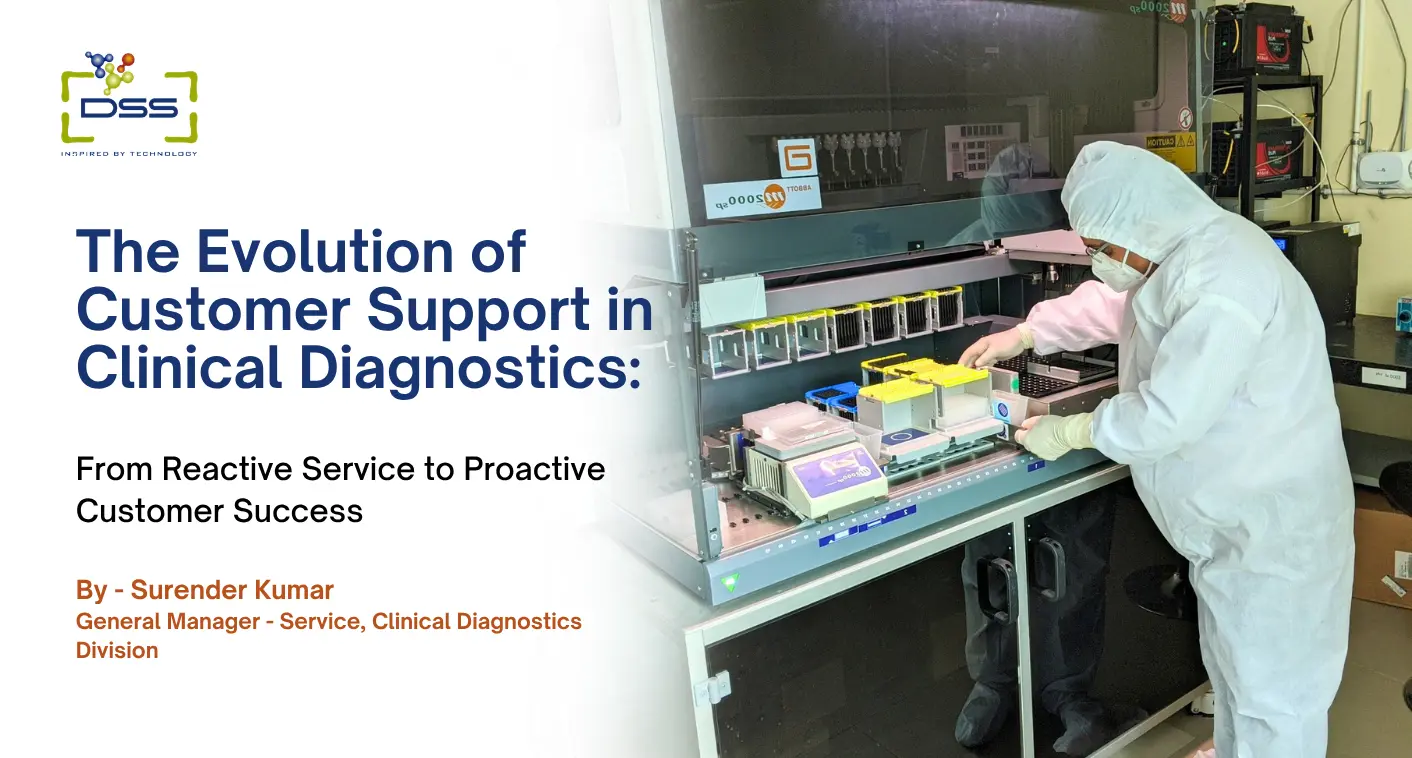
The Evolution of Customer Support in Clinical Diagnostics
BY Surender Kumar | General Manager – Service, Clinical Diagnostics Division 23rd July 2026
How Customer Expectations Have Changed Over the Last 20 Years “Customer Support is no longer a cost center—it is a competitive advantage.” Twenty years ago, customer support was primarily viewed...
Read More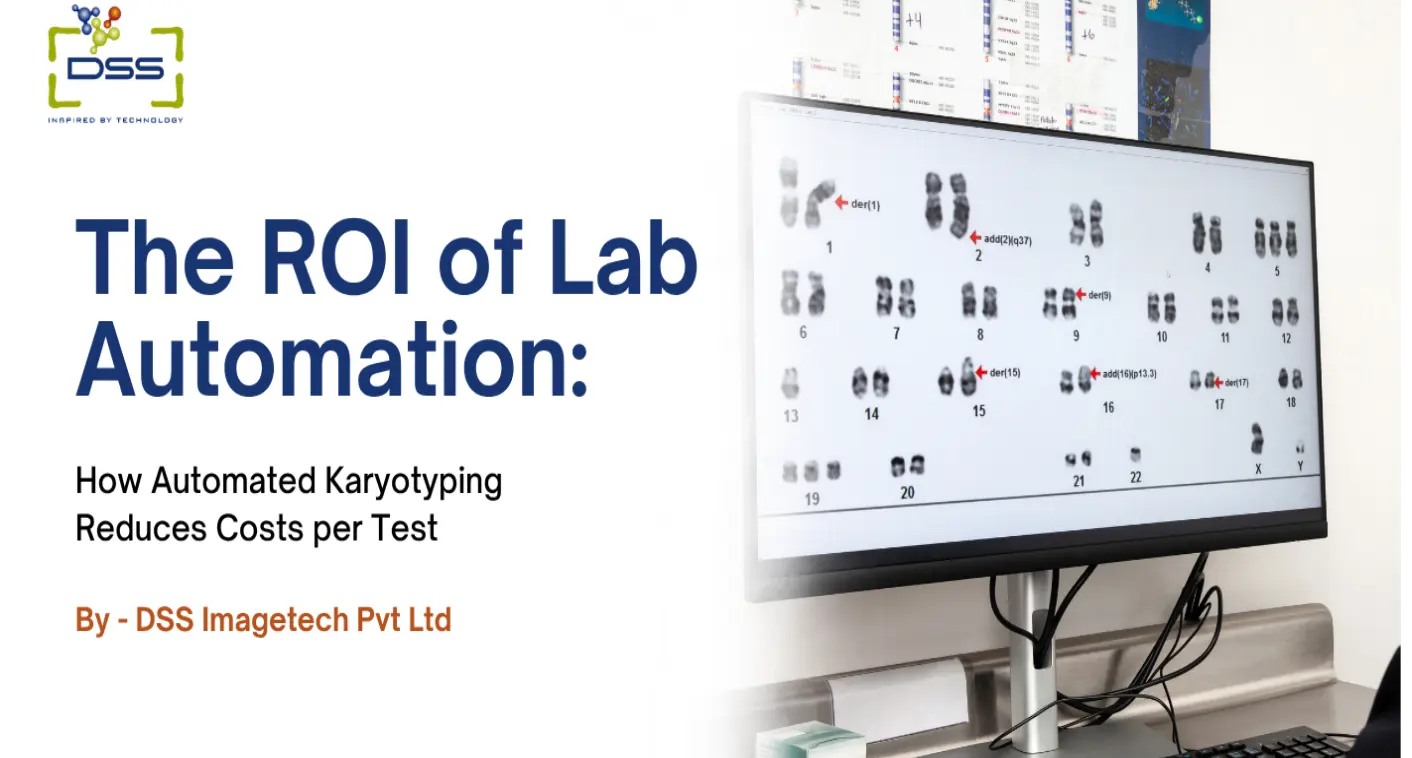
The ROI of Lab Automation: How Automated Karyotyping Reduces Costs...
BY DSS Imagetech 13th July 2026
If you walk into almost any cytogenetics lab across India right now, you’ll probably hear the exact same complaint. Lab directors are staring at their monthly numbers, calculating just how...
Read More