DSS: Redefining Biotechnology & Life Science in India






























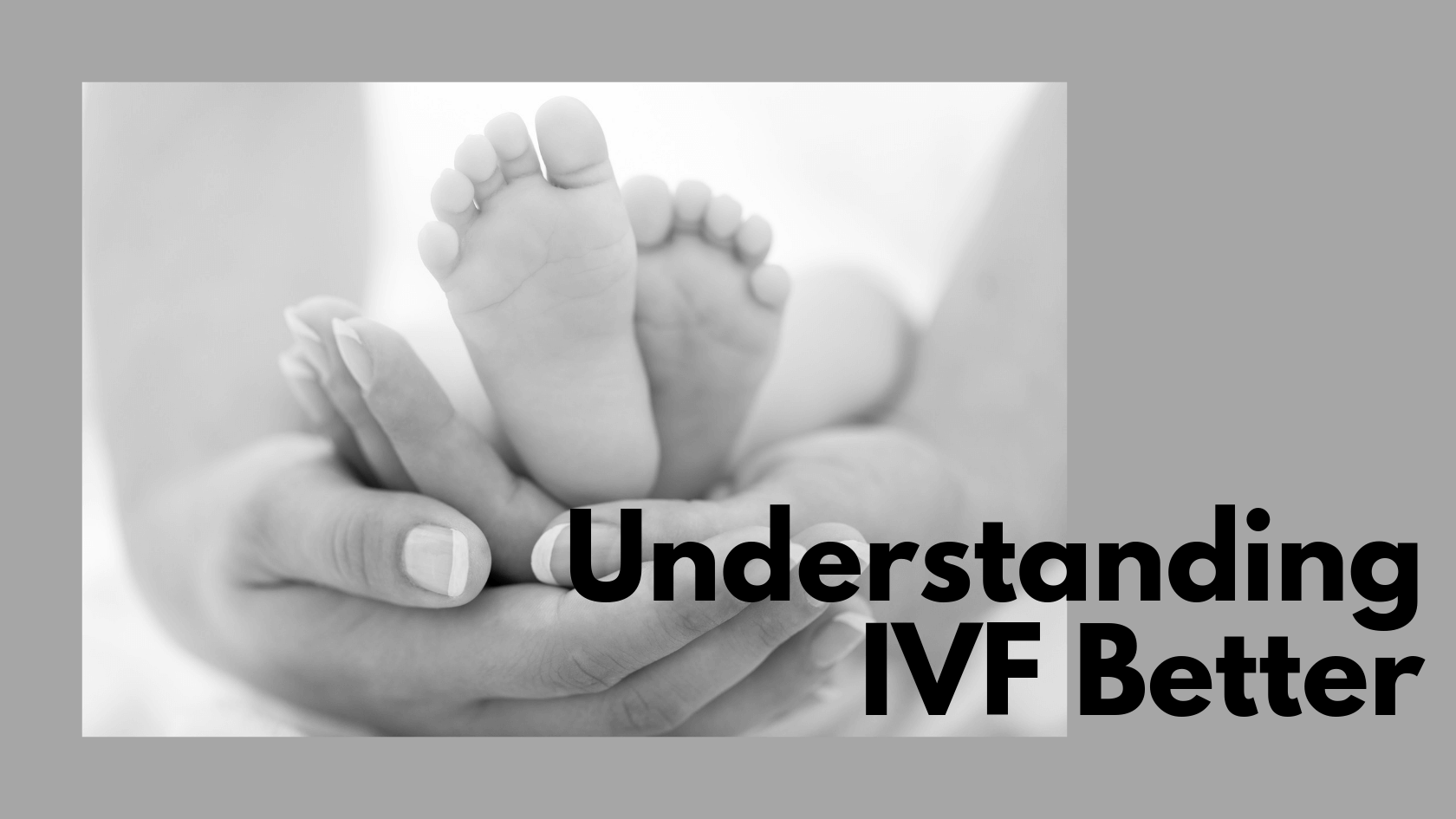
Understanding In vitro fertilization (IVF) Better
IVF (In vitro fertilisation) is a type of assisted reproductive technology (ARTs) used for infertility treatment and gestational surrogacy. A fertilized egg may be implanted into a surrogate’s uterus, and the resulting child is genetically unrelated to the surrogate. In a normal pregnancy, a male sperm penetrates a woman’s egg and fertilizes it inside her body after ovulation, when a mature egg has been released from the ovaries. The fertilized egg then attaches itself to the wall of the uterus, or womb, and begins developing into a baby. This is known as natural conception. However, if natural or unassisted conception is not possible, fertility treatment is an option. IVF has been used since the late 1970s. On 25 July 1978, the first “test-tube baby,” Louise Brown, was born.
There are five basic steps for In vitro fertilisation:
Step 1: Superovulation
- Medicines, called fertility drugs, are given to the woman to boost egg production.
- Normally, a woman produces one egg per month. Fertility drugs tell the ovaries to produce several eggs.
Step 2: Egg retrieval and Maturation
- A minor surgery, called follicular aspiration or ovum pickup, is done to remove the eggs from the woman’s body.
- Using ultrasound images as a guide, the health care provider inserts a thin needle through the vagina and into the ovary and follicles containing the eggs. The needle is connected to a suction device, which pulls the eggs and fluid out of each follicle, one at a time.
- In rare cases, a pelvic laparoscopy may be needed to remove the eggs. If a woman does not or cannot produce any eggs, donated eggs may be used.
- The collected oocytes are matured in vitro under CO2 Incubator.
Step 3: Insemination and Fertilization
- The man’s sperm is processed and placed together with the best quality eggs. The mixing of the sperm and egg is called insemination.
- Eggs and sperm are then stored in an environmentally controlled chamber called CO2 Incubator. The sperm most often enters (fertilizes) an egg a few hours after insemination.
- Sometimes the sperm is directly injected into the egg. This is known as Intra-cytoplasmic Sperm Injection (ICSI).
Step 4: Embryo culture
- When the fertilized egg divides into 2 cells, 4 cells, 8-16 cells stage, it becomes an embryo. Within about 5 days, a normal embryo has several cells known as morula and blastocysts inside the CO2 Incubator.
Step 5: Embryo transfer
- Transfer of cultured embryos into the woman’s womb 3 to 5 days after egg retrieval and fertilization is known as embryo transfer.
- The procedure is done in the doctor’s office while the woman is awake. The doctor inserts a thin tube (catheter) containing the embryos into the woman’s vagina up into the womb. If an embryo sticks to (implants) in the lining of the womb and grows, pregnancy results.
- More than one embryo may be placed into the womb at the same time, which can lead to twins, triplets, or more. The exact number of embryos transferred is a complex issue that depends on many factors, especially the woman’s age.
- Unused embryos may be frozen and implanted or donated at a later date.
Advantages of IVF
Nowadays infertility in male and female both is a major concern in the world, many factors involved for this may be due to lifestyle, adulterated food, smoking, medicines and many more. In vitro fertilisation helps many patients who would otherwise be unable to conceive.
The ultimate advantage of IVF is achieving a successful pregnancy and a healthy baby. IVF can make this a reality for people who are infertile or unable to have a baby with some of the following problems:
Blocked tubes: For women with blocked or damaged fallopian tubes, In vitro fertilisation provides the best opportunity of having a child using their eggs.
Patients with a low ovarian reserve: IVF can be used to maximize the chance of older and low ovarian reserve patients conceiving.
Male infertility: Couples with a male infertility problem will have a much higher chance of conceiving with IVF than conceiving naturally.
PCOS: Polycystic ovary syndrome is a common condition in which there is a hormone imbalance leading to irregular menstrual cycles. In vitro fertilisation has proved very successful in patients with PCOS, who will not conceive with ovulation induction.
Endometriosis: Patients with endometriosis, where parts of the womb lining grow outside the womb, IVF has proved very successful.
Premature ovarian failure: Women with premature ovarian failure or menopause can have IVF treatment using donor eggs, which typically has high success rates.
Latest Articles
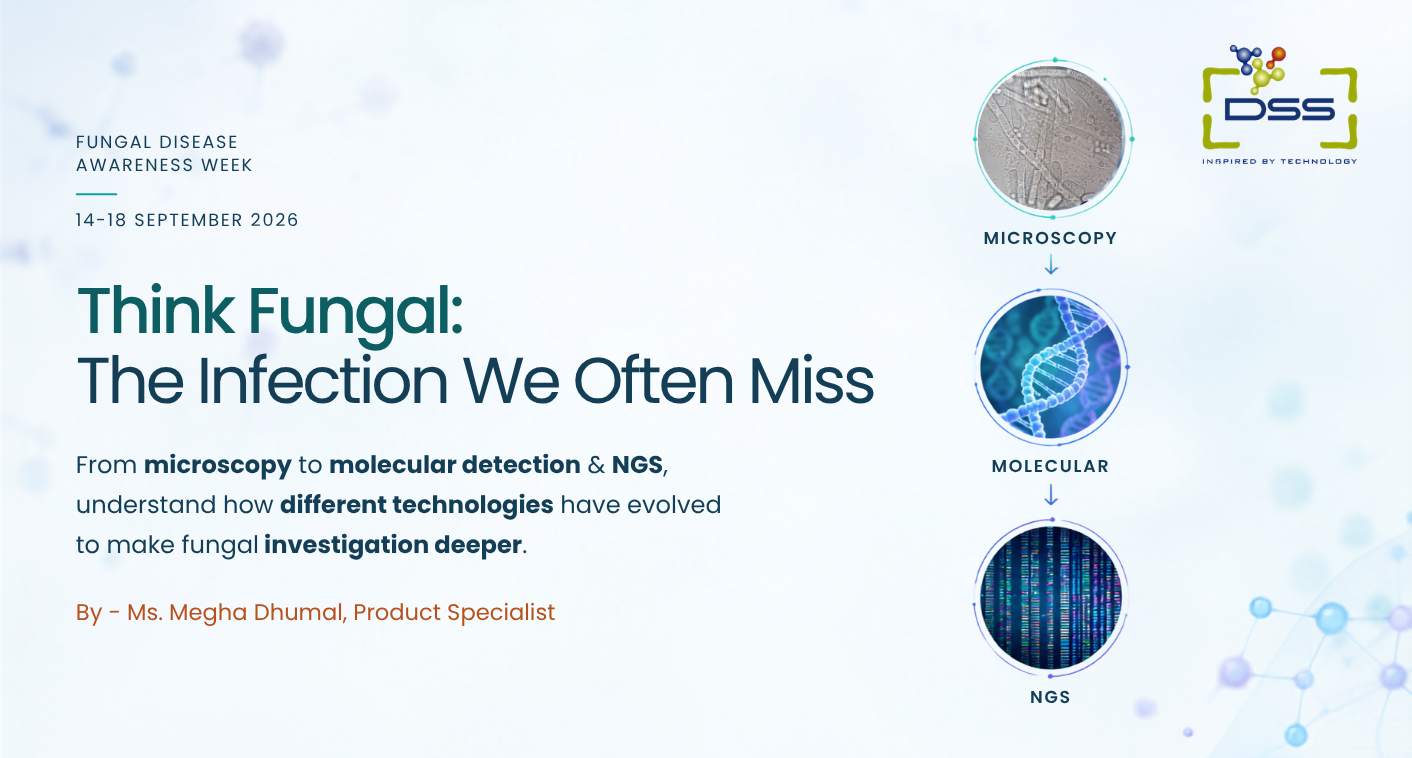
Think Fungal: The Infection We Often Miss
BY Megha Dhumal, Product Specialist 18th September 2026
Fungal Disease Awareness Week | 14–18 September 2026 2026 marks the 10th Annual Fungal Disease Awareness Week, highlighting a decade of efforts to raise awareness of fungal diseases and their...
Read More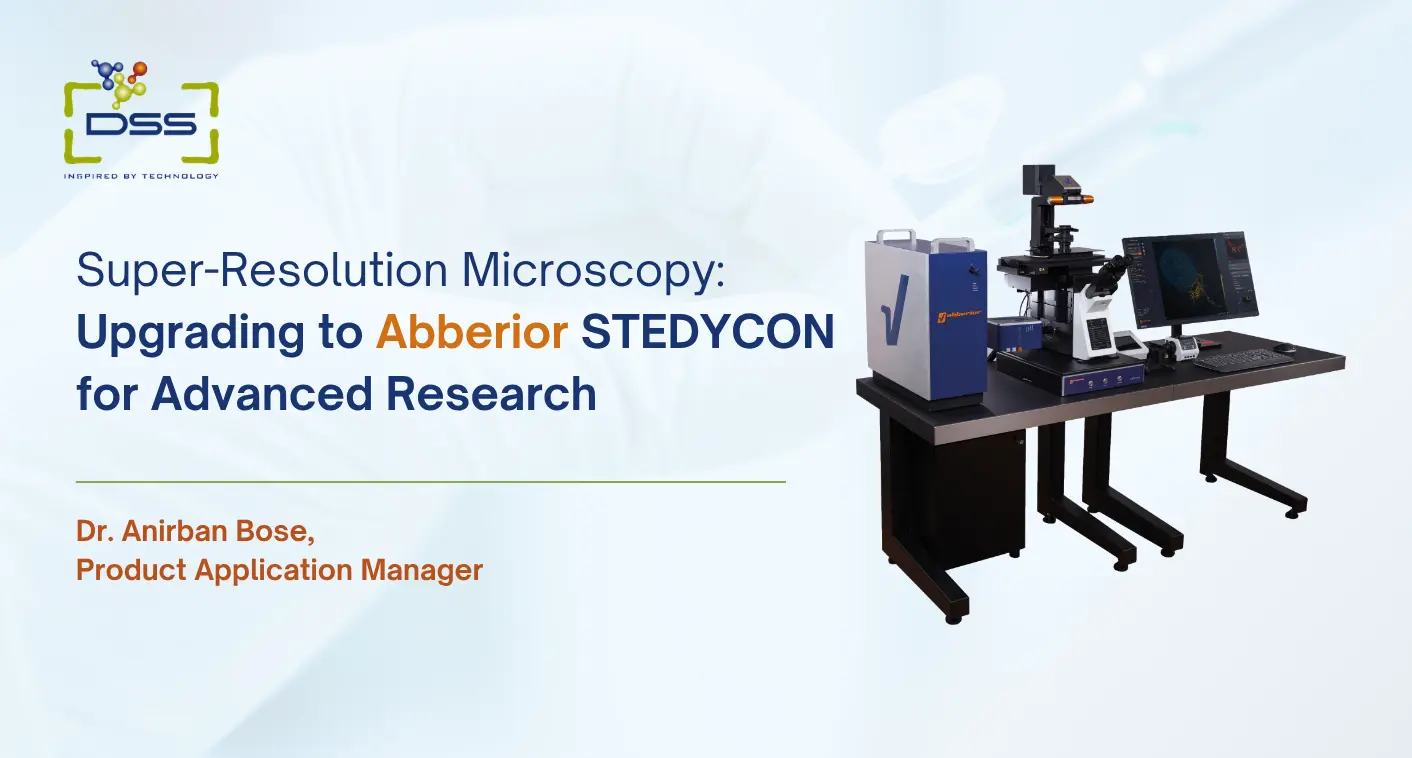
Super-Resolution Microscopy: Upgrading to Abberior STEDYCON for Advanced Research
BY Dr. Anirban Bose (Ph.D.) Product & Application, Manager 5th September 2026
No matter how high-end your conventional fluorescence or confocal microscope is, there is a hard ceiling that eventually becomes incredibly frustrating. You could be trying to get a clear look...
Read More
How to Choose the Right Research Microscope
BY DSS Imagetech Pvt Ltd 14th August 2026
You’re standing there with a procurement form and a budget number. Someone circled in red, and down the hall a colleague is muttering that their old scope “still works fine,...
Read More