DSS: Redefining Biotechnology & Life Science in India






























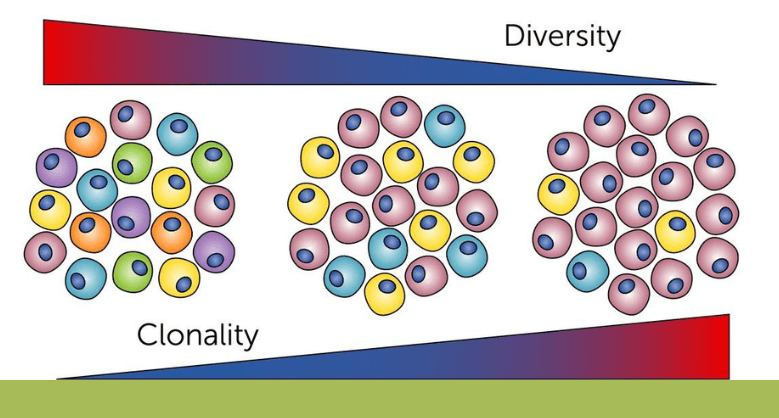
CLONALITY
Clonality explains the function of immune cell response(lymphocytes) specific to a particular antigen. It is a widespread approach for studying antibody formation toward immune response. Leukemia & lymphomas originate from lymphoid cells due to malignant transformation and are cell-specific or ‘clonal’ antigen receptor gene rearrangements. There are different types of clonality like monoclonal (from one clone), oligoclonal (from a few clones) and polyclonal (derived from many clones). These are used for testing antibiotics or in immunology.
What is Clonality Testing?
Clonal testing is the detection of antibiotics or immunoglobulin and T-cell receptor gene rearrangements with the help of different approaches like PCR assays, Southern blotting analyses, next-generation sequencing analysis etc. In-vitro assays also detect clonal rearrangement which ultimately helps to treat malignancies.
Various applications of clonality testing are-
- identification of clonal B-cell and T-cell malignancies.
- identification of gene rearrangements in hematologic samples.
- Identifying clonal rearrangements of the immunoglobulin heavy chain (IGH) gene in patients with chronic lymphocytic leukaemia (CLL) and small lymphocytic lymphoma (SLL).
So, there are various other applications of clonality testing which help to detect them. And its requirement is going to increase in near future.
Latest Articles

How to Choose the Right Research Microscope
BY DSS Imagetech Pvt Ltd 14th August 2026
You’re standing there with a procurement form and a budget number. Someone circled in red, and down the hall a colleague is muttering that their old scope “still works fine,...
Read More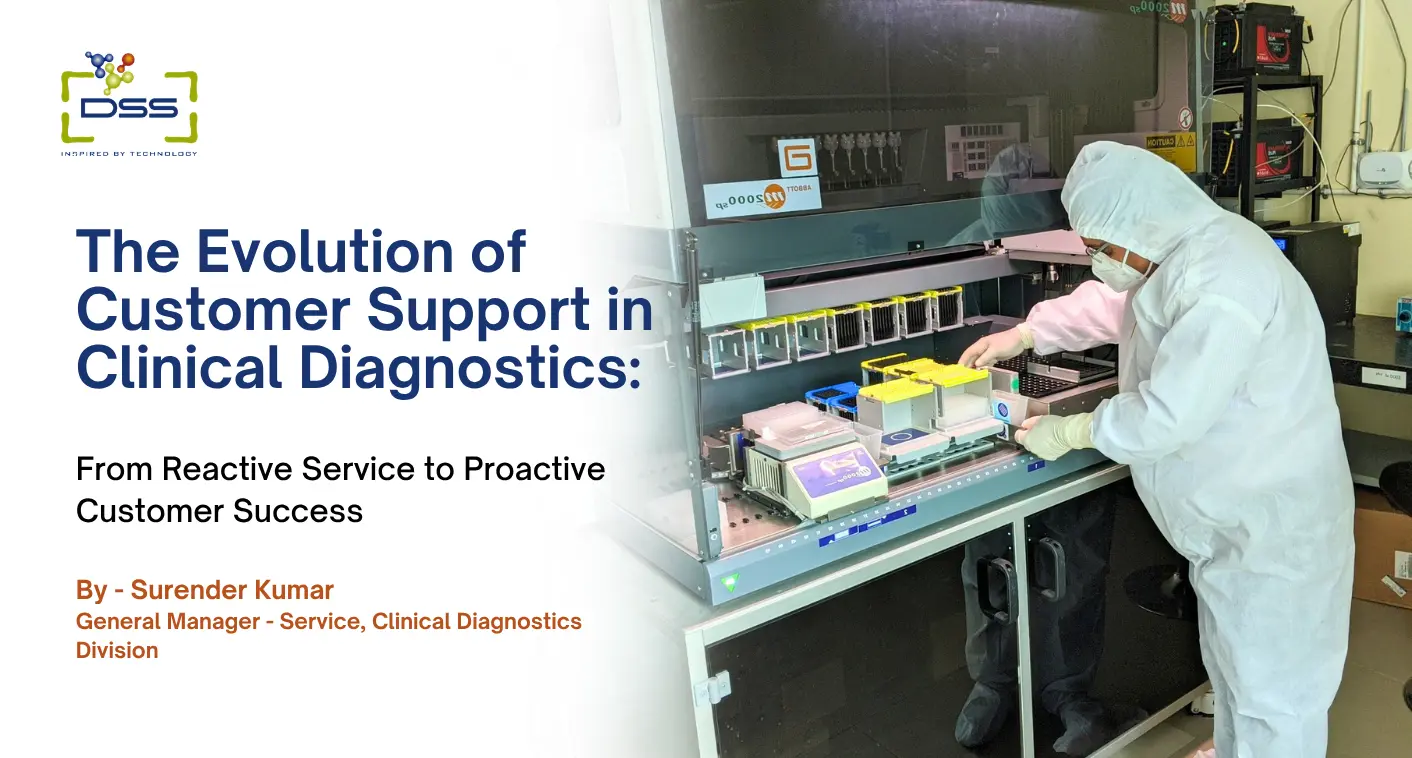
The Evolution of Customer Support in Clinical Diagnostics
BY Surender Kumar | General Manager – Service, Clinical Diagnostics Division 23rd July 2026
How Customer Expectations Have Changed Over the Last 20 Years “Customer Support is no longer a cost center—it is a competitive advantage.” Twenty years ago, customer support was primarily viewed...
Read More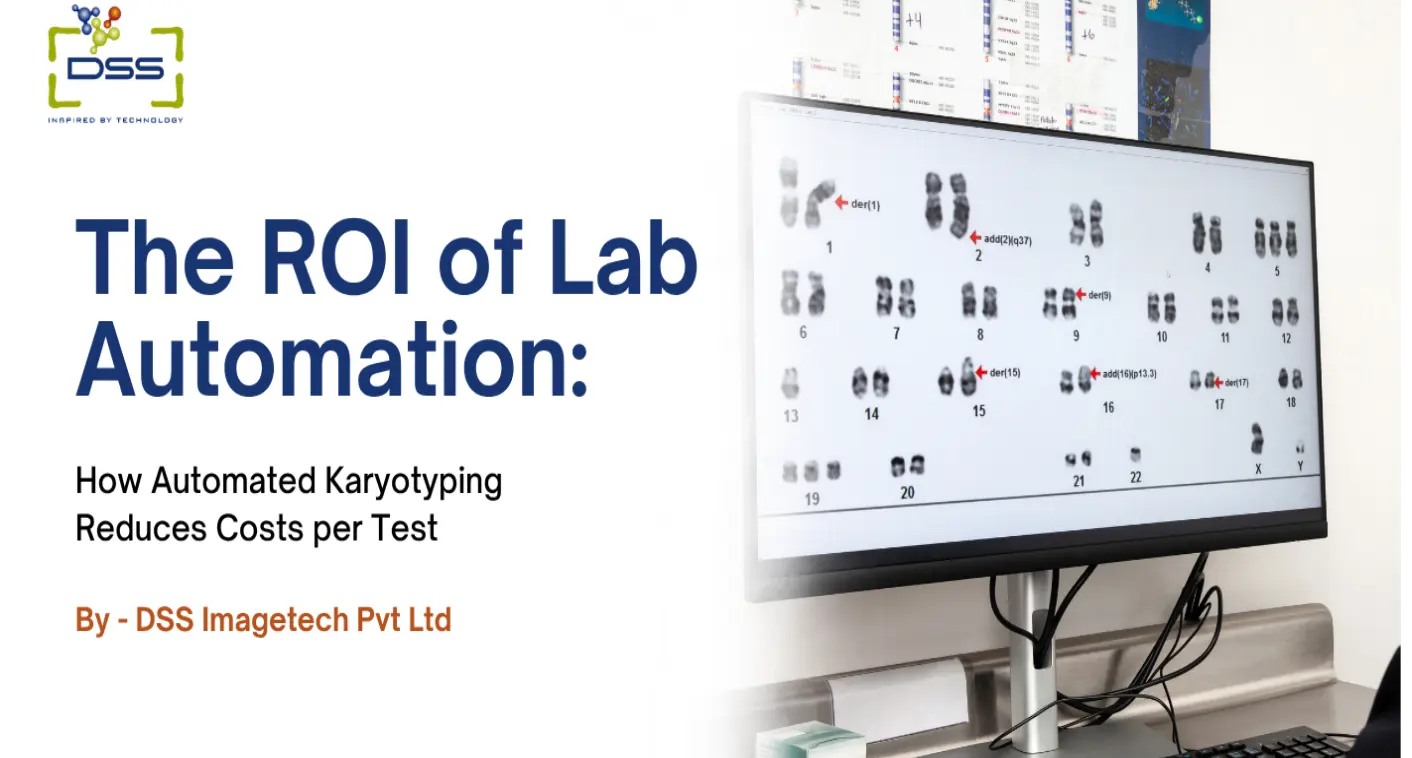
The ROI of Lab Automation: How Automated Karyotyping Reduces Costs...
BY DSS Imagetech 13th July 2026
If you walk into almost any cytogenetics lab across India right now, you’ll probably hear the exact same complaint. Lab directors are staring at their monthly numbers, calculating just how...
Read More